
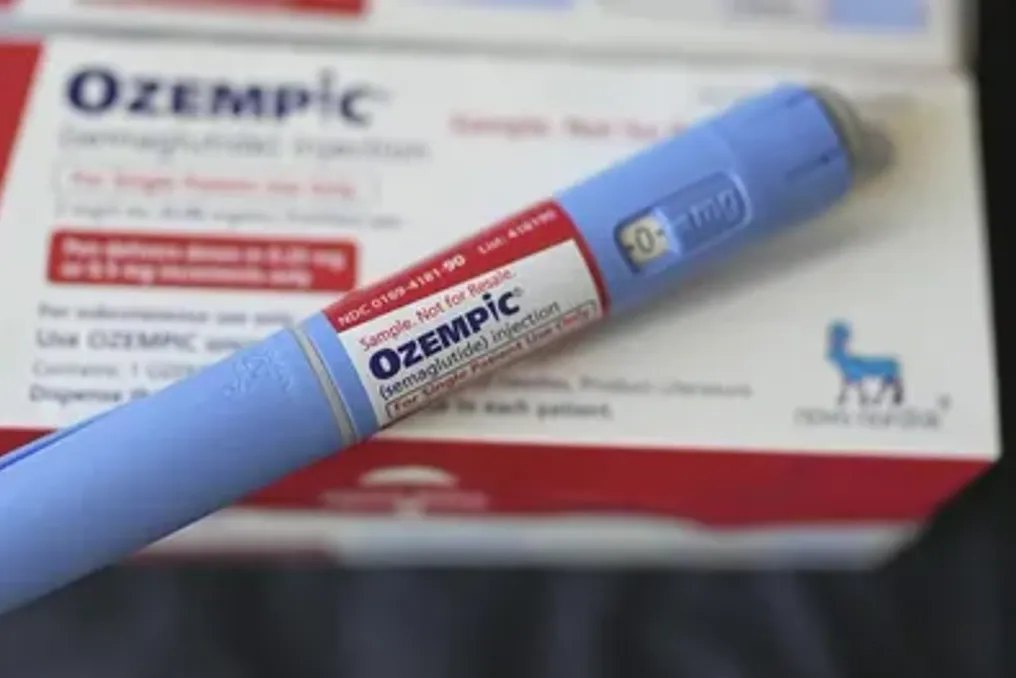
The market for injectable weight loss drugs in South Africa is undergoing significant changes. Medications such as Wegovy, Ozempic, and Mounjaro, which were initially used to treat diabetes, have transformed into some of the most sought-after prescription drugs in the country over the past two years.
Growth in Demand and Pressure on Healthcare Systems
Demand for these products has sharply increased, leading to a rise in private obesity treatment clinics and heightened interest driven by social media. Meanwhile, medical schemes are under pressure as they must decide on the funding of expensive medications.
Changes in the Injectable Market
Only this month, the first semaglutide generic appeared in South Africa, and plans are underway to release more affordable authorized versions of Ozempic. Furthermore, regulatory bodies have begun taking action against compounded products, and the number of applications for generic registration before the South African Health Products Regulatory Authority (SAHPRA) is growing.
For patients, this potentially means more affordable access to the drugs. However, for pharmaceutical companies, it signals the start of fierce price competition, and for regulators, it is a race to prevent unsafe counterfeits from entering the market.
Evolution of GLP-1 Drugs
GLP-1 class medications mimic hormones that regulate blood sugar levels and appetite, helping people feel fuller for longer and improving glucose control. Although originally developed for Type 2 diabetes, research showing their ability to cause weight loss has turned them into one of the fastest-growing global pharmaceutical markets.
South Africa has followed a similar path. Initially, Ozempic gained widespread recognition due to off-label use for obesity treatment, despite being registered only for Type 2 diabetes. Later, Wegovy, specifically designed for chronic weight management, entered the market, followed by the expanded availability of Eli Lilly's Mounjaro.
How Generics Can Change the Market
The most significant event in 2026 was the expiration of patent protection for several semaglutides in South Africa, opening the door for generic manufacturers. Recent developments include SAHPRA's approval of a semaglutide generic from the Indian company Sun Pharma, as well as Novo Nordisk's announcement of a cheaper authorized version of Ozempic called Extensior. SAHPRA has also confirmed it is reviewing 12 additional semaglutide applications from various manufacturers.
Experts suggest that increased competition usually leads to lower prices, although they caution that substantial cost reductions may take time while manufacturers establish supply chains and pharmacies agree on pricing.
Reasons for High Demand for Injections
Obesity specialists note that patient demand is driven by several factors: the rising rate of obesity, increasing awareness of obesity as a chronic disease rather than just a lifestyle issue, and the influence of celebrities and viral trends on social media. Additionally, there is growing evidence confirming that these drugs reduce cardiovascular risks alongside weight loss.
Barriers to Accessing Treatment
Despite numerous demand drivers, the main obstacle remains financial accessibility. Monthly treatment can cost several thousand rand, which is unaffordable for most South Africans. Most medical schemes provide limited reimbursement, often only when prescribing drugs for diabetes, not obesity. This restricts the market to patients with private insurance or wealthy individuals, while the vast majority of the population cannot access these treatments.
Health policy researchers argue that obesity drugs could eventually become an important part of the public healthcare system, but only with a sharp drop in prices.
Combating Compounded Drugs
Parallel to preparing legitimate generics, regulators have initiated strict measures against compounded GLP-1 drugs. Compounded drugs are individually prepared formulations created by pharmacists under specific circumstances. However, regulators believe that the commercial production of compounded semaglutide and tirzepatide goes beyond these legal limitations.
SAHPRA, in conjunction with the South African Pharmacists Board, ordered the withdrawal of compounded GLP-1 products, confiscated products containing semaglutide and tirzepatide, warned healthcare professionals about prescribing unregistered medicines, and began enforcement actions against companies producing compounded versions. Authorities state that patients cannot be certain that compounded products contain the correct active ingredient, dosage, or meet sterility standards. Manufacturers of some compounded products dispute these allegations, and legal proceedings are ongoing.
What Is Registered in South Africa
One source of confusion is that different drugs have different approved indications. As of July 2026, Ozempic is registered for Type 2 diabetes and is frequently prescribed off-label for weight loss. Wegovy is registered exclusively for chronic weight management. Mounjaro entered the South African market with diabetes-related approvals and recently received approval for chronic weight management. Saxenda is also an approved obesity treatment, though its daily injections are largely overshadowed by newer weekly medications.
SAHPRA constantly reminds patients that medications should only be used according to approved indications or under the supervision of qualified healthcare professionals.
Prospects for the Public Sector
Widespread availability through the public sector is currently unlikely. Even with generic competition, GLP-1 drugs are expected to remain more expensive than traditional obesity treatments for several years. It is anticipated that their integration into public healthcare will require significantly lower drug prices, convincing evidence of long-term cost savings, national obesity treatment guidelines, and funding within already constrained health budgets.
What Lies Ahead for the Market
Judging by the pace of recent events, the next 12 months could radically change the landscape of weight loss drugs in South Africa. Regulators emphasize that while demand for these medications is growing rapidly, prescriptions must be made through legitimate healthcare providers, and patients must avoid unregistered or illegally manufactured products sold online or through unofficial channels.