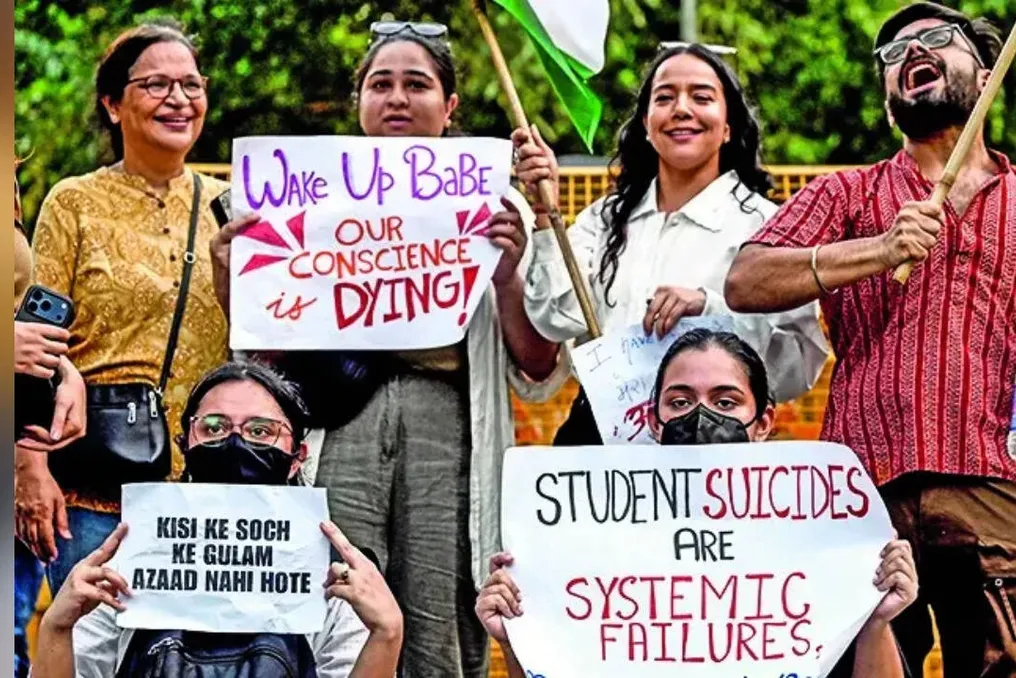
The Supreme Court expressed the opinion that 'non-standard thinking' is required to solve problems in the field of education, including the persistent issue of leaked examination materials.
Discussion on educational reforms
During the session, when the government informed the Supreme Court about the creation of a powerful commission for educational reform, the court emphasized the necessity of such an approach. Before the panel of judges, P. S. Narasimhi and Alok Aradhe, General Solicitor Tushar Mehta informed the court that the Prime Minister had announced the formation of a task force headed by former executive chairman of Infosys, Nandan Nilekani, to develop recommendations for structural changes.
Issues regarding examination procedures
The court considered a petition to transition the medical entrance exam to computer-based testing. Mehta requested the court to include and review the petition regarding the NEET material leak, which was scheduled for consideration on August 3rd. Postponing the hearing until August 3rd, the panel ruled that the government needs to study what additional protective measures are required for conducting online exams and ensuring data security.
Court's stance on system issues
Against the backdrop of youth protests against leaks and government demands for accountability and reforms, the Supreme Court noted on July 24th that the situational nature of the system is 'alarming' and cannot continue. The court assured that it would make 'additional efforts' to correct the problems and ensure the reliability of NEET. The panel stated: 'We are focused on institutionalization. That is the most important thing,' adding that it would monitor the process.