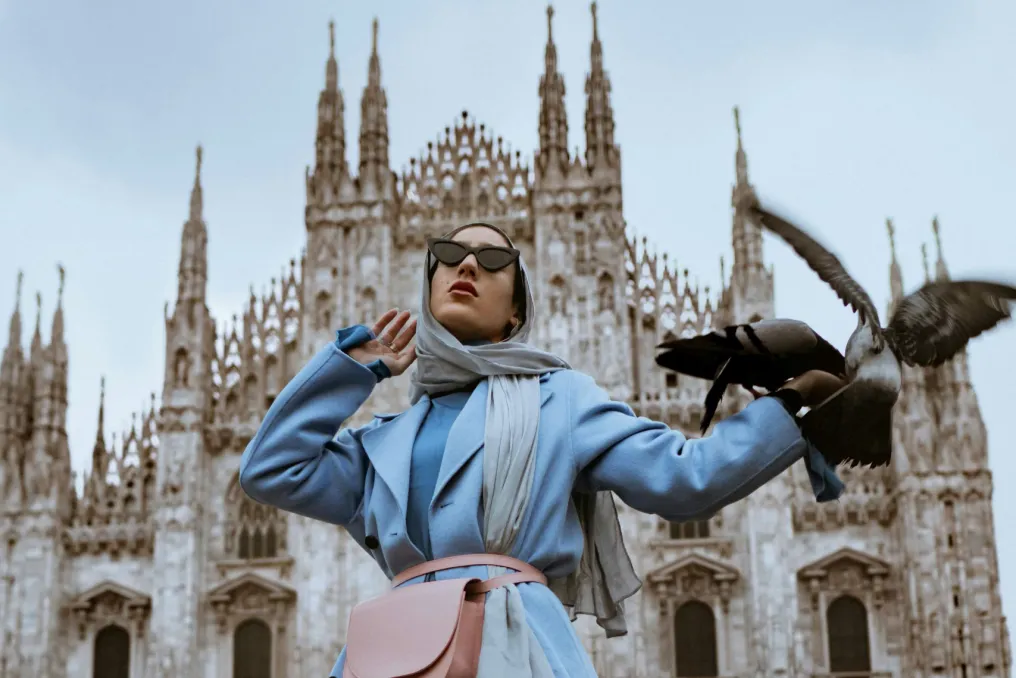
Fashion does not arise in a vacuum; it is shaped by the influence of climate, culture, craftsmanship, political conditions, and the daily rhythm of life. A walk through the streets of certain cities allows one to quickly realize that style is woven into the very fabric of that place.
From Parisian elegance to the fearless creativity of Tokyo—these directions have influenced how people dress for generations. Regardless of an interest in high fashion, traditional textiles, or modern street style, these locations offer a deeper understanding of why fashion looks the way it does today.
Paris: The Cradle of High Fashion
Few cities have shaped fashion as much as Paris. The French capital became the center of high fashion in the 19th century, largely thanks to Charles Frederick Worth, an Englishman born in England, who founded one of the first haute couture houses in Paris. His method of presenting seasonal collections forever changed the fashion industry.
Today, Paris remains synonymous with timeless elegance. Historic fashion houses, including Chanel, Dior, Louis Vuitton, Saint Laurent, and Hermès, continue to define global luxury, and Paris Fashion Week is considered one of the most influential events in the field. Tourists can explore the city's fashion heritage at the Galeries Lafayette, the Musée de la Mode de Paris, while strolling through legendary shopping streets such as Avenue Montaigne and Rue Saint-Honoré, or simply by observing people in areas like Le Marais, where impeccable Parisian style is displayed in full glory.
Milan: A Blend of Craftsmanship and Luxury
Italy has long been renowned for its exceptional craftsmanship, and nowhere is this more evident than in Milan. After World War II, Italian designers gained international recognition due to impeccable tailoring, premium fabrics, and beautifully crafted leather goods. Milan transformed into one of the world's leading fashion capitals, successfully combining understated sophistication with technical perfection.
The famous Quadrilatero della Moda, or Fashion Quadrilateral, is home to flagship boutiques of brands such as Prada, Gucci, Versace, and Armani. Even visitors not planning to shop will appreciate the stunning architecture of the Galleria Vittorio Emanuele II, often called one of the most beautiful shopping galleries in the world. Beyond luxury brands, Milan's fashion identity is deeply rooted in artisanal workshops, textile expertise, and a culture that values quality over excess.
Tokyo: The City That Breaks the Rules
Tokyo proves that fashion can be both deeply traditional and radically experimental. Neighborhoods like Harajuku became world-famous due to youth fashion movements that rejected mainstream trends in favor of self-expression. Styles emerged here, from Lolita and Decora to futuristic techwear, influencing designers worldwide.
Meanwhile, Japanese designers such as Rei Kawakubo, Yohji Yamamoto, and Issey Miyake challenged Western notions of tailoring by using sculptural silhouettes, innovative fabrics, and minimalist aesthetics. Visitors can experience Tokyo's contrasting fashion facets by exploring the colorful side streets of Harajuku, the glamorous boutiques of Omotesando, and the trendy shops of Shibuya. It is a city where fashion constantly redefines itself without losing touch with its cultural heritage.
Marrakech: A Festival of Color
For decades, Marrakech has inspired designers with its rich colors, intricate craftsmanship, and vibrant markets. Traditional Moroccan clothing, such as the caftan, showcases generations of embroidery, weaving, and tailoring techniques. The city's famous souks are filled with handmade textiles, leather goods, natural dyes, and elaborate beadwork that continues to influence contemporary fashion collections.
Perhaps no designer was as captivated by Marrakech as Yves Saint Laurent, who acquired the nearby Jardin Majorelle in 1980. Bright blue hues, warm earth tones, and botanical landscapes became recurring themes in his work. Today, travelers can visit the Yves Saint Laurent Museum before wandering through the medina, where centuries-old artisanal skills remain alive.
Antwerp: The City That Reimagined Fashion
Antwerp may not enjoy the same global recognition as Paris or Milan, but its influence on modern fashion is undeniable. The city's reputation transformed in the 1980s when six graduates of the Royal Academy of Fine Arts, later known as the 'Antwerp Six,' presented a bold new approach to fashion. Their experimental designs challenged traditional notions of beauty and established Antwerp as a center of creative innovation.
Today, the city continues to support emerging designers through its respected fashion academy and the MoMu Fashion Museum. Independent boutiques and concept stores scattered throughout the city reinforce Antwerp's reputation as one of Europe's most exciting destinations for contemporary design.
London: Where Rebellion Became Style
London's fashion identity has always balanced tradition and rebellion. Savile Row remains a global benchmark for bespoke tailoring, where generations of master tailors create meticulously crafted suits. However, just a few kilometers away, Carnaby Street and King's Road became symbols of youth culture during the 'Swinging Sixties' era, and later the birthplace of the British punk movement.
Designers, including Vivienne Westwood, helped transform anti-establishment fashion into an international movement, proving that clothing can be a powerful form of self-expression. Today, London's fashion scene remains one of the most diverse in the world, blending a heritage of craftsmanship with multicultural influence and cutting-edge design.
Copenhagen: The Birthplace of Scandinavian Style
In recent years, Copenhagen has become one of the most influential cities in the world of fashion due to its clean aesthetic and commitment to sustainable development principles. Instead of chasing fast-changing trends, Danish fashion prefers timeless silhouettes, neutral palettes, and functional clothing designed for longevity. Copenhagen Fashion Week has also become a global leader in promoting sustainable practices in fashion, introducing ambitious environmental requirements for participating brands.
Visitors will notice that the style here seems more practical than showy. Cycling through the city, locals effortlessly combine comfort, quality, and understated elegance.
Conclusion
Fashion tells the story of a place as much as its architecture, cuisine, or landscapes. From the haute couture salons of Paris and the artisan workshops of Milan to the colorful souks of Marrakech and the creative streets of Tokyo—each direction reflects the people, traditions, and history that have shaped its unique sense of style.
Traveling through these cities offers more than just a glimpse into what people wear. It reveals how culture influences creativity, how craftsmanship is preserved from generation to generation, and why some of the world's most iconic images continue to inspire long after they first appeared on the streets where they were born.