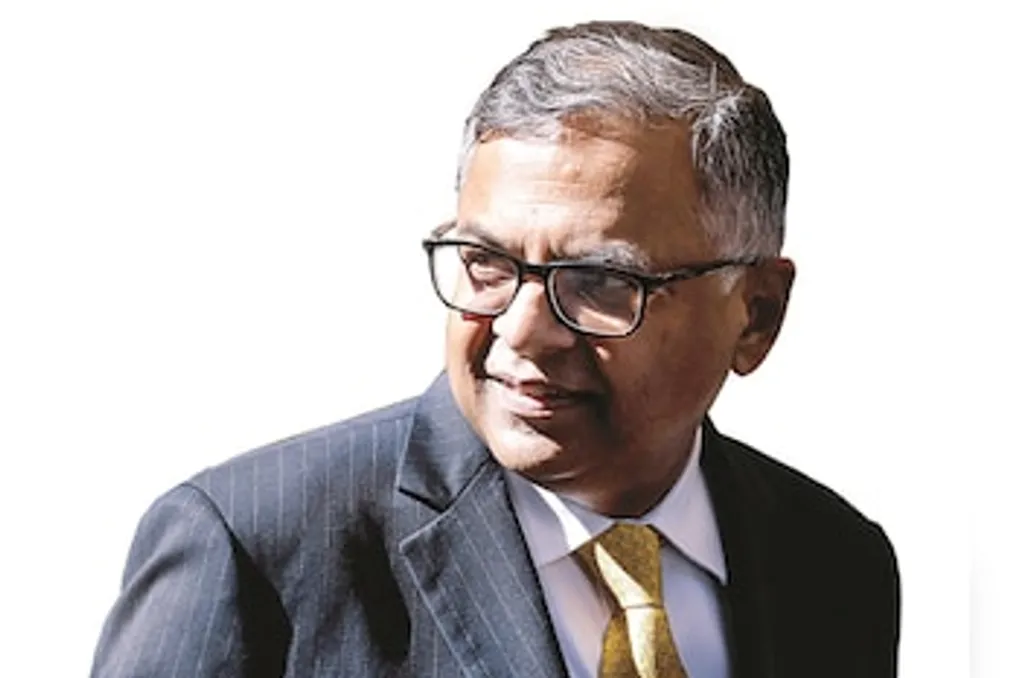
According to Tata Sons Chairman N. Chandrasekaran, the process of transforming the airline Air India is lengthy and will take five to ten years. He justified this by citing the need to overcome long-standing disruptions in the supply chains of key components, as well as the requirement for capital repairs of outdated systems, changes in corporate culture, fleet renewal, and the development of a large number of qualified aviation specialists.
Challenges and Progress of Transformation
Despite significant progress achieved, Chandrasekaran emphasized that any major airline is historically built over decades, not within a few quarters. In the fiscal year 2025-26, Air India faced three external challenges: airspace closures, rising fuel prices due to the Middle East conflict, and currency fluctuations, in addition to the AI171 flight incident, making this year one of the most difficult for the company. In his letter to the Tata Sons Annual Report for 2025-26, he noted that Air India teams demonstrated resilience and adaptability at every stage.
Strategic Goals and Development
Tata Sons took control of the loss-making Air India from the government in January 2022 and launched an ambitious transformation plan. Chandrasekaran expressed his belief in the future, noting that by 2047, on the centenary of Indian independence, an Indian citizen will fly on an Air India aircraft assembled using Indian components and chips, protected by Indian defense systems. He believes that the success of such institutional building transforms it into ordinary national life infrastructure.
As Air India Chairman, Chandrasekaran stressed that a country with a population of 1.4 billion and one of the world's fastest-growing economies deserves a world-class flagship carrier. He added that fleet renewal, staff training, service transformation, and network expansion are part of the long journey to revive Air India. According to data, narrow-body aircraft for domestic routes have undergone repairs and received positive customer feedback. The repair of wide-body aircraft is expected to be completed by the end of fiscal year '28. The Net Promoter Score (NPS) improved from -35 in FY23 to +42 in June 2026.
Financial Performance and Mission
In the fiscal year 2025-26, Air India's revenue decreased to 71,870 crore rupees from 78,636 crore rupees in the previous fiscal year. Air India's net loss was 15,367.75 crore rupees, while Air India Express's loss reached 6,767.29 crore rupees in the last fiscal year. The Air India Group includes Air India and Air India Express. The report also stated that the transformation of Air India aims to create a carrier that connects India with the world, provides jobs in aviation, tourism, and logistics, and turns India into a global aviation hub, rather than just a transit market.