Regional leaders emphasized that industrialization remains the most effective path to achieving economic transformation. This was the main message delivered on the opening day of the ninth annual Southern African Development Community (SADC) Industrialisation Week at the Durban ICC on Monday.
Opening of the SADC Industrialisation Week
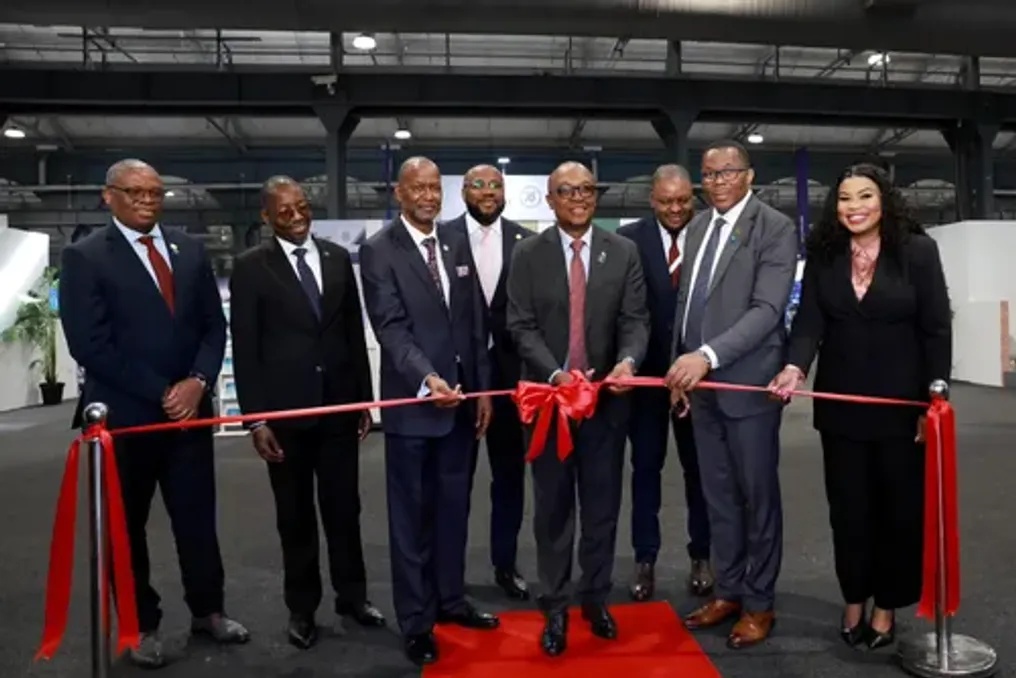
The week, which serves as the SADC's flagship platform for promoting regional industrial development, investment, and economic transformation, was officially opened by the mayor of eThekwini, Cyril Shaboe. The keynote speech was delivered by the Minister of Trade, Industry and Competition, Tau.
According to information from the eThekwini municipality, the current event focuses on strengthening regional trade, expanding production capacity, and creating sustainable jobs. The municipality noted that this event supports the implementation of the SADC Industrialisation Strategy and Roadmap for the period 2015–2063, which is based on three pillars: industrialisation, competitiveness, and regional integration.
Goals and Objectives of the Event
The city stated that the main goals of the week are to promote the SADC Industrialisation Strategy and Roadmap 2015–2063, centered around three areas: industrialisation, competitiveness, and regional integration. These objectives are planned to be achieved by empowering women and young entrepreneurs through innovation and digital transformation.
Mayor Shaboe expressed his honour in hosting this important gathering, calling Durban a strategic gateway to Africa and a city committed to stimulating regional industrialisation, investment, and economic growth.
Leaders' Views on Development
SADC Executive Secretary Elias Magosi noted that the week provides an opportunity to discuss the future of industrial development, stressing that talk about change alone does not lead to action. He stated that this platform allows for sharing experiences, forming effective partnerships, creating opportunities, and finding innovative solutions, as aspirations alone are insufficient for transformation; real implementation and creation of opportunities for industries and businesses are necessary.
Minister Tau asserted that industrialisation lays the foundation for increasing productivity, diversifying the economy, technological progress, and greater resilience to external shocks. He urged stakeholders to consider strategic vulnerabilities and focus on achieving measurable and visible results. Tau added that there is growing industrialisation and trade in the countries, and the focus of the SADC Industrialisation Week should be on addressing production capacity and logistics issues, anticipating increased industrial trade between SADC countries.
Infrastructure and Investment
Tau specifically highlighted the importance of resolving infrastructure issues for industrialisation, noting that this is critical not only for South Africa but for the entire SADC. He stressed the need to work on ports, roads, and railway networks, as trade is hindered without such infrastructure. Furthermore, Tau mentioned that the region needs to improve agricultural land and increase yields, and that the week is an important platform for dialogue between business and government to identify policy problems and their implementation.
Tau concluded that the outcomes of the SADC Industrialisation Week will be presented at the Sixth Ordinary Summit of Heads of State and Government of SADC, which will take place in Durban in August, contributing critically to the decision-making of heads of state.
Khulekani Mate, Chairman of the SADC Business Council and CEO of Business Unity South Africa, stated that businesses require confidence to invest. He emphasized that companies want to see a decent return on investment when building factories and facilities, so the region must be made attractive for investment and its openness declared. Mate reminded that SADC unites 16 countries, and the ability of these 16 countries to discuss the same issues allows for finding common solutions, and the ongoing discussion will help convey business problems to various SADC governments.