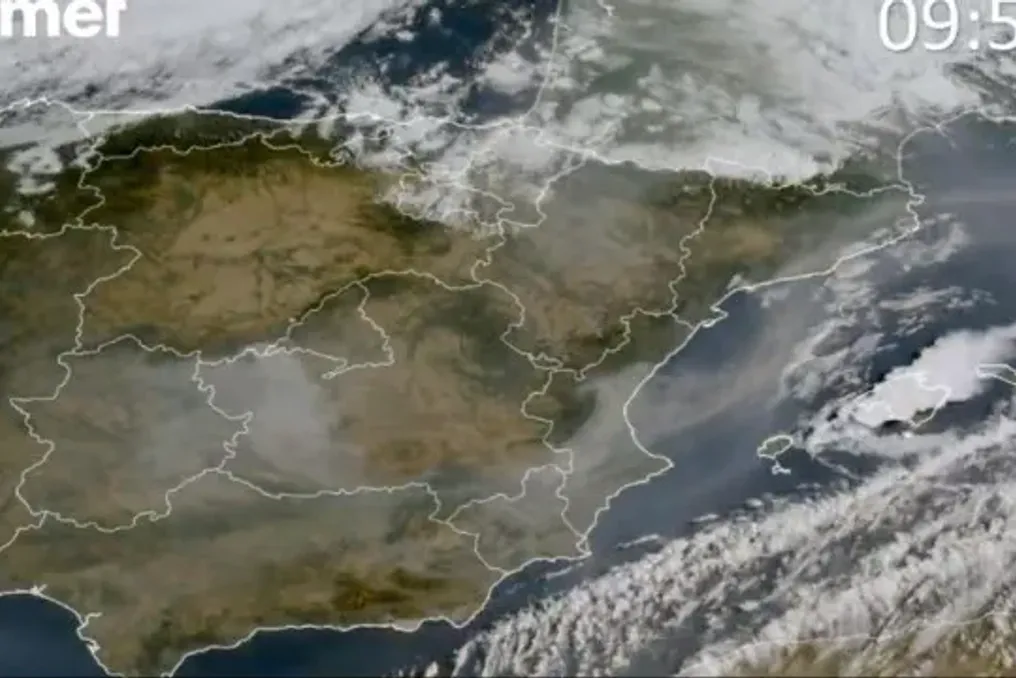
Smoke generated by active fires in the center of the Iberian Peninsula, in Spain, was detected by the Meteosat satellite, according to the State Meteorological Agency (Aemet) on Sunday.
Air Quality Impact
Aemet reported that the smoke consists of particles from combustion, which results in a degradation of air quality. For this reason, the population is advised to strictly follow the guidelines issued by health authorities.
Fire Situation in Madrid and Ávila
Although the fire hotspots in the Madrid area have shown a slowdown, and there has been a slight overnight and morning improvement in Ávila, Spanish authorities confirmed on Monday that there are still active fronts and points that require stabilization.
An update from the Delegation of the Government of Spain in the Community of Madrid indicated that the advance of the fires in that region decreased in recent hours, facilitating the intervention of firefighting resources. However, the focus in the western mountains of Madrid remains active and not fully controlled, presenting three fire fronts. Authorities reinforced the request for caution to residents, urging them to obtain information only from official and reliable sources.
Weather Conditions and Combat
Madrid authorities warned that wind forecasts, with gusts potentially reaching 30 kilometers per hour, will hinder extinction efforts this Monday, after the fronts were contained over the weekend.
Regarding the fire in the neighboring province of Ávila, the situation registered a slight improvement during the night and early morning, despite some scares caused by the wind and subsequent reignitions that were managed, according to official reports.
Largest Fire and National Emergency
Jorge LLorente warned that the Ávila fire, which consumed almost 50,000 hectares until the previous week and is classified by the Spanish government as the largest in the country's recent history, is a complex fire with many variables. He also requested that the population stay informed through institutional channels.
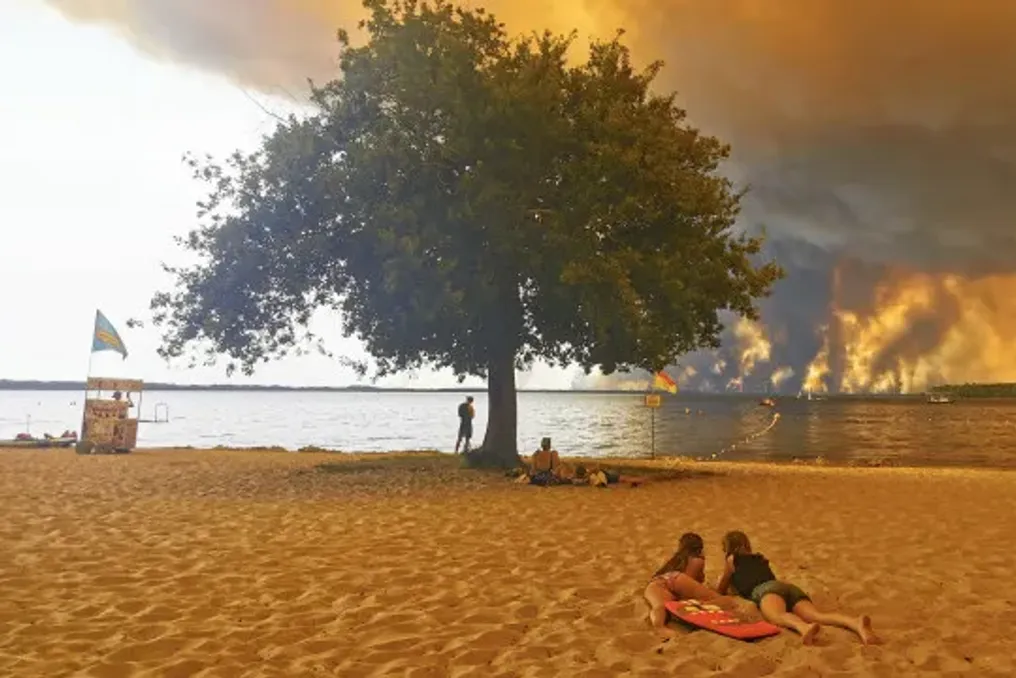
Due to the forest fires, Spain has declared a national state of emergency in the provinces of Madrid, Ávila, and Toledo, in the center of the country. These fires have resulted in the confinement or evacuation of more than 90,000 people since Thursday and have already burned 77,000 hectares. Additionally, outside these hotspots in Ávila, Madrid, and Toledo—which are being treated jointly because they are in adjacent territories—Spanish authorities are monitoring the evolution of a fire in Vall d'Uixó, Castellón, in the Valencian region, in the east of the country, which has already forced the departure of 18,000 residents and destroyed 6,500 hectares.
Coordination and Future Forecasts
The fight against the flames in Madrid, Ávila, and Toledo progressed positively over the last two nights and on Sunday, benefiting from better weather conditions. The Military Emergency Unit (UME) has coordinated the work on site, managing to contain the fire fronts over the weekend, although the hotspots remain active and under control.
However, the State Meteorological Agency (Aemet) warned that the risk of fires is expected to rise drastically starting Tuesday, reaching very high or extreme levels across most of the territory, due to rising temperatures and intense heat.