A Mattel employee, Matt Gabe, was pleased to see his personal vehicle, a Datsun Sports 2000, transformed into a Hot Wheels miniature, and he has now announced the model along with the replica.
A Mattel employee, Matt Gabe, was pleased to see his personal vehicle, a Datsun Sports 2000, transformed into a Hot Wheels miniature, and he has now announced the model along with the replica.
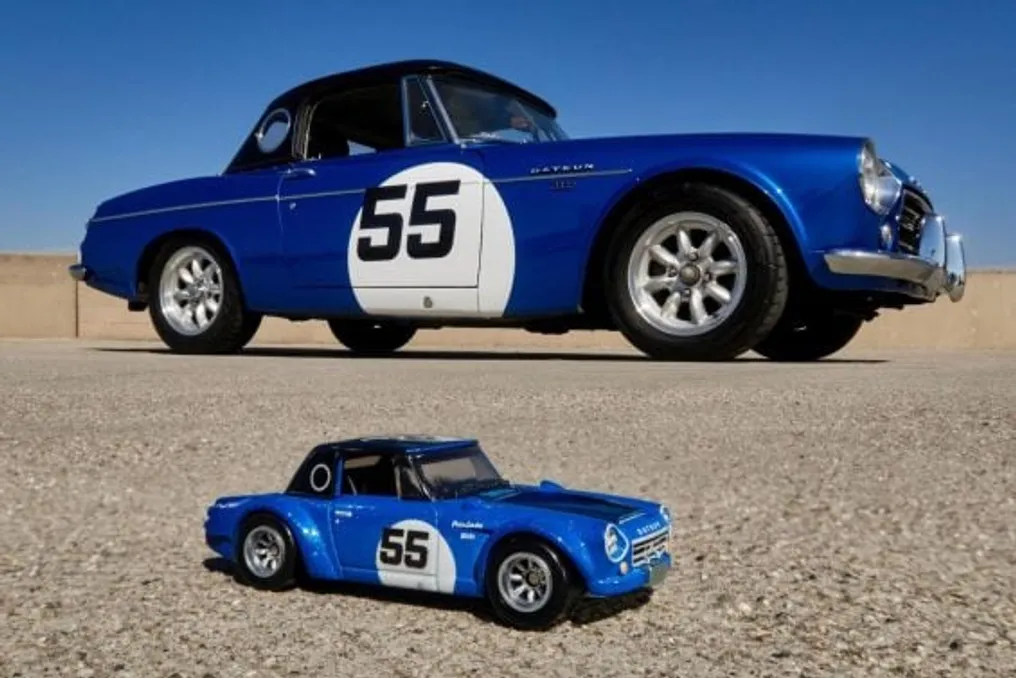
Enthusiasts often seek miniature models of their cars, but Matt Gabe obtained something even more special: his car inspired a Hot Wheels miniature. The owner works for Mattel, the company that owns Hot Wheels. In 2013, he decided to acquire an old and fun convertible, choosing the little-known 1967 Datsun Sports 2000.
This model served as a precursor to the 240Z and represented a Japanese option for British roadsters. Matt Gabe's example belongs to the first year of the last series, equipped with a 2.0L engine producing 137 hp and a five-speed transmission. The small blue roadster attracted attention in the Mattel parking lot, which led Gabe to be invited to participate in the Hot Wheels collector convention in 2024. He had the opportunity to select a car to be miniaturized and chose his own Datsun.
Since Hot Wheels already had a roadster body, the replication process was facilitated. The replica of Matt Gabe's Datsun Sports 2000 is part of the most detailed line, featuring wheels similar to the original model's Panasport wheels and rubber tires. A limited run of 4,000 units of the miniature was produced, which should already be highly sought after by collectors. The real car is being offered on the Cars and Bids auction website, and the buyer will receive the Hot Wheels along with the vehicle.
At the time of publication, bids reached US$10,000, which is equivalent to R$ 51,054 in direct conversion. Although this is a considerable amount for a miniature, it includes an authentic sports car.
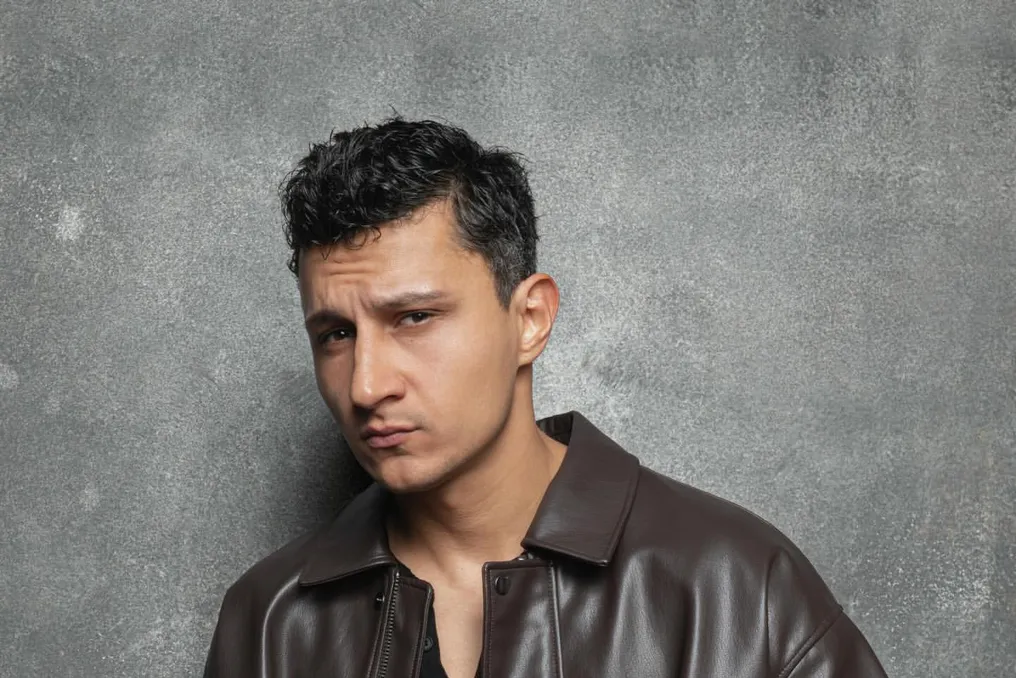
Turkish actor Alper Çankaya has officially secured his next television project after completing his two-season role as Şahin in the popular drama 'Uzak Şehir'. He has joined the cast of the series 'Sevdiğim Sensin', which is produced by Ay Yapım for Star TV, thereby strengthening the ensemble of the show that continues to air successfully on Thursdays.
Çankaya's move marks another collaboration with Ay Yapım, one of Turkey's leading production companies. During the summer, the actor also worked with this company on the upcoming Netflix series titled 'Eve Giden Yol', which will be directed by renowned filmmaker Onur Saylak. This project was filmed before his latest television casting and allowed him to work again with several well-known figures in the Turkish entertainment industry.
The announcement of Çankaya's appearance generated significant interest among viewers of 'Sevdiğim Sensin', as fans eagerly await to know what role he will play in the ongoing storyline. Although production has confirmed his participation, details about his character have not yet been officially revealed. This mystery has sparked numerous speculations in Turkish media regarding how his arrival might affect the future plotlines of the series.
Alper Çankaya became a familiar face to television audiences through his role as Şahin in 'Uzak Şehir', where he spent two seasons as one of the drama's key characters. His departure at the end of the season attracted considerable attention from fans, many of whom wondered about his next project. His transition to another high-profile project with Ay Yapım ensures that he remains a consistent presence on Turkish television.
'Sevdiğim Sensin' stars İtaç Şaşmaz and Helen Kandemir, with Hüseyin Avni Danyal, Deniz Işin, Cihat Suvarioğlu, Özlem Konker, Esra Ronabar, and Barış Bahtaş also participating in the cast. Since its premiere, the series has become one of the most-watched dramas on Star TV, consistently attracting attention due to its emotional narrative and acting ensemble.
For Çankaya, this step represents another important milestone in a busy year. Alongside his work on the Netflix series 'Eve Giden Yol', his involvement in 'Sevdiğim Sensin' demonstrates sustained demand for the actor following his successful performances in recent television productions. While the audience awaits further information about his character, his arrival is expected to add new dynamics to one of the most discussed Turkish dramas of the season.
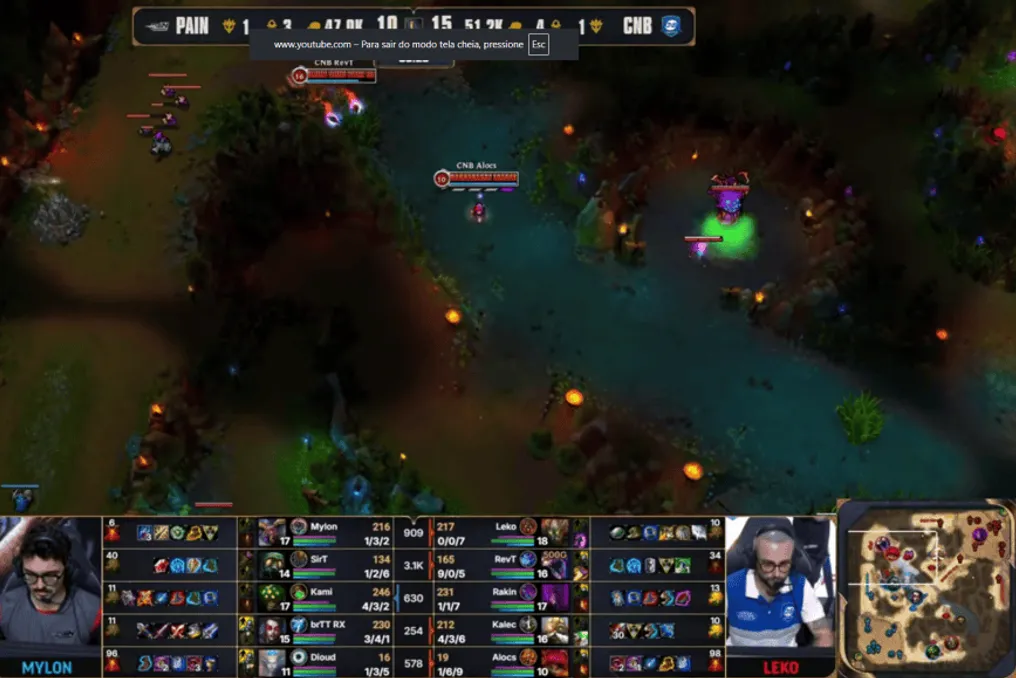
CBLOL resumed its second stage, bringing with it a strong sense of nostalgia, with the participation of teams like Pain Gaming and CNB, using historical lineups to relive memories from the early years of the Brazilian competitive scene.
Before the start of the official matches, the audience had access to a League of Legends Classic showmatch, bringing together paiN Legends and CNB Legends with their classic rosters. For those who started playing League of Legends in the 2010s, this event represented more than just entertainment, configuring itself as a true temporal retrospective.
The special broadcast revived old elements of the game, including the classic interface, the original logo, and the presence of iconic casters, recreating the atmosphere of the initial national championships.
For those unfamiliar, Riot Games plans to officially launch the LoL Classic mode on July 29 within League of Legends itself. This feature will allow players to revisit previous versions of the game, accessing runes, spells, items, and visuals characteristic of the game's beginnings, replicating part of the gameplay that defined the first years of the game.
A moment dedicated to veterans was reserved before the showmatch. Revolta and brTT, prominent figures in CBLOL history, debated their trajectories, recalled important moments, and gave opinions on the current state of the competitive scene. When discussing the new crop, Revolta pointed out Tatu as a player who catches his attention, while brTT mentioned Ayu and Rabelo, adding casually that 'there is still room for improvement'.
This meeting symbolized the union between past experience and the present, with the most experienced athletes recognizing the talent of the new generation. Subsequently, the highly anticipated showmatch took place, and CNB Legends prevailed over paiN Legends after 35 minutes of dispute, overcoming a team that boasted the 2015 Brazilian champion lineup.
After the match, the competitors shared stories from the competitive era, turning the interview into an animated conversation, generating laughter among both the present audience and online viewers.
Another highlight was the individual matchup (x1) between Kami and Takeshi, two of the most notable mid laners in CBLOL history. The proposed challenge was to definitively resolve the community's question about who would be the best mid laner in Brazil. In the end, Kami achieved victory using Soraka, a character usually played in the support role, while Takeshi participated in the joke, once again accepting the nickname 'eternal runner-up'.
After Saturday's nostalgic atmosphere, the competition returned to the 2026 calendar with the current teams. The finalists from the first stage kicked off the round, with LOS defeating FURIA 2 to 0. Another highlight was the classic between paiN Gaming and LOUD, which ended 2 to 1 for LOUD.
On Sunday, Fluxo W7M surpassed Leviatán 2 to 0, and Vivo Keyd Stars defeated RED Canids in an exciting series, winning 2 to 1.
The return of CBLOL demonstrates that the Brazilian competitive scene remains focused on the future, while keeping alive the memory of those who contributed to building this trajectory. The first week of the second stage pleased both newcomers and fans who were happy to see names that defined a generation.
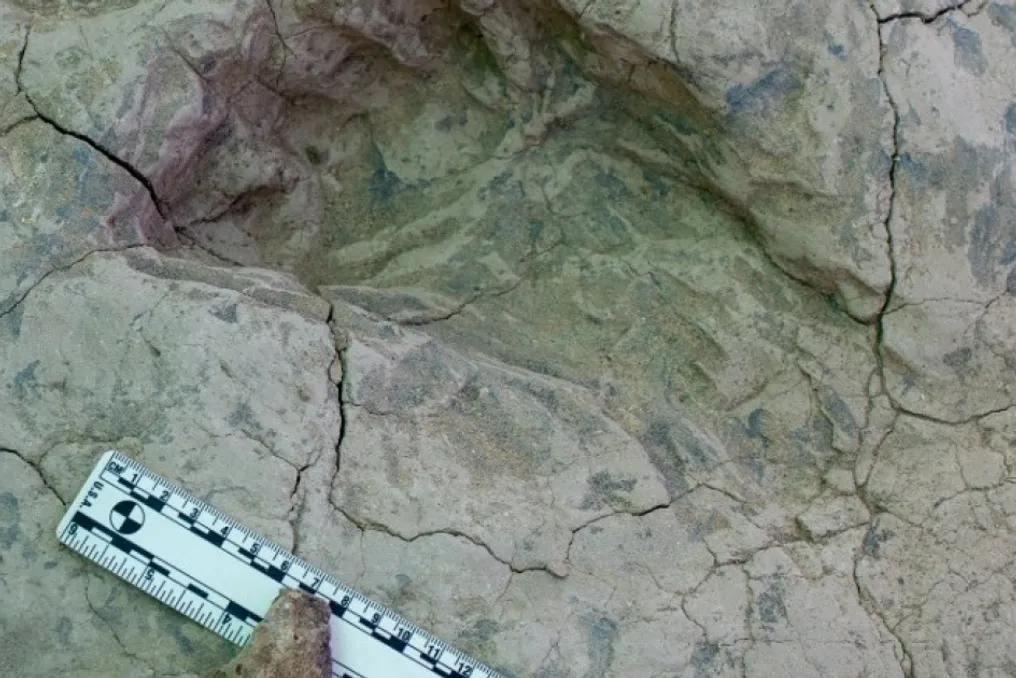
Researchers studying 21 tracks left by ancient hominins in the Kenyan area of Koobi Fora have determined that these footprints were made by Paranthropus boisei. These hominins inhabited the region at the same time as bipedal humans.
According to scientists' calculations, the size and weight of these massive Australopithecines from Koobi Fora significantly exceeded the indicators determined based on the bones of representatives of this species. The research results were presented in the journal Proceedings of the National Academy of Sciences.
Recently, there has been a growing number of studies dedicated to the footprints of ancient hominins, which are sometimes preserved for millions of years. The most famous similar finds are associated with Tanzania, where numerous foot and paw prints belonging to presumed ancestors of Homo—Afar Australopithecus (Australopithecus afarensis) and other hominins who walked through volcanic ash about 3.66 million years ago—were discovered in Laetoli back in the 1970s.
Analysis of the Laetoli tracks showed that Afar Australopithecines, including Lucy, were already confidently walking upright. A more recent discovery concerned findings specifically from the Kenyan formation of Koobi Fora. In 2024, an article was published reporting the presence of tracks of both bipedal humans (H. erectus) and Paranthropus boisei in one area, which presumably coexisted in East Africa about 1.5 million years ago, traversing the same territory within an interval of only a few hours or days.
Kevin Hatale from Chatham University and the Max Planck Institute for Evolutionary Anthropology, together with colleagues from Kenya and the USA, shared data on further investigations in the Koobi Fora formation, but in another location—GaJi10. Initial small excavations were conducted in this section in 1978–1979, resulting in the discovery of seven ancient hominin tracks and 82 paw prints of other animals, including birds and large horned animals, as well as hippos. Additional excavations carried out in 2016 and 2023 allowed for the discovery of another 14 hominin tracks and numerous prints of other creatures.
According to the authors, two of the seven hominin tracks recorded in the 1970s were damaged, but they were carefully documented with photographs and casts. Ultimately, scientists analyzed all 21 tracks and concluded that they likely belonged to eight different individuals. The characteristics of the prints indicate that they are probably the tracks of Paranthropus boisei, who lived in this area approximately 1.43 million years ago.
A deeper analysis of the tracks led to unexpected conclusions. If these tracks truly belonged to Paranthropus, calculations showed that several large individuals, presumably males, moved slowly along the bank of an ancient lake at a speed of about one to two kilometers per hour. This suggests a social structure for these hominins, implying peaceful coexistence of males in one group.
The most striking finding was the comparison of the estimated height and body mass of these individuals with data obtained from bones. The authors refer to 2017 statistics, according to which the average height of known Paranthropus boisei at that time was 131.1 centimeters (ranging from 116 to 161.3 centimeters). However, estimates made from the Koobi Fora tracks ranged from 130.6 to 180.9 centimeters, with four individuals exceeding 161.3 centimeters. The average body mass of Paranthropus in the 2017 study was estimated at 36.6–52.5 kilograms (depending on the methodology). For the individuals from Koobi Fora, however, scientists calculated a weight between 39.8 and 74.6 kilograms, with six out of seven individuals exceeding 52.5 kilograms.
Despite the scientists' inclination to believe that Paranthropus boisei left the tracks 1.43 million years ago in Kenya, other versions were considered. The first hypothesis suggests that the tracks could belong to bipedal humans, which would imply variability in foot structure among members of the genus Homo, about which researchers currently have no data. The second alternative version is that another unknown paleoanthropological and archaeological species of ancient hominins existed in East Africa during that period, although this idea is considered least likely due to the well-studied nature of the region.
Other species of Paranthropus were also found in Southern Africa. Recently, a small representative of this genus was reported, whose bones were found in Swartkrans. This individual, P. robustus, lived between 2.3 and 1.7 million years ago, and its height apparently barely exceeded a meter, while its body mass was about 27 kilograms.