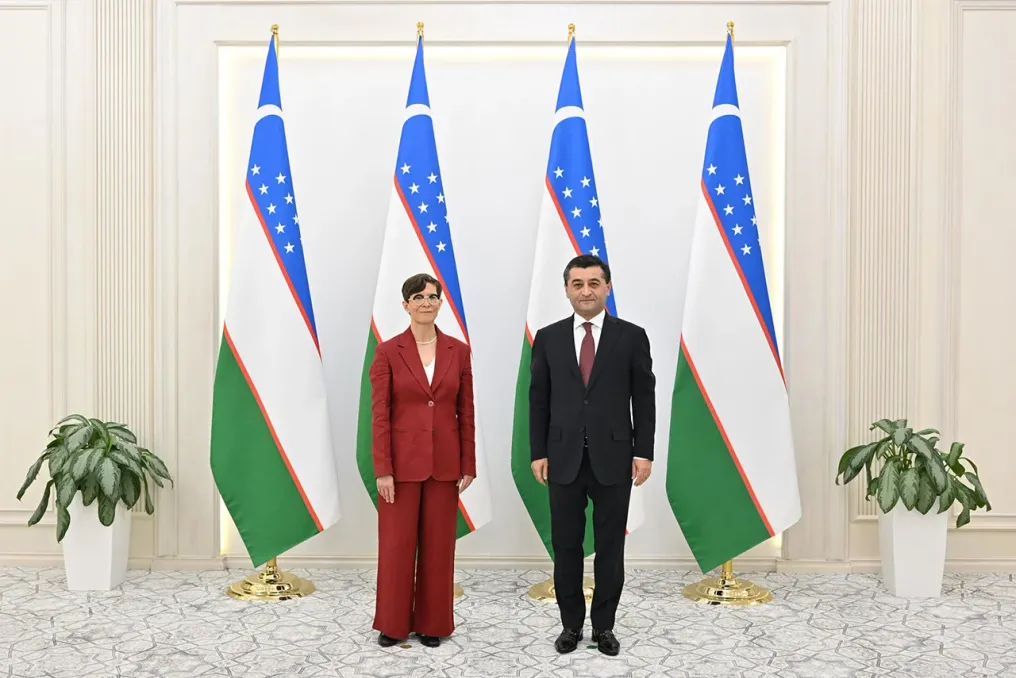
The Minister of Foreign Affairs of Uzbekistan, Bakhtiyor Saidov, met on July 7 with the founding documents of Johanna Maria Agren, the recently appointed Chargé d'Affaires of Finland in Uzbekistan.
The Minister of Foreign Affairs of Uzbekistan, Bakhtiyor Saidov, met on July 7 with the founding documents of Johanna Maria Agren, the recently appointed Chargé d'Affaires of Finland in Uzbekistan.
The parties noted that relations between Uzbekistan and Finland have become significantly more active in recent years. The importance of further increasing trade, economic, and investment interaction was emphasized.
Furthermore, the meeting participants focused on the need to establish direct contacts between the business communities of both countries. Bakhtiyor Saidov wished Agren success in her diplomatic activities and assured her of Uzbekistan's full support for her efforts to strengthen Uzbek-Finnish relations.
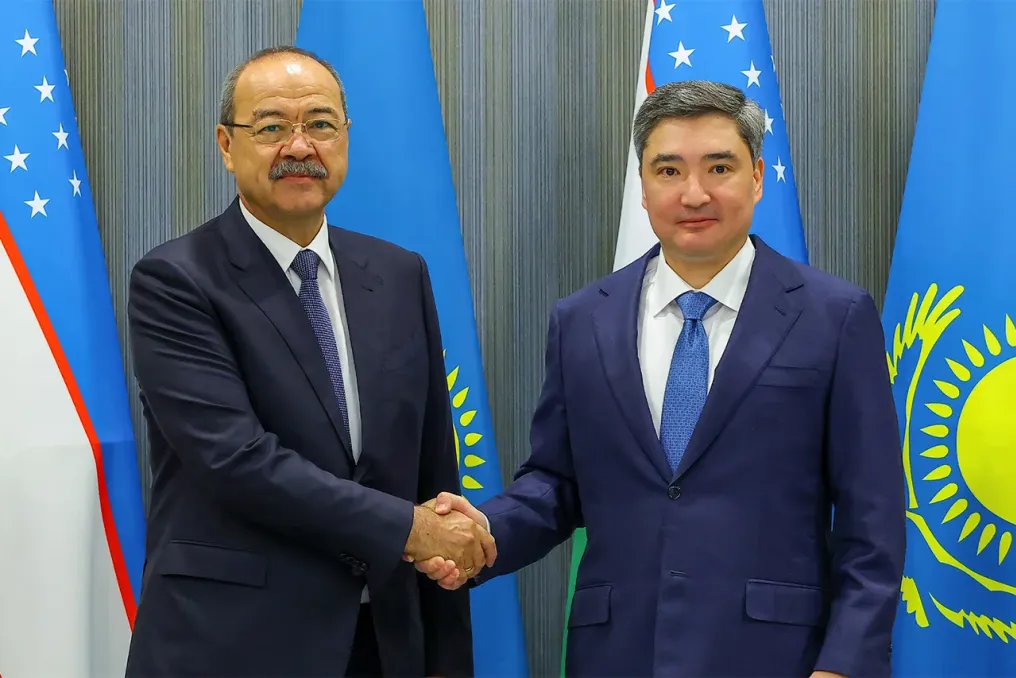
The First Minister of Uzbekistan, Abdullah Aripov, and the First Minister of Kazakhstan, Olzhas Bektenov, held the twenty-third meeting of the Joint Intergovernmental Commission on Bilateral Cooperation in Aktau. At this meeting, they reviewed the progress of previously reached high-level agreements and determined priority areas for further interaction, according to the press service of the Government of Kazakhstan.
According to Bektenov, cooperation between Kazakhstan and Uzbekistan continues to actively develop thanks to the political dialogue between the Presidents of Kazakhstan, Kassym-Jomart Tokayev, and the President of Uzbekistan, Shavkat Mirziyoyev. He noted that this process serves as an example for the entire Central Asian region. The results of the state visit of the President of Kazakhstan to Uzbekistan last November confirmed the high level of trust between the two states.
Aripov emphasized that the meetings of the leaders of the two countries in Bukhara, Astana, and Turkestan set concrete tasks for the governments to deepen cooperation. He expressed readiness to ensure the implementation of these tasks, noting that the negotiations will contribute to the development of trade, investment, industry, transport, interregional connections, as well as cultural and humanitarian relations.
According to data from the Kazakh side, bilateral trade reached a volume of 4.8 billion US dollars in 2025. Furthermore, from January to May 2026, trade turnover increased by 37% compared to the previous year, amounting to 2.3 billion US dollars. Participants focused on implementing the Roadmap for Investment and Trade, which is valued at 7.8 billion US dollars. Projects under this roadmap are designed to diversify trade, expand product supplies, and attract new investments.
Industrial cooperation became another important topic of discussion. Currently, both countries are working on 80 joint projects worth more than 1.8 billion US dollars. Of these, 15 projects worth 227 million US dollars have been completed, creating about 5,000 jobs. Six other projects worth 102 million US dollars are in the implementation stage, and 59 initiatives totaling 1.5 billion US dollars are under consideration.
The First Ministers also analyzed the state of transport routes and logistics corridors. Railway freight transport between the countries increased by 16% in 2025, reaching 32.3 million tons. To increase transport volumes, the parties developed a joint action plan aimed at increasing the capacity of railway corridors from 35 to 60 million tons. Kazakhstan proposed modernizing cross-border railway infrastructure and opening additional border crossing points.
The meeting also highlighted positive trends in the use of Kazakhstan's maritime infrastructure and the development of road transport. Participants reported that the introduction of the E-Permit electronic foreign permit exchange system has allowed the number of permits to increase more than tenfold over the past four years, while reducing border crossing time from nine hours to 30 minutes.
The sides reaffirmed their commitment to continuing cooperation in water resource management, taking into account the interests of both countries. They also stressed the importance of expanding cultural and humanitarian ties, including joint efforts to include historical and cultural sites of Kazakhstan and Uzbekistan in the transnational UNESCO nomination 'Great Silk Road: Fergana-Syr Darya Corridor.'
Following the expanded format of the meeting, the sides agreed to strengthen cooperation in industry, transport, transit, and other sectors of the economy. Aripov and Bektenov signed the protocol of the twenty-third meeting of the Joint Intergovernmental Commission on Bilateral Cooperation.
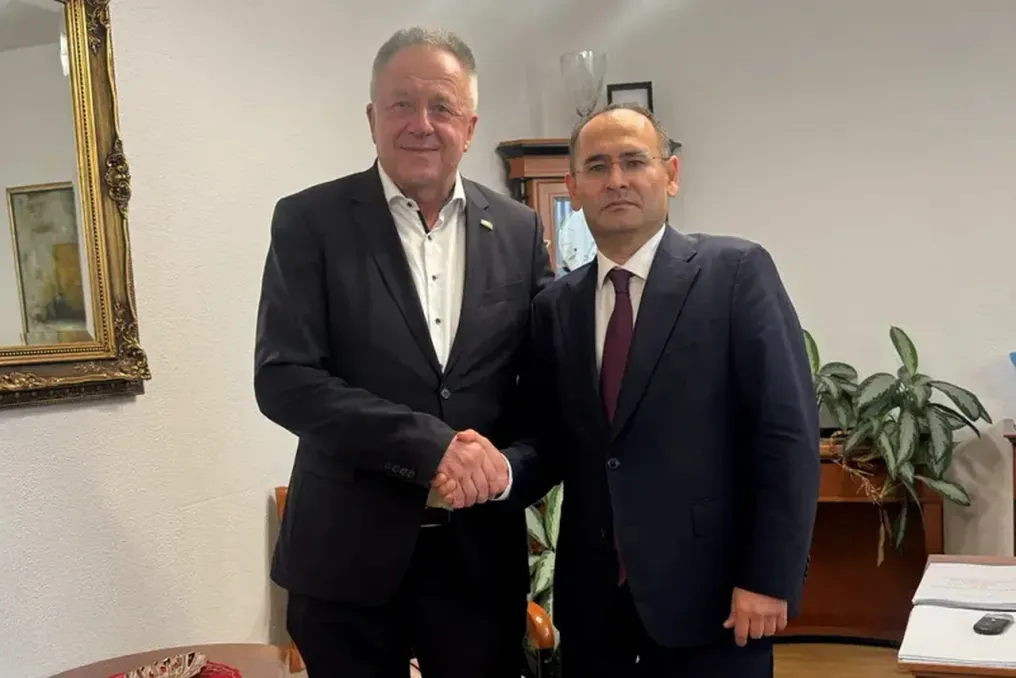
The Ambassador of Uzbekistan to Slovenia, Oibek Shahavdinov, held a meeting with the State Secretary in the Prime Minister's Office of Slovenia, Zdravko Počivalski. This was reported by the Dunyo Information Agency.
During the negotiations, the parties reviewed the current state and prospects for the further development of Uzbek-Slovenian interaction. The main focus was on trade, economic, and investment cooperation.
The diplomats also discussed issues of expanding direct ties between the business communities of the two countries, preparing joint projects, and promoting cooperation in promising sectors. At the end of the meeting, both sides confirmed their mutual commitment to strengthening Uzbek-Slovenian partnership and continuing practical dialogue to achieve common goals.
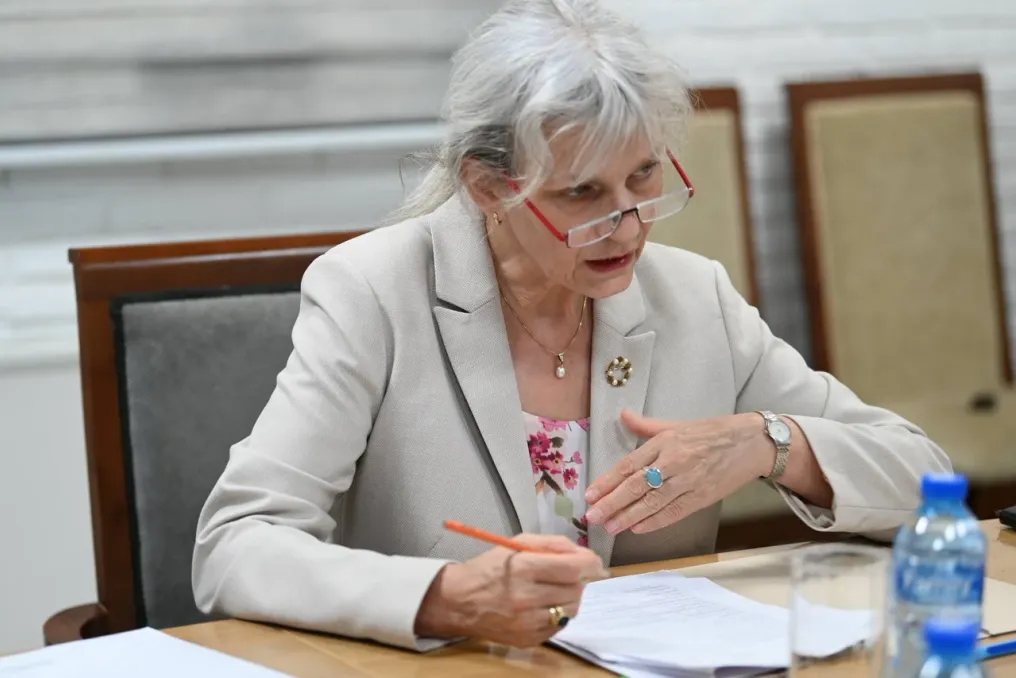
The Deputy Minister of Investments, Industry, and Trade of Uzbekistan, Akram Aliyev, met with the Deputy Ambassador of the Federal Republic of Germany in Uzbekistan, Marion Edel, on July 17, 2026, to discuss deepening bilateral economic partnership.
During the meeting, the parties reviewed the current state and future prospects of interaction in the fields of trade, investment, and technology.
It was noted that bilateral trade turnover increased by 13.2% in 2025, reaching a volume of 1.4 billion US dollars. The volume of German investments implemented in Uzbekistan amounted to 6.4 billion US dollars.
Participants also discussed preparations for the next round of intergovernmental negotiations between Uzbekistan and Germany on cooperation for development. At the end of the meeting, both sides confirmed their readiness to continue practical work aimed at further strengthening bilateral cooperation in agreed areas.