At an energy meeting on July 27, President Shavkat Mirziyoyev stated that there is a problem in Uzbekistan with the data transmission from more than 530 thousand gas and electricity meters.
At an energy meeting on July 27, President Shavkat Mirziyoyev stated that there is a problem in Uzbekistan with the data transmission from more than 530 thousand gas and electricity meters.
Specifically, 300 thousand gas meters and 234 thousand electricity meters installed in residential buildings are not transmitting information to automated metering systems. Despite the fact that the AMSKUE and AMSKUG systems were put into operation more than four years ago, over 534 thousand measuring devices are still either not connected to data transmission or are not functioning normally.
The head of state emphasized that this situation hinders accurate accounting of energy resource consumption and control over timely payment. Consequently, in certain regions, accounts receivable debt is not decreasing but is instead continuing to grow.
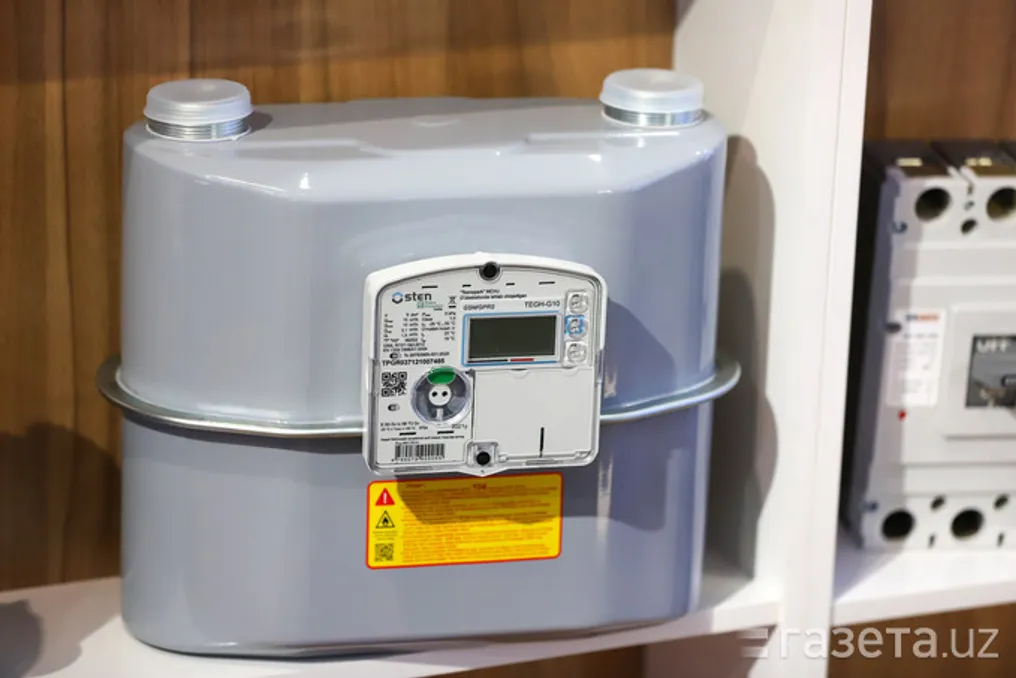
A correspondent for 'Gazeta' encountered a similar problem: his gas meter has not been transmitting data for over a year due to modem failure. In such cases, a gas service employee is forced to visit the house every two or three months to manually read the meters and enter the data into the system, after which the charges are calculated and payment for the used gas is made.
The employee's suggestion was to temporarily dismantle the meter for repair. However, implementing this plan requires finding a gas service specialist and a plumber who can temporarily connect the gas pipe directly to the stove. This process of installing and subsequently dismantling the temporary connection will incur additional costs for the consumer.
During the meeting, the president drew attention to the lack of clear calculations regarding the development of energy infrastructure by some regional heads. It was noted that power losses in the grid reach 17.2%, and 4.8 billion kilowatt-hours were lost in the last six months.
In several districts, including Andijan, as well as Asakinsky, Yangiabadsky, Kasansky, Kukdalinsky, Baysunsky, Altynsaysky, Kushtepinsky, Tashlaksky, Kushrabatsky, and Samarkandsky districts, the loss rate exceeds 25%. The president also stressed that some leaders interpret energy efficiency solely as the installation of solar panels, which leads to the misuse of funds if the building itself does not have high energy efficiency.
In 2024, the company 'Khududgazta'minot' informed that electronic gas meters may stop transmitting data due to communication problems or battery failure. However, the devices retain hourly and daily consumption data for 90 days, and once communication is restored, the information is automatically uploaded for recalculation. The company advises consumers to regularly check the meter readings against their personal account and to contact 1104 or the mahalla gas worker if discrepancies or balance stagnation are found.
Furthermore, 'Technopark', established by the Tashkent city hokimiyat, has been producing gas smart meters under the Osten brand since the beginning of 2020. According to 'Gazeta.uz', a supply of 3.54 million electronic gas meters worth 5.28 trillion soms (equivalent to approximately 507 million US dollars at the Central Bank exchange rate on December 1, 2021) was planned before July 2021.
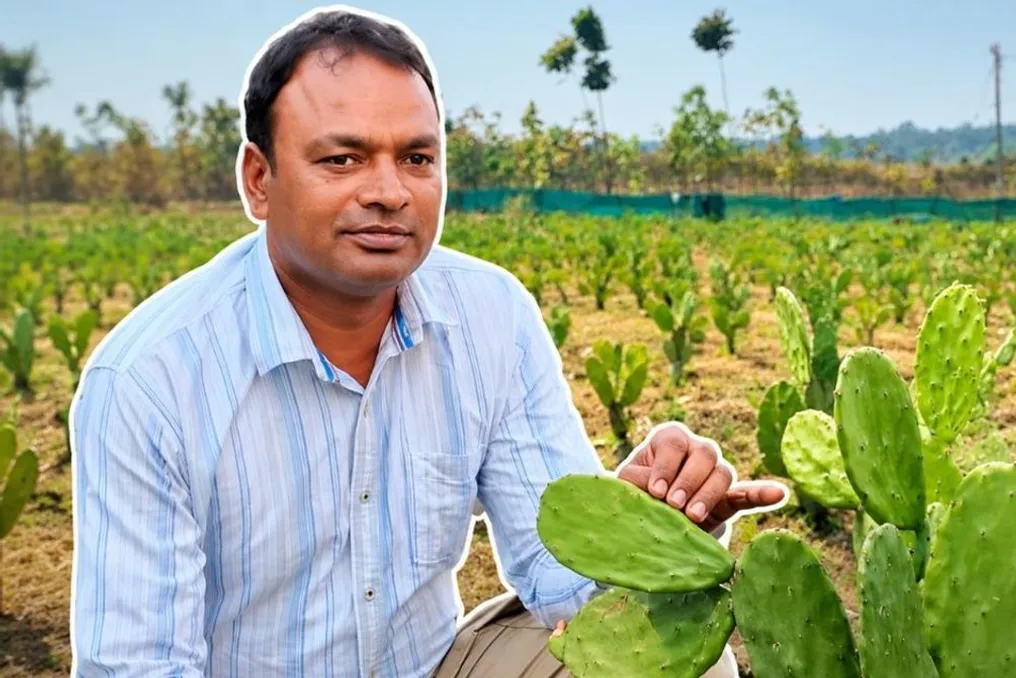
In 2020, a lush orchard covering 36 acres in Bichara village, Jharkhand state, featured one hundred litchi trees, three hundred mahogany trees, and nine hundred mango trees. This land was leased by 43-year-old farmer Chaitanya Kumar Gandhu, who aimed to establish a long-term enterprise.
Every square meter of the land had been meticulously restored to create a thriving garden. However, just three years later, before the trees could mature, everything was destroyed by fire. To this day, Gandhu does not know who caused the fire.
After the tragedy, he could not receive insurance compensation because no police officer agreed to register a complaint. Gandhu told The Better India: 'I had neither insurance nor any documents to support my claim, and I returned home with nothing.'
His agricultural activities began much earlier. In 2015, he planned to start producing lacquer, but limited resources forced him to change his plans. Instead, he started planting hosta trees, including 1200 Indian jujubes, which also perished in the devastating fire.
Gandhu now views this fire as a turning point. Having lost vast territory, he was compelled to rethink his possibilities. In 2024, while exploring new prospects, he learned about central and state government efforts to promote cactus cultivation. Following advice from a friend who is an engineer, he decided to consider growing spineless cacti.
Gandhu was interested because cactus gardening was an entirely new venture for him. During his research, he discovered that natural leather could be produced from the species Opuntia ficus-indica, which is a spineless cactus. He noted that their local cactus has spines, while this one does not.
To learn more, Gandhu spent weeks researching online before contacting the International Center for Agricultural Research in Dry Areas (ICARDA). He saw in the cactus not just an experimental crop. Unlike lacquer production, which yields income only twice a year, the cactus offered a more stable source of earnings. With government support, he approached the ICARDA center in Amlake, Madhya Pradesh, to understand how to begin.
What impressed him most was the cactus's resilience. The spineless cactus requires minimal water, remains green even in hot summers, and grows well in poor soils. Since it lacks spines, it can also be used as nutritious fodder for livestock.
Having confirmed the crop's potential, Gandhu purchased 10,000 cactus cladodes from ICARDA at a price of 10 rupees per unit. In November 2024, he planted them on an area of 2.5 acres in Gamharia Jaltanda, becoming the first farmer in Jharkhand to cultivate spineless cactus on this scale.
Today, his nursery is capable of producing nearly two hundred thousand cactus saplings annually. He cultivates 25 different varieties. Among them, the varieties Oretha de Elefante Africana, IPA-90-73, Copena V1, Mexica Folder-1278, and Additional-1258, sourced from Brazil, have performed particularly well. Each yields about 10 cladodes per year, compared to two or three from many other varieties. Slower-growing varieties, he says, are better suited for research than commercial cultivation.
A solar pump is used for irrigation. In summer, plants are watered every five to six days due to the low soil quality, while in cooler months, watering once every 15 days is usually sufficient. Cow dung is applied twice a year.
What started as an experiment soon turned into a business opportunity. Gandhu explains: 'The saplings are essentially cladodes. When I received an order for 30,000 saplings, I started pruning the mother plants, making them shorter. I spoke with Dr. Neha, who advised growing them in polyethylene bags. From one cladode, I managed to grow six to eight new saplings and fulfill the entire order.'
Each sapling takes about four months to grow in a polyethylene bag. To meet demand, Gandhu hired about 60 women from nearby villages to assist with the preparation and care of the saplings, creating an additional source of income for them.
He notes that the economics of the process are encouraging. One cladode costs him about 10 rupees. From this single cladode, he can grow six saplings, which together sell for approximately 60 rupees. Even after accounting for labor, polyethylene bags, soil, irrigation, and four months of care, he makes a profit of about 25 rupees per cladode.
The first year was mainly dedicated to recovering investments. He spent about 3 lakh rupees on purchasing planting material and earned almost the same amount through sales. He says: 'We reached the break-even point. Now the real profit will begin.'
Only last year did he sell about 30,000 cladodes and saplings at 10 rupees each, including transportation costs.
The cactus also serves another function on his farm. 'I feed my goats with them. In the summer, when grass becomes scarce, the spineless cactus is a good source of nutrition because it contains a lot of protein,' he says.
Gandhu believes the timing for starting was ideal. The Government of India has designated spineless cactus cultivation as one of the priority areas under the Viksit Bharat concept. A project to cultivate nearly two hundred thousand cactus plants over 400 hectares across various districts is planned in Jharkhand.
For Gandhu, this could create a significant opportunity. He asks with a smile: 'If such projects need saplings, where will they get them?' His goal is to become one of the state's key suppliers. Based on the number of available cladodes, he estimates he can produce nearly four lakh saplings, creating a business worth almost 40 lakh rupees and providing employment for many rural women.
Gandhu's success has already begun to influence neighboring farmers. Last July, about 15 farmers from Ranian village, located about 40 km away in Khunti district, visited his farm after hearing about the cultivation of spineless cactus. They took saplings and started planting them on their own land.
These farmers participate in the state's initiative to promote cactus, launched in 2025, under which ICARDA supports producers with free planting material, fertilizers, and land preparation assistance. According to Gandhu, about 40% of the participating farmers have successfully established their plantations.
He notes that the department encourages farmers to form cactus producer associations. Even people visiting his farm often take 10 or 12 saplings to plant. Slowly, people are beginning to look at the cactus in a new light.
Most people associate cacti with decorative pots or desert landscapes. However, the spineless cactus possesses much greater agricultural potential. Cacti are generally classified into ornamental, fruit-bearing, and fodder types. Among these, the spineless cactus has become one of the most promising crops because it is easy to manage and multi-functional.
Researchers often describe it using the '5F' principle: food, fodder, fuel, fertilizer, and fashion. In addition to providing nutritious feed for livestock, it can contribute to biogas production, organic fertilizers, and even bioleather, opening up new opportunities for farmers.
Dr. Neha Tiwari, a National Scientist at ICARDA, states: 'The most suitable variety is Opuntia ficus-indica, widely known as nopal or spineless cactus.' She adds that it adapts well to India's agro-climatic conditions, including plateau regions like Jharkhand. It tolerates drought, temperature fluctuations, and poor soil, making it ideal for rainfed and degraded lands.
In field conditions, plants can reach heights of six or seven feet, depending on the variety and cultivation methods. Unlike seasonal crops, the cactus does not have a fixed maturity period. Nevertheless, farmers can start harvesting cladodes approximately 10-12 months after planting, once the plant has strengthened and formed four or five healthy cladodes.
For Gandhu, the spineless cactus is not just a profitable crop. He believes it can help farmers utilize degraded lands more efficiently and open up new income streams. He emphasizes: 'Our local cactus has no commercial value because of its spines. But the spineless cactus can change that.'
He adds that the soil conditions in Jharkhand are similar to those in parts of Madhya Pradesh, Chhattisgarh, and West Bengal. If governments continue to promote it, many farmers could benefit.
Experts agree with this. According to Dr. Neha Tiwari, Opuntia ficus-indica is well-suited to Jharkhand's climate because it withstands drought, poor soil, and variable temperatures. Besides providing nutritious feed, the crop can be processed into biogas, organic fertilizer, and bioleather, and it can also contribute to carbon sequestration. Since it requires relatively little water and maintenance after rooting, researchers view it as a promising option for climate-resilient agriculture.
Initial investments are estimated at 80,000–1 lakh rupees per hectare, excluding fencing. However, since the crop remains productive for 15–20 years, long-term maintenance costs remain relatively low. For Gandhu, the biggest challenge is not cultivation, but market creation. He says: 'The biggest hurdle is finding buyers. Currently, most of the produce is sent to a processing plant in Uttar Pradesh. If there were a processing plant in Jharkhand itself, it would create jobs and increase farmers' income.'
Nevertheless, demand appears to be growing. ICARDA is collaborating with the Jharkhand government to promote spineless cactus cultivation by providing planting material and technical support. As more farmers adopt this crop and government projects expand, Gandhu hopes his nursery will become a key source of quality saplings across the state.
The formation of one of the largest stations on the Dubai Metro's Blue Line, located near Dragon Mart, is taking place more than twenty meters underground. Concrete walls have already been erected, the first tunnel has reached the station, and the giant Tunnel Boring Machine (TBM) has completed its first underground section spanning 1.2 kilometers.
During a media tour of the station, officials demonstrated the current construction progress, allowing visitors to see the underground station before it opens to passengers. During the visit, Khaleej Times inspected the underground station, where hundreds of workers were engaged in construction activities across various levels. The TBM has just entered the station after completing the initial boring section, and engineers reported that the next phase of excavation will proceed towards Al Warqa.
Currently, the station is an active construction site where workers are carrying out tasks such as earth removal, reinforcement, and structural strengthening on different tiers. Massive concrete columns and walls have already been installed on site, providing insight into how the station is taking shape. Steel rebar is visible in various sections, while cranes and heavy equipment continue to move construction materials. Although a significant amount of work remains, the basic structure of the future metro station is clearly visible.
Dragon Mart Station, also known as Chinese Market Station, will have a built-up area of approximately 39,480 sq. m. Around 580 workers are currently employed at the site.
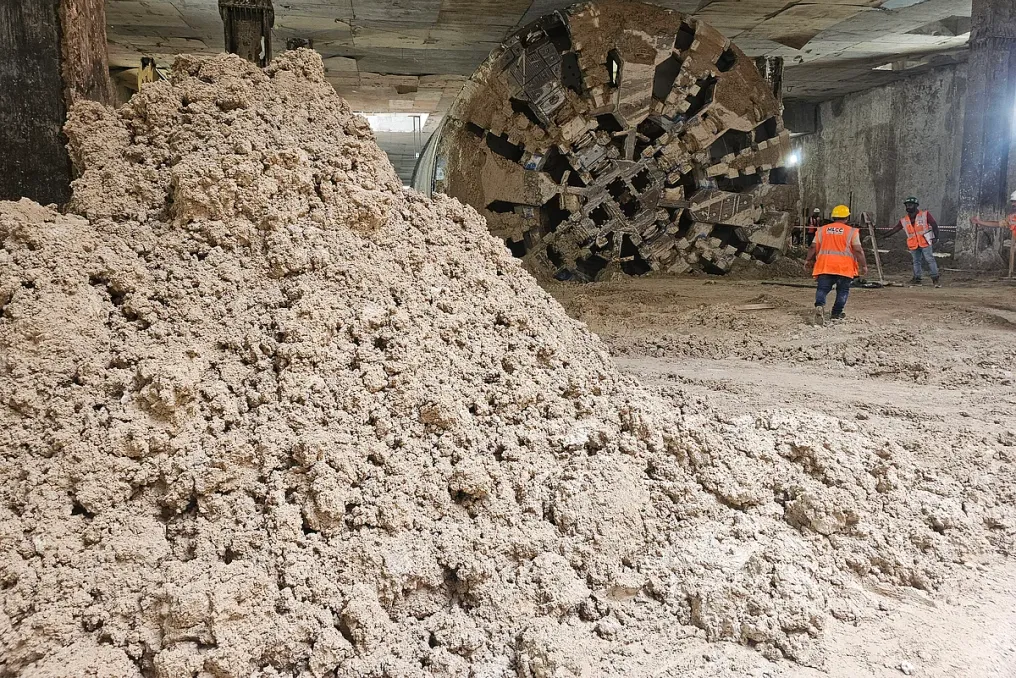
One of the main highlights of the visit was the Tunnel Boring Machine, which completed the boring of the first 1.2 km section before reaching the Dragon Mart station. The front part of the machine, known as the cutter head, is now visible inside the station. Behind it is the rest of the TBM, extending approximately 160 meters through the finished tunnel. Officials stated that the machine will continue its journey towards Al Warqa, where it will begin digging the next section of the Blue Line.
The completed tunnel will accommodate two metro lines, allowing train movement in both directions. The machine operates around the clock, stopping only on Sundays for scheduled maintenance. On most days, it advances by 13–17 meters, and on the fastest day, it achieved a boring rate of up to 30 meters.
Official representatives clarified that the machine is tunneling through the earth while simultaneously installing concrete segments behind it, enabling the tunnel to be built as excavation continues.
Construction is also actively underway at other Blue Line stations. International City 1 currently employs about 900 people, and International City 2 employs another 600 people. Adding the 580 workers at Dragon Mart, approximately 2,080 people are employed across the three construction sites. Work is proceeding simultaneously at all three locations as part of the Blue Line extension.
Although passengers will have to wait for the line to open, the project has reached a significant milestone under Dragon Mart. The first underground tunnel has reached the station, the station structure is being built, and the TBM is preparing to move further towards Al Warqa. For thousands of residents passing by Dragon Mart daily, much of this work remains hidden underground. However, beneath one of Dubai's busiest commercial hubs, the next metro line is steadily taking shape.
Various scientific and technological news items were presented in the Olhar Digital News broadcast on Tuesday, July 28th.
Brazilian scientists have determined that atmospheric rivers are responsible for nearly 80% of heat waves in the interior of Antarctica. This conclusion was presented by Professor Heitor Evangelista da Silva from Uerj at the 78th Annual SBPC Meeting. The discovery demonstrates how these moisture corridors transport heat from the tropics to the icy continent, accelerating ice melt and raising concerns about rising sea levels.
X has begun offering the X Money service to Premium and Premium+ subscribers in the United States. This aligns with Elon Musk's plan to transform the social network into a multifunctional application. This feature combines a digital wallet, a deposit account, and instant transfers between users, allowing financial transactions through the platform without limitations or fees.
Furthermore, WhatsApp announced the addition of voice and video calls to its web version. Users can now make calls directly through the browser, eliminating the need to install software on their computer. This update is being rolled out in phases and brings the browser's functionality closer to that of a desktop application.
NASA plans to return astronauts to the lunar surface in early 2028 and begin constructing a permanent research base on the object. According to the head of the American space agency, Jared Isaacman, the current priority is strengthening the human presence on the Moon, which has not been seen since the Apollo 17 mission in 1972.