
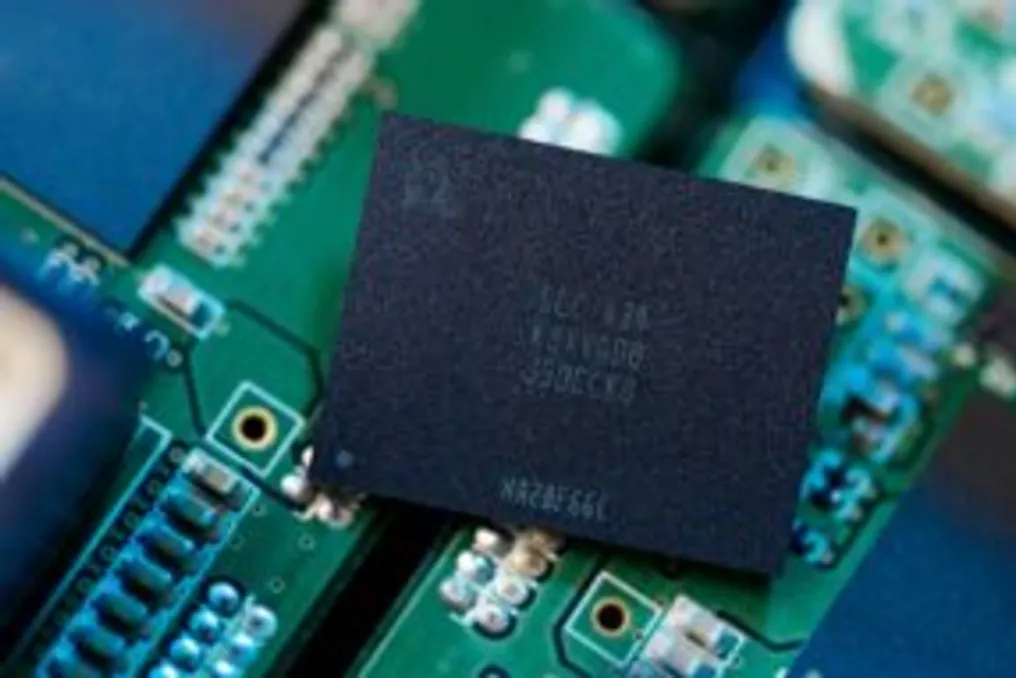
Samsung has established a working group focused on restructuring its DRAM memory production at the Hwaseong complex, known as H1. The goal is to increase manufacturing capacity by approximately 15% by the end of this year. This complex in South Korea was inactive after the company discontinued older LPDDR4 memory lines.
Production Reorganization
The freed-up space will be used to implement a new final phase of memory wafer production, as reported by the South Korean newspaper SE Daily. With this acceleration in product shipment, the company seeks to meet the growing demand from electronics sector clients, such as Apple, and prevent Western companies from advancing negotiations with new Chinese alternatives, especially CXMT.
Operational Centralization
Previously, Samsung's DRAM production was distributed across several units: initial processing occurred at Hwaseong Complex 1, while the final stage was carried out between Hwaseong Complex 2 and the Cheonan campus. This model generated greater dependence on internal logistics between cities and industrial hubs, which increased the total manufacturing time. The restructuring aims to concentrate all stages at the Hwaseong campus, an initiative led by Jun Young-hyun, head of Samsung's semiconductor division.
Market Pressure and Prices
This expansion effort takes place amid intense pressure in the global memory market, where the trio Samsung, SK Hynix, and Micron dominates. Due to the chip industry's priority given to artificial intelligence infrastructure, conventional DRAM memories have started trading at higher values in the basic electronics market.
A report by the consultancy Counterpoint Research indicated that the prices of these components rose by 80% to 90% at the beginning of 2026, compared to the end of the previous year. For the end consumer, this resulted in increases in devices such as notebooks, smartphones, and video games. Manufacturers like Dell, Lenovo, and Samsung had already announced the passing on of these costs to their products in 2026, a forecast that will extend until 2028. Furthermore, smartphone shipments reached their worst level since 2013, and Qualcomm, the producer of Snapdragon chips, anticipates another price adjustment that will further affect retail.
Rise of Chinese Competition
Supply shortages forced major companies, such as Apple, to consider acquiring memory from Chinese manufacturers, including CXMT. Reports from American press outlets indicate that the Cupertino giant sought permission from US authorities to use these components in devices outside the domestic market. However, Western players, such as Micron of the United States, expressed opposition to these movements related to CXMT's products.
CXMT, specializing in DRAM memory manufacturing, held its Initial Public Offering (IPO) on the Shanghai stock exchange the previous week, registering a rapid appreciation of about 470% in its shares. According to data from Counterpoint Research, cited by the AP News, the company is already part of China's plans to expand in the memory sector, projecting to capture about 8% of the market in 2025, with the potential to reach 11% by 2028.