The South African potato industry must move beyond mere production and focus on supply chain efficiency, data-driven decision-making, and meeting consumer needs to maintain its competitiveness. This was stated by delegates at the recent Potato SA Congress and the Seed Potato Producers Forum in Johannesburg.
Improving Product Flow
Speakers from various parts of the production chain noted that while South African farmers produce quality products, greater value can be achieved by improving the process of moving potatoes from farms to buyers and responding more quickly to changing consumer habits.
Steven Fink, a potato producer from Limpopo, emphasized that farmers have achieved high efficiency in harvesting and quick delivery, but bottlenecks further down the value chain limit growth. He noted that optimizing this part of the chain can stimulate higher product turnover, increase flow, and ultimately demand.
Sales and Demand Strategies
Peter van Zyl, Head of Procurement at Freshmark, reported that retailers possess an unparalleled understanding of consumer behavior, and producers should use this information for more careful planning of harvests and deliveries. Van Zyl explained that most potato purchases occur before the weekend, so producers should plan deliveries to distribution centers on Thursday and Friday when demand is highest.
He also advised reducing harvest and marketing volumes mid-month when demand typically drops, and increasing them towards the end of the month to match peak needs. According to Van Zyl, efficient logistics allows potatoes to reach store shelves in less than 48 hours after harvest.
Technology and Accessibility
Louis van Zeuner, former head of Absa, urged producers to embrace technological changes rather than fear them. He stated that the threat lies not in the change itself, but in the unwillingness to move with it. He added that artificial intelligence (AI) provides the ability to process the growing volume of available data to support better business decisions.
Meanwhile, Dr. Carmen Müller, a researcher at the University of Pretoria specializing in nutrition and consumer research, pointed out that potatoes play a critical role in South Africa's food security due to their year-round availability, nutritional value, and wide consumption. However, she warned that price volatility remains a serious obstacle for low-income households, as they will not buy the product if the price is higher than expected or unaffordable.
Sustainability and Product Quality
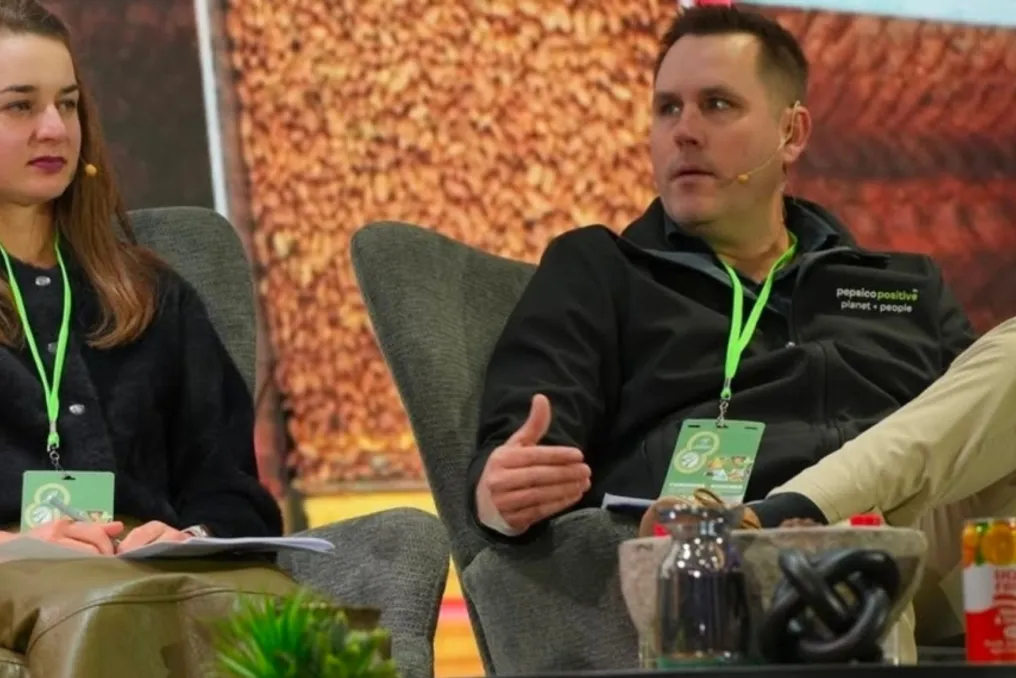
Steven Wolfardt, Head of Sustainability at PepsiCo, noted that consumers are increasingly interested in the food production process. He stressed that basic practices, such as fair labor practices, responsible chemical management, and water efficiency, must be implemented. He predicts that soil health will become the foundation of sustainable potato production.
Louis de Kok, founder of Nile.ag, believes that digital technologies and e-commerce can provide a more direct link between farmers and consumers, provided the solutions are adapted to South African conditions. De Kok emphasized that quality production remains paramount, not a strong social media presence. He also noted that many farmers focus on reducing resource costs, ignoring potential profits from effective marketing and choosing the right sales channels, believing that this is where the biggest opportunities for increasing profitability lie.