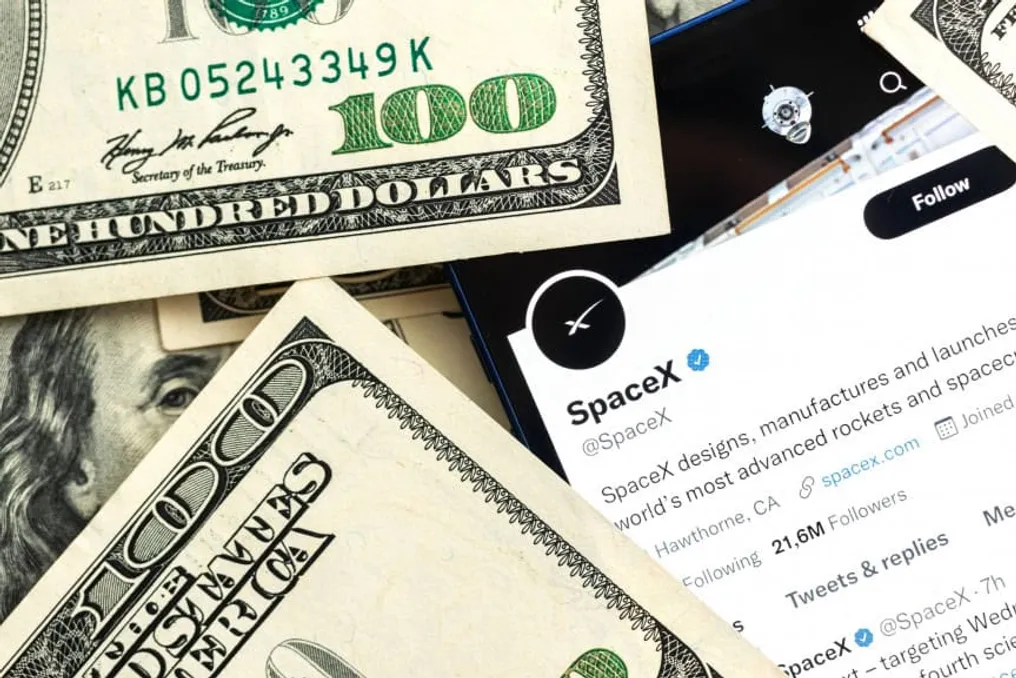
The initial enthusiasm following SpaceX's stock market debut quickly diminished, leading to a sharp devaluation of its shares, similar to what happened with Tesla. Investors, according to The Washington Post, began demanding tangible results to justify the investments made by Elon Musk in areas such as rockets, artificial intelligence, and robotics.
From Euphoria to Market Demands
A little over a month earlier, the outlook was one of great optimism. SpaceX executed a record IPO, with shares exceeding US$ 225 (approximately R$ 1,100) per unit, which allowed the entrepreneur to achieve the status of history's first trillionaire. However, the situation changed drastically: he saw his net worth decrease by hundreds of billions of dollars, losing the trillionaire title, while the company's stocks fell almost by half.
Tesla also suffered from this trend of losses. In just one week, the electric vehicle manufacturer registered a drop of over 18% in its market value after presenting disappointing results. Simultaneously, new uncertainties arose regarding the return on the company's investments in robotics and artificial intelligence.
In a post on the social network X, Musk commented on the moment with a humorous tone, using the expression '(Ex-)trillionaire.' For David Meier, a senior investment analyst at Motley Fool, the transition to a publicly traded company fundamentally altered the landscape. He explained that while it was private, the business decisions were not evaluated by a market; now, everything would be scrutinized and reflected in the stock price.
Starship and Operational Challenges
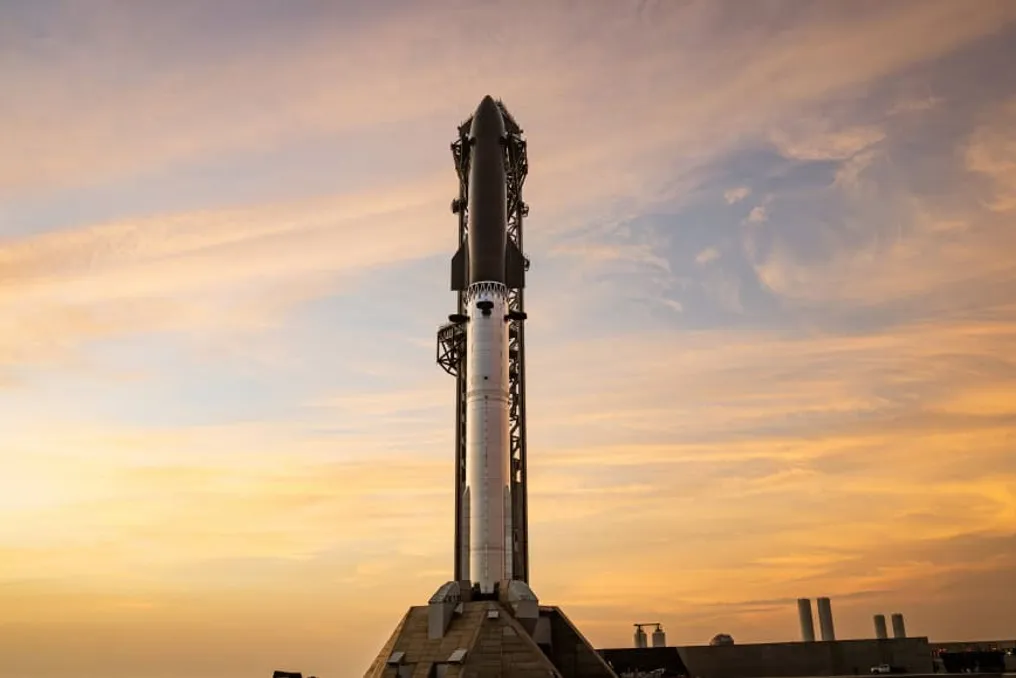
Market pressure manifested quickly. After a launch was canceled this month due to engine problems, SpaceX's shares suffered a sharp decline. This incident reignited doubts about the credibility of Starship, an essential component for future projects, such as lunar missions and space data centers.
Several factors contributed to the growing market apprehension, including the significant drop in shares immediately after the IPO, Starship's history of failures and delays, accumulated losses exceeding US$ 13 billion since 2023, and the urgent need to convert ambitious projects into financial profits.
Clayton Swope, deputy director of the Aerospace Security Project, compared the company's challenge to a monumental scale transformation: 'They have a very successful pickup truck for transporting things around the city. What they are trying to do now is replace that with a freight train.'
Tesla's Efforts to Reverse Perception
The pressure was not limited to SpaceX. Tesla is also trying to convince investors that the resources applied to humanoid robots and so-called 'physical AI' will bring significant returns. During a conference call, Elon Musk stated that the high investments are necessary to expand the core business and prepare the company for the future, expressing confidence that these efforts will result in notable returns.
The executive also mentioned being ill during the presentation and avoided commenting on a potential merger between Tesla and SpaceX, stating that any such decision must follow proper procedures. Analysts predict that SpaceX may continue to face volatility in the coming months, especially when former shareholders are released to sell their stakes. Until then, every launch, financial data point, and strategic move will need to be closely monitored by the market.