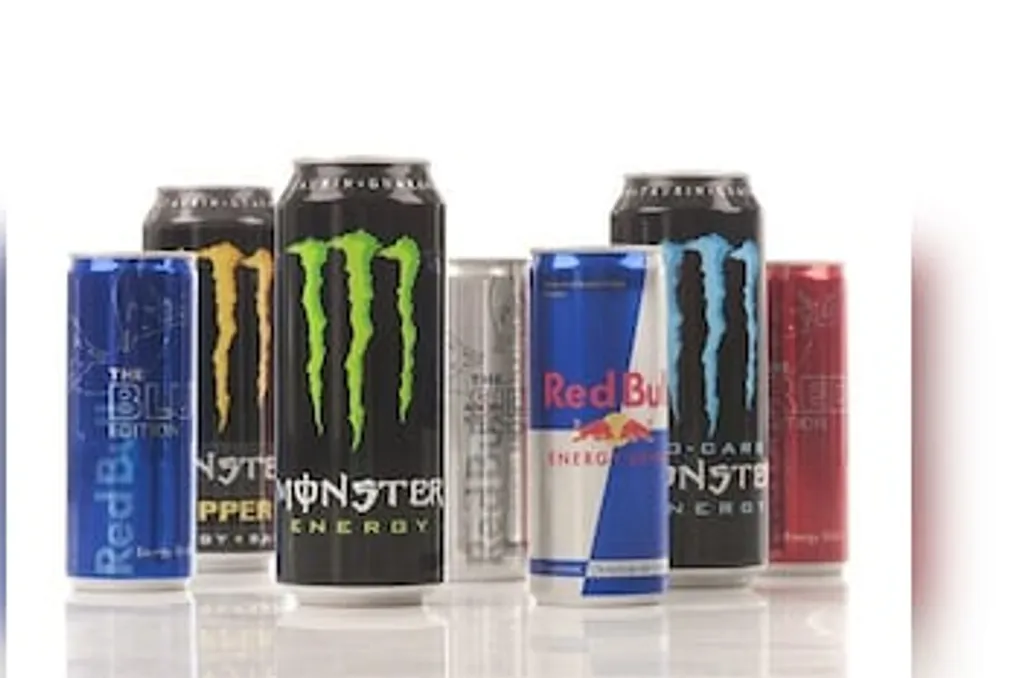
The Indian Food Safety Regulator (FSSAI) has insisted that manufacturers of high-caffeine beverages marketed as 'energy drinks' cease using such descriptions. The regulator rejected attempts to slow down intervention in the fast-growing market, which is projected to reach a value of $1.6 billion by 2028.
Regulator's Stance and Requirements
In early July, FSSAI published notifications on social media for companies, stating there were no standards for such products in India. Furthermore, the regulator deemed misleading claims that the drink 'strengthens body and mind' or can 'help with general weakness' as deceptive. Confidential documents revealed that the FSSAI's requirement was even stricter: Pepsi, Red Bull, Monster Beverage, Reliance Mukesh Ambani, and Hell Energy must abandon the designation 'energy drink' or any similar term.
Industry Reaction and Resolution
This move sparked opposition from companies concerned that removing the category could harm brands built on promises of instant energy and disrupt sales. At a closed meeting with industry leaders on Friday, FSSAI chief Rajit Punhani dismissed arguments about business impact, noting that companies could challenge the decision in court. However, an Indian government source reported that the industry agreed to comply with the labeling changes following Friday's discussions, and FSSAI granted them 90 days to meet the requirements.
Market Context and Concerns
Energy drinks raise concerns among some global regulators due to their high content of caffeine, sugar, and taurine. For instance, in England, the sale of high-caffeine energy drinks to persons under 16 will be banned starting next April, and in some regions of Pakistan, they must be labeled as 'stimulant drinks'. The business of this sector relies on marketing instant energy, as seen in the famous Red Bull slogan 'Gives You Wiiings' and the Pepsi Sting advertisement showing lightning bolts.
Association Protest and Consumer Experience
The Indian Drinks Association, representing major companies, stated its readiness to comply with the rules and engage constructively with regulators. Nevertheless, in a confidential letter dated July 6, FSSAI warned the association that public disclosure of preliminary notifications could damage reputation, disrupt operations, and mislead consumers, calling for a 'risk-based enforcement approach'. The association emphasized the need for a 'predictable, consultative, and transparent' system.
The energy drink market in India began growing rapidly after the launch of Pepsi Sting in 2017. Its 20 rupee plastic bottles became popular among youth aged 15–19 and in rural areas. Retail sales are projected to reach $1.6 billion by 2028, demonstrating an annual growth rate of 12.6%, faster than in the US and China. A young mechanic from Uttar Pradesh state, who consumes Sting and Campa Energy, noted that he feels dependent on these drinks.
Implementation of Regulatory Measures
This month, the state of Rajasthan in India confiscated thousands of bottles of Sting, Campa Energy, and Red Bull during a heightened inspection. Additionally, on July 8, the state notified e-commerce companies, including Amazon, Flipkart by Walmart, Blinkit by Eternal, and Swiggy Instamart, about the necessity of ensuring that no product is promoted as an 'energy drink.'