Although the use of single-use plastic bags was banned in the United Arab Emirates (UAE) two and a half years ago, these bags are still found at supermarket checkouts. They have now become thicker and are subject to a charge.
Although the use of single-use plastic bags was banned in the United Arab Emirates (UAE) two and a half years ago, these bags are still found at supermarket checkouts. They have now become thicker and are subject to a charge.
Effective January 1, 2026, Ministerial Decree No. 380 of 2022 prohibits thin plastic bags measuring less than 50 microns. These bags have been replaced by heavier options containing more plastic, which, when used once and discarded, may cause greater environmental damage than previously banned ones.
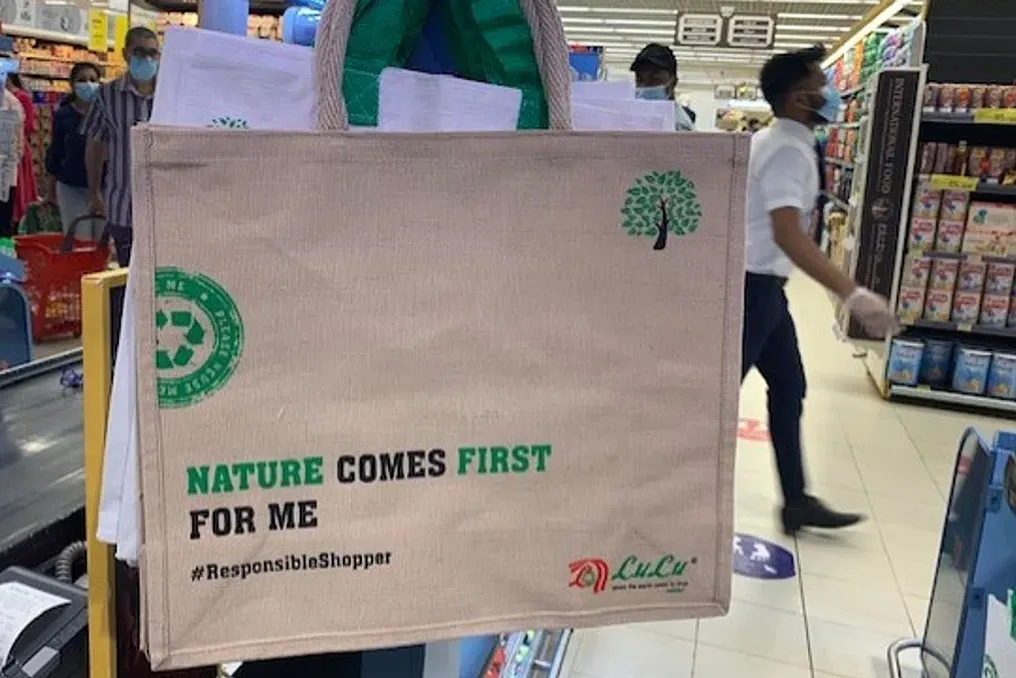
Major retailers agreed to implement a fee of at least 50 fils per bag since the ban was introduced. For example, at Lulu store, a standard bag costs 2.50 dirhams, while a juco bag made from recycled materials will cost 7.50 dirhams as of July 2026. The juco bag usually pays for itself after three uses.
Abu Dhabi implemented its ban earlier than the rest of the country, in 2022. The Environmental Agency reported a 95 percent reduction in the use of plastic bags at checkouts in Abu Dhabi during the first year. This allowed for the saving of an average of 450,000 bags daily and prevented over 172 million single-use bags from entering the environment. Nevertheless, encouraging shoppers to reuse their existing bags remains a significant challenge.
Aisha Hussein regularly uses reusable bags, keeping them in her car, but admits that if her purchases exceed expectations, she takes plastic bags. She notes that forming this habit took time, and sometimes she forgets her bags at home or in the car, only remembering after starting her shopping.
For Youssef Nasser, the system seems impractical because his large family's monthly purchases require more than ten bags. He finds it impractical and buys plastic bags at the checkout to then use them at home for cleaning.
Mona Ahmed never paid attention to the cost of bags. Since she drives with her family, it is difficult for her to maintain a constant supply of special reusable bags. She says she either forgets them or someone uses them for other purposes.
A 2024 study conducted by the UAE University showed that although residents are aware of the harm caused by plastic bags, their actual behavior lags behind. The main obstacle is convenience, not cost or lack of awareness. Shoppers are more likely to change their behavior if they are offered a tangible reward rather than just information.
A payment of one or two dirhams is usually too small to influence most shoppers. Furthermore, paying by card hides this cost within the total bill amount. An additional factor is that using a cloth bag requires the buyer to remember to bring it along, unlike bags provided at the checkout.
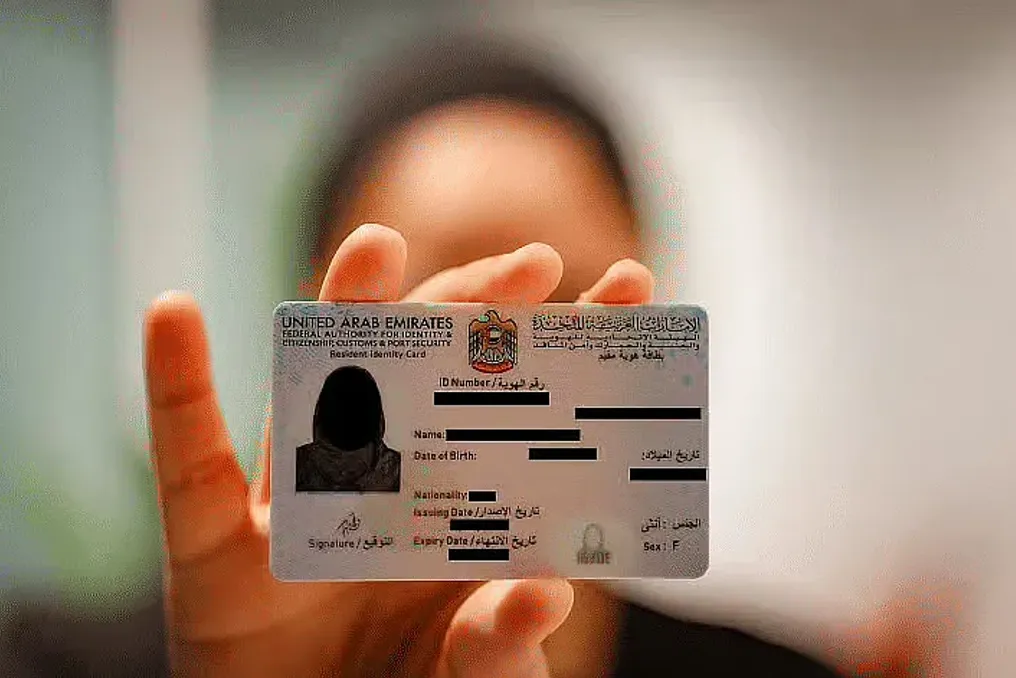
Citizens of the United Arab Emirates (UAE) have gained the ability to renew their Emirates IDs up to one year before their expiration date, which is similar to the passport renewal procedure. This change came into effect on Tuesday, July 14, 2026, representing a significant expansion from the previous six-month renewal period.
If the validity periods of both documents coincide, citizens can update their Emirates ID and passport within a single comprehensive transaction. The Federal Authority for Identity, Citizenship, Customs & Port Security (ICP) announced this update, emphasizing that this measure aligns with the UAE's broader strategy of implementing proactive digital solutions.
This decision aims to improve the quality of life for citizens, meet growing expectations, and ensure more efficient management of personal affairs through a flexible ecosystem of services. This new policy complements a previous ICP decision that allowed UAE citizens to renew passports up to a year in advance.
Thanks to this unified approach, citizens whose passports and Emirates IDs expire simultaneously can now renew both documents at once, reducing time and effort while expanding the benefits of the combined service.
Major General Suhail Said Al Khaili, CEO of ICP, noted that extending the renewal period from six months to one year reflects the directives of UAE leadership to provide proactive government services. He added that this initiative demonstrates ICP's commitment to meeting citizen needs by offering greater flexibility, allowing them to conduct transactions at the most convenient time, thereby improving quality of life, increasing customer satisfaction, and contributing to overall well-being.
Al Khaili also highlighted the UAE's leading global position in identification card systems, emphasizing the ease of issuance as well as the quality, security, and reliability of the card. The Emirates ID is widely used for accessing government services through a unique electronic integration network connecting public and private entities.
According to Al Khaili, this decision strengthens the regional and global authority of the UAE's Emirates ID, positioning the country's issuance and renewal system as a model for other nations. The new one-year renewal period also supports the goals of the UAE Zero Bureaucracy Program. ICP aims to transition from individual services to integrated packages, utilizing artificial intelligence technologies and simplifying the customer journey to move from a reactive to a proactive service model.