Difficulties are arising within the European Union regarding the adoption of new sanction measures against Russia. Because Greece received an exemption for its business, Brussels is considering changing its approach.
Difficulties are arising within the European Union regarding the adoption of new sanction measures against Russia. Because Greece received an exemption for its business, Brussels is considering changing its approach.
According to a Financial Times publication, citing European officials, it is possible that the 21st package, which is the last in its current form, may be canceled. The publication reports that Brussels is studying the option of adopting restrictions not within one large document, but as separate or thematic sets.
The latest dispute arose after Greece opposed the ban on exporting Russian liquefied natural gas to third countries. Greeks secured a temporary exemption for their company 'Dynagas' in Athens. As a result, the 21st package was postponed for several weeks.
Greek representatives emphasized that the share in the liquefied gas supply market could shift from European companies to competitors from the USA, China, and Japan. Thus, contradictions between the national interests of the states are becoming increasingly apparent in the sanction-making process.
While Greece defended maritime transport, other states demanded easing conditions regarding fish imports, visa restrictions, and certain financial assets. The EU Council approved the 21st sanctions package on July 23rd, which included 48 individuals and 170 legal entities on the list.
The package also affected EU relations with third countries. After imposing restrictions on 14 Chinese and Hong Kong companies accused of cooperating with Russia, Beijing banned the export of dual-use products to 14 EU organizations for two purposes.
The Kremlin stated that EU sanctions are intensifying the internal contradictions of the Union itself. According to Russian press secretary Dmitry Peskov, while previous restrictions indirectly harmed European businesses and taxpayers, the new measures directly affect the interests of some member states.
Peskov previously noted that Russia has gained significant experience in continuing economic activity despite the imposed restrictions.
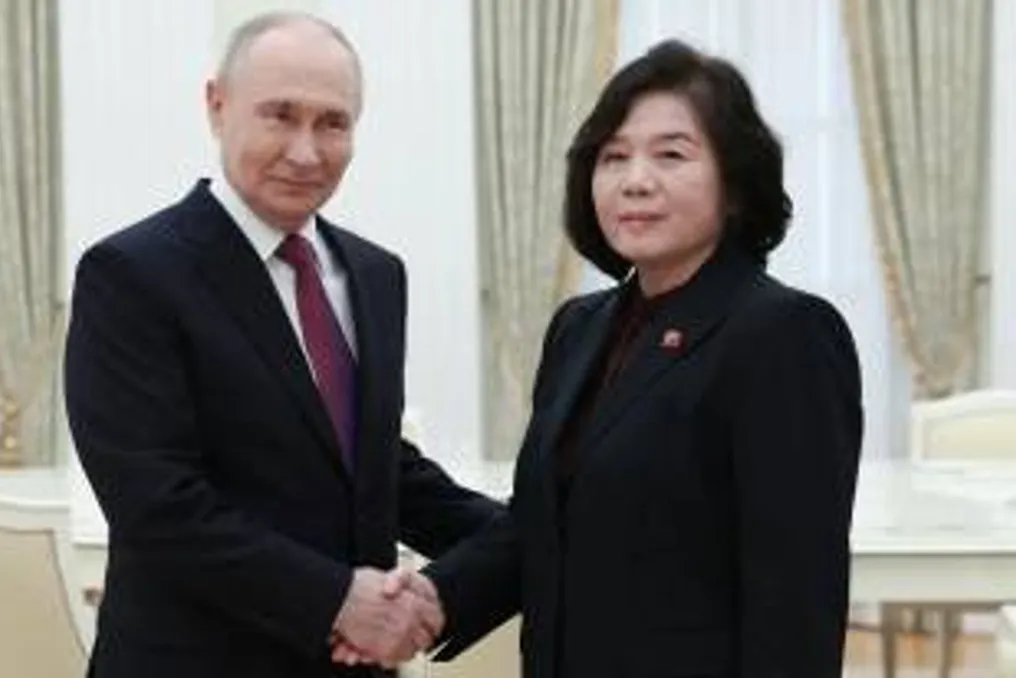
Russian President Vladimir Putin met with the Foreign Minister of the Democratic People's Republic of Korea (DPRK), Choe Song Hui, in the Kremlin.
According to a statement, the head of state expressed gratitude to Pyongyang for assistance provided during the ongoing conflict in Ukraine. The current state of strategic cooperation between the two states was also discussed during the meeting.
According to Moscow's data, in 2024, when Ukrainian troops entered the Kursk region, North Korea dispatched about 14,000 military personnel to support the Russian Federation. These forces were mobilized based on a bilateral mutual defense treaty. Russia subsequently reported regaining control over this region.
According to information disseminated by the Kremlin, Choe Song Hui confirmed during the negotiations that the DPRK's policy of comprehensive development of relations with Russia will not change. He stated that Pyongyang intends to consistently support the existing partnership with Moscow. This statement is regarded as a sign of further strengthening ties between the two countries.
Hostilities in the Kursk direction began in August 2024 after Ukrainian troops crossed the border. Kyiv controlled some territories of the region for several months. Later, Russia announced that DPRK military personnel also participated in the fighting there.