Thanks to advancements in neonatal care, more premature infants are surviving in the United Arab Emirates (UAE); however, doctors note that many of them require years of specialized rehabilitation to reduce the risk of lifelong impairments.
Thanks to advancements in neonatal care, more premature infants are surviving in the United Arab Emirates (UAE); however, doctors note that many of them require years of specialized rehabilitation to reduce the risk of lifelong impairments.
The need for such assistance is clearly illustrated by the SEHA Children's Rehabilitation Hospital, where nearly a third of patients undergoing rehabilitation were born prematurely. Emirati mother Noura Al Ameri shares the experience of her younger daughter, Alyazia. Alyazia was born at 23 weeks gestation, weighing only 580 grams, and spent about a year in the hospital after arriving several months early. She required respiratory support and tube feeding, followed by months of intensive rehabilitation.
Alyazia has a twin brother, Hamad, who was also born prematurely. Although he was born slightly heavier, around 750 grams, and gradually caught up in development, Alyazia's journey proved significantly more challenging. The mother notes that while Hamad walks, Alyazia has faced mobility issues. Today, at 19 months old, Alyazia breathes independently and eats normally, continuing outpatient rehabilitation, although movement problems persist.
Al Ameri recalls her initial fear of losing her daughter in the first few months of life. She recounted being told that her daughter was in danger due to her tiny size and very weak lungs, necessitating a ventilator for all breathing. One of the happiest moments was when, after several months of therapy, Alyazia no longer needed tube feeding. Previously, she couldn't even use a pacifier, but she gradually began taking food by mouth. When the tube was finally removed, she felt real hope.
A recent developmental milestone also brought tears to the family's eyes. For a long time, Alyazia could only lie on her back, but one day she turned onto her stomach on her own. This moment brought immense happiness to the family. Despite Hamad reaching important developmental milestones earlier, Al Ameri admits that comparing the twins was emotionally difficult. However, every new movement from Alyazia instills hope in them.
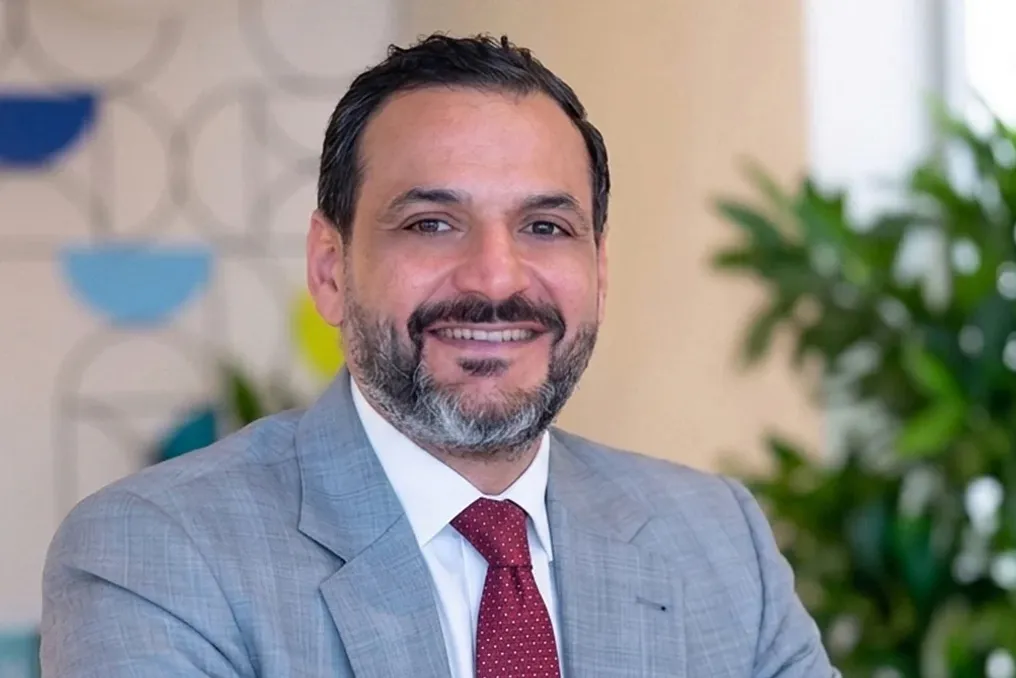
Doctors assert that Alyazia's story reflects a general trend, not an isolated case. Dr. Danish Muhammad Sami, the current Chief Medical Director of the Children's Rehabilitation Hospital, stated that improvements in neonatal care have led to more premature children surviving with complex medical needs requiring post-discharge rehabilitation. Many of them are referred with developmental delays, feeding and swallowing difficulties, chronic lung diseases, or respiratory complications related to preterm birth, while others require support for neurological conditions, cerebral palsy, or sensory impairments. Rehabilitation plans typically include pediatrics, physiotherapy, occupational therapy, speech therapy, and nutritional support.
He emphasized the critical importance of early intervention, as the first years of life are a crucial period for brain development. According to him, starting rehabilitation at an early age helps children develop motor, feeding, and communication skills, allowing emerging difficulties to be addressed before they become more serious.
Independent specialists confirm that this trend extends beyond a single hospital. Dr. Olinka Kovobari, a neonatology consultant at Burjeel Medical Centre, noted that the improved survival rate among extremely premature infants has shifted the focus from mere life support to achieving the best possible developmental outcomes. She believes that the best results are achieved when survival is combined with early monitoring and rehabilitation, and intervention should begin before problems develop, rather than waiting for obvious delays.
Dr. Iviano Ossetta, a neonatology consultant at Danat Al Emarat, reported that advances in antenatal care, neonatal intensive care, and respiratory support have steadily increased survival over the last decade, making structured follow-up development increasingly significant. He added that infants receiving early physiotherapy, occupational therapy, nutritional support, and developmental monitoring are more likely to reach developmental milestones than those whose issues are recognized later.
Doctors warn that the most common parental misconception is that the hardest part is over after discharge from the neonatal intensive care unit. Dr. Kovobari explained that many children who appear to have recovered well may subsequently experience difficulties with speech, motor skills, or behavior months or even years later. She stressed that monitoring is part of treatment, not an optional addition, and the best outcomes are achieved when rehabilitation begins before delays become apparent.
She specified that many premature infants can achieve significant developmental progress, especially with timely coordinated rehabilitation, although final outcomes depend on factors such as gestational age, birth weight, neurological complications, nutrition, and family support. Early intervention can help mitigate issues like feeding difficulties, slowed motor development, and future learning or attention problems by utilizing the brain's peak adaptability period in infancy.
Doctors advised parents to seek medical help if a premature child experiences feeding difficulties, gains weight slowly, appears unusually tense or lethargic, shows limited arm or leg movement, delays rolling, sitting, or crawling, has limited eye contact, shows little interest in interaction, or loses previously acquired skills. Specialists also insist that premature infants should be assessed using corrected age, calculated from the estimated date of delivery, rather than actual date of birth, as this provides a more accurate measure of developmental milestone achievement. For example, a child born two months early who is now six months old will have a corrected age of four months.
Dr. Ossetta agreed that the improved survival rate among extremely premature infants has made structured developmental monitoring increasingly vital. He explained that many premature children can catch up with their peers, especially if developmental issues are identified early and appropriate interventions are provided. The best outcomes are linked to timely monitoring, active family involvement, optimal nutrition, and access to multidisciplinary support.
The family, living about an hour's drive from Al Ain, continues to attend therapy several times a week, combining it with visits to other children. Nevertheless, for Al Ameri, the biggest lesson was patience. She concluded: 'Have faith, trust your doctors, and be patient. There were days I thought I might lose her. But thanks to patience and God's will, today every small movement of hers feels like a victory.'
The healthcare system in the United Arab Emirates (UAE) is viewed not as an isolated sector, but as one closely linked to the country's broader national goals, including economic strength, quality of life, and the ability to remain resilient in a rapidly changing world.
This approach is reflected in the We the UAE 2031 strategy, where healthcare is defined as a driver of national progress with a clear goal—to be among the world leaders in medical care quality. For the private sector, this means not just functioning within the system, but actively participating in its long-term strengthening.
Progress in healthcare is achieved through collaboration: regulators create protective frameworks for patients and ensure trust, while industry partners bring innovation, scale, and operational flexibility. This coordinated interaction makes healthcare systems more robust, accelerates the adoption of innovations, and allows patients to receive solutions that meet real needs.
MSD, known as Merck & Co. Inc., is a global research-oriented biopharmaceutical company that develops medicines and vaccines to address serious global health challenges. MSD's partnership with the UAE spans over four decades, during which time the company has focused on delivering vaccine and medicine innovations to patients in the UAE and the region, ensuring supply continuity, and investing in local capabilities to strengthen the entire healthcare ecosystem.
In the last five years, the focus of MSD's work has intensified due to the acceleration of innovation. The company has expanded partnerships into new areas, paying greater attention to developing expertise, building capacity, and supporting the next phase of healthcare transformation in the UAE.
As global pressure mounts on pharmaceutical supply chains, resilience has become a shared priority. The UAE has established itself as a reliable hub for regional and international supplies, supported by a developed regulatory environment and close interaction between government bodies and industry. Through such cooperation, operational plans can dynamically respond to demand changes, maintaining market stability and continuity of care for patients.
The Emirates Drug Establishment (EDE) has fostered an environment where efficacy and safety go hand in hand, allowing innovations to reach patients without compromising trust. This balance gives healthcare partners confidence to plan, invest, and react effectively even during periods of uncertainty.
Partnership in the UAE goes beyond mere supply. In Abu Dhabi, MSD's collaboration with the Department of Health has become broader and more future-oriented. In 2022, both parties signed a memorandum of understanding covering scientific research, education, and innovation. In 2023, a UAE delegation visited MSD Research Laboratories in Boston, reinforcing the shared commitment to science, capacity building, and the system's long-term readiness. Recently, in 2024, a non-binding memorandum of understanding was signed focusing on lung cancer clinical trials.
Innovations continue to shape healthcare delivery and patient care, and MSD continues to develop its portfolio in promising areas, reflecting a commitment to meeting evolving patient needs. National efforts in disease prediction and data-driven healthcare enable the application of more precise and personalized treatment approaches.
Patients are central to this progress, and engaging them through targeted awareness campaigns promoting early detection remains key. As part of flagship initiatives like the EMBRACE breast cancer awareness campaign, MSD expands its influence annually. Over the past five years, the company has collaborated with various partners, including the Ministry of Health and Population, the Abu Dhabi Department of Health, Friends of Cancer Patients, Emirates Airlines, Deliveroo, MAF Group, and others, united by the common goal of advancing early detection and diagnosis of breast cancer.
Regarding prevention and drug access, MSD's contribution has been significant. Prevention has long been a national priority in the UAE, and MSD has supported these efforts by introducing innovative vaccines and engaging with healthcare stakeholders. These measures have helped reduce the burden of diseases such as HPV-related conditions through proactive care.
Well-designed patient support programs, aligned with national standards, underscore the importance of coordination within the healthcare ecosystem to achieve tangible results. They play a key role in improving health equity and enhancing access to medications, supporting the UAE's national health agenda. Concurrently, through programs such as TaPhaol for pulmonary arterial hypertension and AWN for oncology patients, MSD has launched landmark initiatives in collaboration with partners like Friends of Cancer Patients and the Emirates Oncology Society, a long-standing strategic partner with whom they work closely with healthcare professionals to ensure high-quality oncological care in the region.
Industry associations, regulators, manufacturers, and logistics partners join forces to align supply with demand and anticipate emerging needs. This collaborative approach not only strengthens the readiness of the healthcare system but also solidifies the UAE's status as a leading regional and global healthcare center.
Looking ahead, MSD's commitment to the UAE remains long-term. The company will continue to invest in partnerships that support innovation, strengthen supply resilience, and develop local expertise so that medicines and vaccines are available to patients when needed most. Since healthcare progress is determined not only by today's achievements but also by how well a country is prepared for tomorrow, this preparedness in the UAE is being built steadily, collaboratively, and with a clear vision for a stronger, more sustainable, and viable healthcare future.
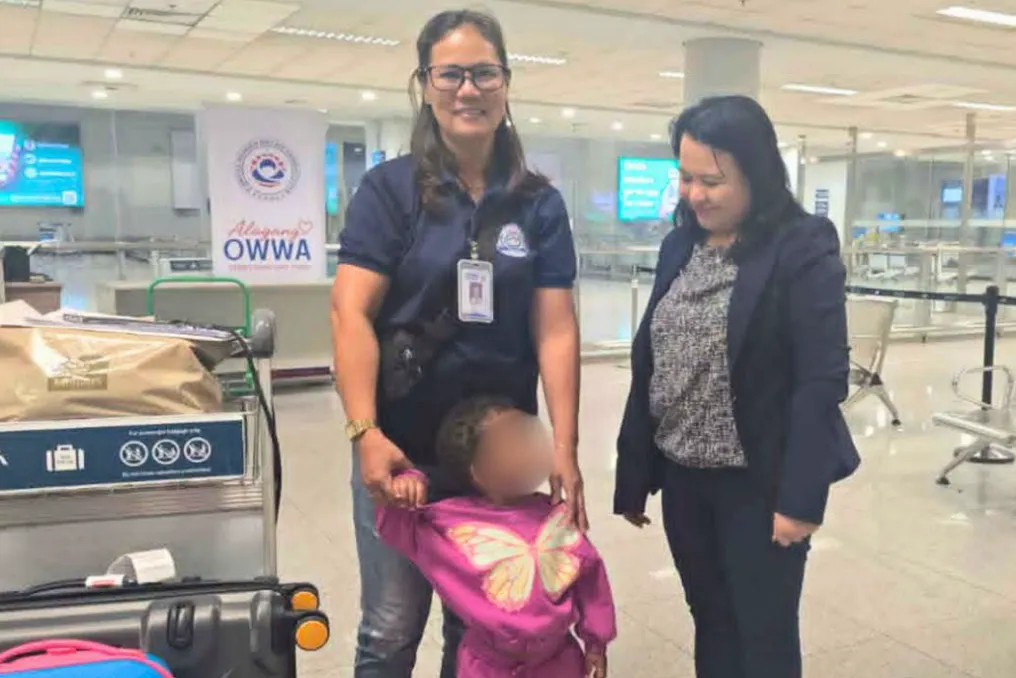
A two-year-old girl from the Philippines, who was abandoned as an infant, has returned to her homeland after spending most of her early life under the care of a shelter in Dubai.
The girl arrived safely on July 9, 2026, via a commercial flight at Ninoy Aquino International Airport (NAIA). This was the result of coordinated efforts by the Department of Migrant Workers (DMW) and UAE authorities. She was accompanied by a representative from the Office of Migrant Workers Affairs, Dubai Social Welfare Attaché Cherilyn G. Girado.
From four months old, the girl was under the care of the Family Village institution in Al Warqa, Dubai. There, she was provided with a safe and caring environment that supported her health and development while all preparations for her return to the Philippines were finalized.
Upon arrival, the young girl was turned over to the Department of Social Welfare and Development (DSWD) for temporary custody and placement. Officials noted that the child's return reflects the government's ongoing commitment to ensuring that no Filipino citizen, especially the most vulnerable, is left behind.