South Africa is facing a serious labor crisis as thousands of migrant workers have left the country following outbreaks of violence. This situation has led to factories and farms across the country having an acute need for labor.
South Africa is facing a serious labor crisis as thousands of migrant workers have left the country following outbreaks of violence. This situation has led to factories and farms across the country having an acute need for labor.
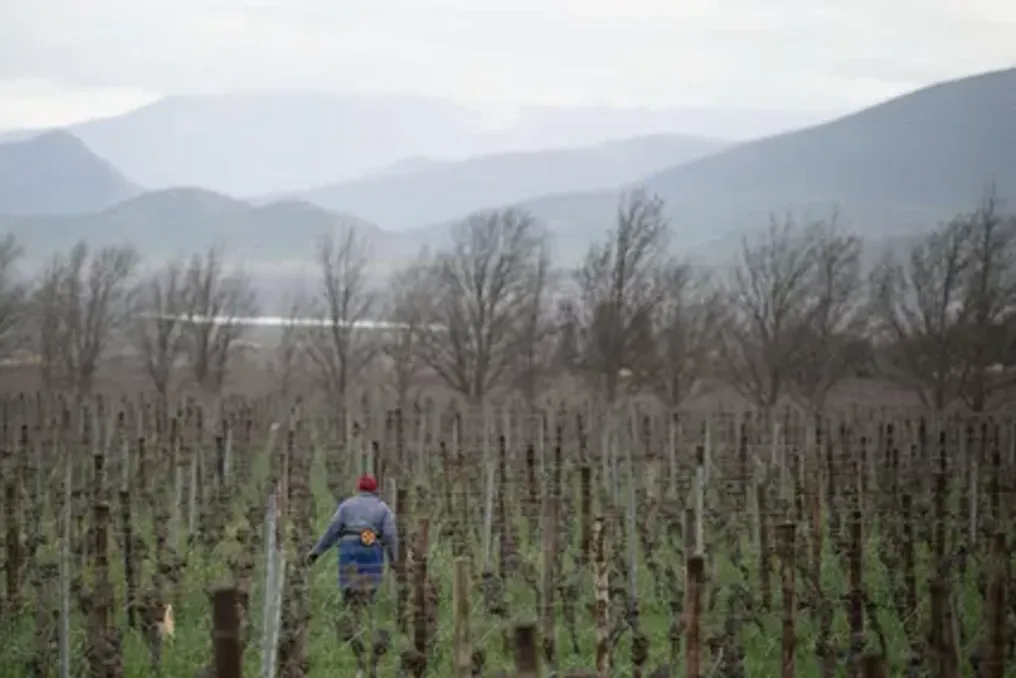
Similar problems are observed on farms, such as vineyards near the city of Robertson. Aaron Majatamhe, a 33-year-old worker from Zimbabwe, told AFP that many farm owners are now desperate because they need to harvest citrus fruits but lack workers. He noted that a similar shortage is also present in vineyards where it is time to pick grapes.
Such difficulties are felt everywhere: factories, farms, and even private households are experiencing staff shortages after thousands of foreign workers left over several weeks to avoid deadly anti-immigrant protests and increased immigration control.
Groups opposing illegal immigration, such as March and March, set an unofficial deadline of June 30th for illegal migrants to leave. This has triggered the departure of over 160,000 people, according to AFP estimates based on data from African governments managing the repatriation of their citizens.
Zimbabwe, which provided the largest number of returnees, reported that many of them worked in the agricultural, domestic, and construction sectors in South Africa.
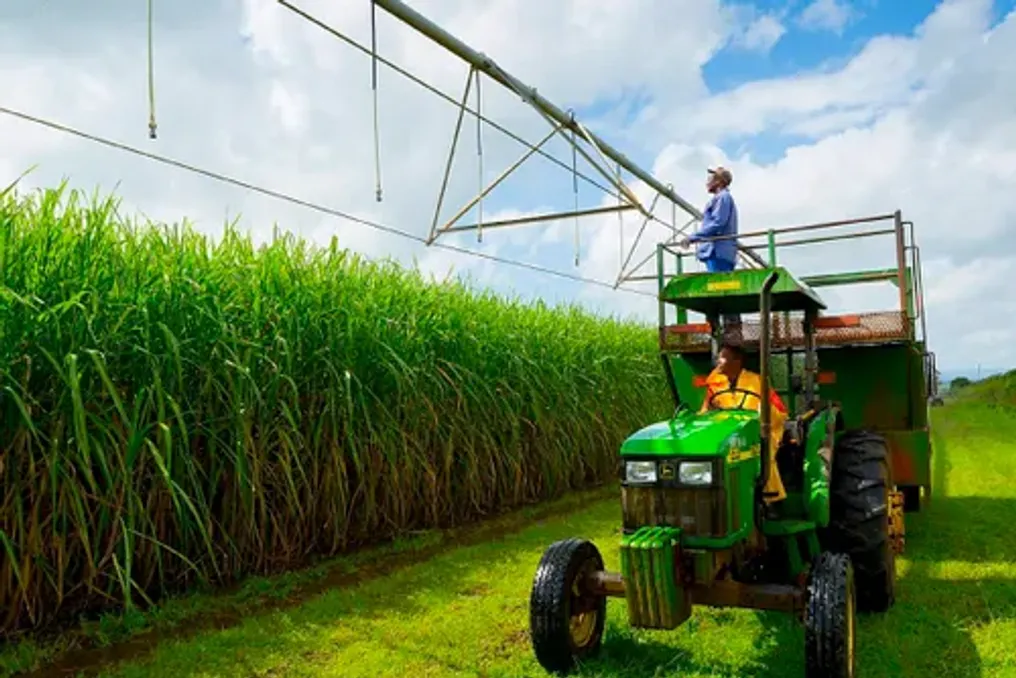
The first signs of the crisis appeared almost immediately in the KwaZulu-Natal sugar belt. One farmer from the northern coast reported losing up to 80% of his sugarcane harvesting workforce in practically one night. He stated that production and deliveries deteriorated to such an extent that milling plants would struggle to continue operations, speaking anonymously for fear of retaliation.
Another producer near Mid-Illovo, in the hilly region south of Durban, mentioned that most sugarcane harvesters in his area came from Lesotho, a small kingdom surrounded by South Africa. He added that there are fields that need harvesting, but there are not enough people, and local residents avoid this work due to its harshness and physical demands.
However, this argument is disputed. Labor unions and researchers argue that with unemployment rates above 33% (and even higher if those not seeking work are included), there are enough people in South Africa willing to work. Instead, they believe that many employers prefer migrants because they are cheaper, more flexible, and less likely to require formal contracts, benefits, or legal protection.
Patrick Williams, a local organizer for the Commercial, Freight, Agricultural and Allied Union, stated that foreign farmers regularly worked seven days a week, skipped lunch breaks to maximize piece-rate earnings, and often received less than the national minimum wage.
For employers, the problem is not only finding workers but also replacing years of experience. A clothing manager in the Chatsworth industrial area of Durban said that the departure of skilled machine operators from Malawi and Mozambique forced factories to struggle to fulfill orders. She noted that they are barely meeting targets because most were forced to leave, and it will take time for local workers to master the job.
The government is trying to respond to public discontent over migration by promoting a 'locals first' approach, while acknowledging that some industries depend on foreign skills and labor. This week, the Trusted Employer Program was expanded, accelerating visas for compliant companies, including predominantly hiring South African citizens, investing in skills development, and working in priority sectors.
Industry groups are strongly urging the government to create legal channels for seasonal foreign labor, arguing that sectors like agriculture have become dependent on migrants and cannot replace them overnight. Siyabonga Madlala, CEO of the South African Farmers Development Association, believes that South Africa should consider a regulated seasonal worker program similar to that in the United States. He also suggested the need for special permits for seasonal workers from SADC countries where the local supply is insufficient.
More than 60% of South Africa's immigrants, it is estimated, come from SADC countries. However, for many who have left the country, debates about labor policy have taken a backseat due to fears for their safety after at least four foreigners were killed, according to the police.
Wayne Chimbadzwa Mutasa, a Zimbabwean citizen who lived in Robertson since 2014, recounted leaving after foreign workers were subjected to targeted home raids. He told AFP that people who came to Zimbabwean homes claimed to be police officers and alleged illegal residency. His compatriot, farmer Aaron Majatamhe, decided to stay for now, stating that they are afraid to stay even in that place, but they do not have enough money to return home.
The South African sugar industry is in a critical situation amid alarming data showing an almost twofold increase in sugar imports during the first five months of 2026 compared to the same period last year. This influx of imported sugar is displacing local products from store shelves, forcing food and beverage manufacturers to increasingly rely on foreign supply sources, which raises serious concerns about the sustainability of local agriculture.
The industry body SA Canegrowers has strongly appealed to the Minister of Trade, Industry and Competition, Parks Tau, demanding decisive action. They insist on the immediate finalization of an updated tariff mechanism that aligns with current market conditions, emphasizing that this is necessary for the survival of the local sugar industry.
The International Trade Administration Commission (ITAC) is currently assessing whether the existing sugar tariffs reflect a competitive environment, following an application submitted by the industry over 18 months ago. However, the wait for action has been prolonged. According to the South African Revenue Service (SARS), 94,984 tonnes of sugar were imported between January and May 2026. This sharply contrasts with the 55,213 tonnes that entered the market during the same months in 2025. It should be noted that in the previous year, 2022, imports for this period amounted to only 1,491 tonnes, indicating a fundamental shift in the market influenced by weakened tariff protection.
The consequences of this import surge for domestic sales are worrying. According to the South African Sugar Association, from April 1 to June 30, local sales dropped to 255,015 tonnes, representing a loss of over 45,000 tonnes compared to last year. This sharp decline points to a destructive trend: before the tariff system began to fail, monthly sales peaked at 428,422 tonnes, leading to a massive loss of nearly 175,000 tonnes over just a few seasons.
Highlighting the severity of the situation, Higgins Mdluli, chairperson of SA Canegrowers, stated: 'Every tonne of local sugar displaced by imports is a direct blow to the producer's income, the mill's viability, and the stability of the rural community. The scale of what we are witnessing now is nothing less than a crisis.' Most of the sugar entering the South African market comes from countries such as Brazil, India, and Thailand, where producers benefit from generous government subsidies and integrated ethanol regimes that allow them to sell surplus sugar on global markets at prices lower than those of local producers.
Unfortunately, South African consumers are gaining no benefit from this influx of cheap sugar; every imported bag of sugar replacing a domestic one jeopardizes jobs, family incomes, and the survival of rural communities, all without lowering grocery prices. The structure of the South African sugar industry dictates that any unsold sugar must be exported, further complicating the already distorted global market. This, in turn, reduces the local industry's ability to profit from crushed and milled sugarcane, leading to a projected price decrease of more than 10% per tonne compared to last year, which currently stands at around 6,600 rand as of July.
Mdluli added: 'Every week of delay in adjusting the dollar base price costs the industry hundreds of millions of rand in lost sales. We are not asking for a special regime—we demand the correct application of the existing tariff mechanism to ensure a level playing field.' He also noted that 'the South African sugar industry supports over a million livelihoods, most of which are in the rural areas of KwaZulu-Natal and Mpumalanga, where sugarcane cultivation often serves as the sole source of stable income and economic activity for entire communities. Allowing it to be undermined by unfair imports due to a simple administrative change in tariffs would be unthinkable.'
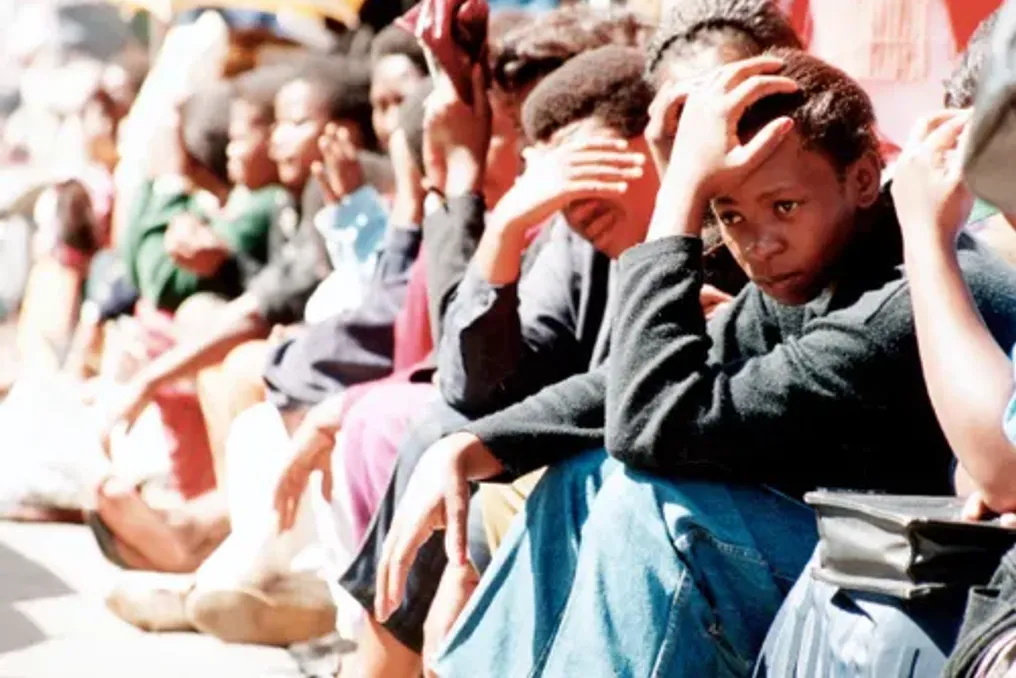
The youth unemployment crisis in South Africa has reached a critical level: nearly half of young people aged 15 to 34 are excluded from employment, education, or training. The growing population not participating in education, employment, or training is provoking social instability, political volatility, and slowing economic growth, calling into question the country's future.
South Africa is experiencing a deep and destabilizing crisis that affects crime, politics, mental health, family structures, and long-term economic growth. Recent Quarterly Labour Force Survey data forces the country to acknowledge the scale of this emergency. The country's working population is 42.2 million, of which about 21.0 million are young people aged 15 to 34.
Despite this demographic group being the engine of the economy, the figures demonstrate a generation detached from economic life. Only 5.6 million of them are employed, 4.7 million are unemployed, and the remaining 10.6 million have completely left the workforce. This points to a more serious problem: millions of people have stopped looking for work and have entirely exited the labor market, being outside of work, study, or training.
The overall unemployment rate in the first quarter of 2026 was 32.7 percent, a catastrophic figure. However, the burden is unevenly distributed: youth bear the main load. Among the 15–24 age group, the unemployment rate reaches 60.9 percent, and among those aged 25–34, it is 40.6 percent. These figures indicate that most young people cannot integrate into the economy, and the transition from school to work has collapsed.
The labor absorption rate is particularly alarming: only 10.1 percent of young people aged 15–24 are employed, the lowest rate among all age groups. Even in the 25–34 age group, where labor force participation is 72 percent, the absorption rate is only 42.8 percent. This creates a gap of 29.2 percentage points between those actively seeking work and those finding it, which economists call the 'scarring effect'—permanent damage to future income and career progression.
The most worrying indicator is the increase in young people who are Not in Education, Employment, or Training (NEET). In the first quarter of 2026, 3.9 million out of 10.3 million young people aged 15–24 were NEET, accounting for 37.6 percent. For the broader 15–34 group, this figure is even higher—45.6 percent, meaning almost half of South Africa's youth are not engaged in work or education.
This trend is worsening: the NEET rate increases by 0.5 percentage points annually in both age groups. The crisis is not gender-neutral. Young women bear a heavier burden: in the first quarter of 2026, 39.2 percent of young women aged 15–24 were NEET, which is 1.7 percentage points higher than the previous year. While the rate for young men decreased from 36.7 to 36.0 percent, the gender gap widened to 3.2 percentage points.
Excluding the majority of youth from employment fuels frustration, which manifests as rising crime, protests, and social unrest. Unemployed youth become vulnerable to criminal networks, substance abuse, and political manipulation, leading to a collapse of trust in institutions and increased hostility towards the political elite.
From a political standpoint, the lack of hope caused by unemployment leads to political instability. Young people who feel excluded become unpredictable voters, prone to supporting destructive policies and radical alternatives. This weakens traditional loyalties and strengthens populist narratives, creating a 'political time bomb.'
High youth unemployment hinders sustainable growth, slowing entrepreneurship, weakening innovation, and reducing consumer spending. The South African economy does not create enough jobs capable of absorbing youth because it remains capital-intensive rather than labor-intensive. Technology and automation exacerbate the situation by eliminating many entry-level positions. Overcoming the crisis requires not just a rhetorical approach but the implementation of labor-intensive growth, targeted skills development, apprenticeship programs, and incentives for hiring youth.
The country must urgently address public service issues to provide youth with reliable education, transport, and digital infrastructure. Experts emphasize that this crisis is not a slow process but an immediate threat determining whether the country can recover or continue to disintegrate.
The unemployment crisis in South Africa remains one of the most significant political and economic challenges of the democratic era. Since the early 2000s, every major election campaign has focused on promises of job creation, economic recovery, and youth empowerment. Nevertheless, despite repeated commitments and billions invested in employment programs, millions of South Africans continue to face poverty, inequality, and economic instability, even when official unemployment figures improve.
This contrast has sparked active public debate regarding the true meaning of employment statistics. Although official unemployment rates sometimes decrease, poverty levels remain stubbornly high. This leads to a growing divergence between statistical data and the actual socio-economic condition of the population. The problem is not the inaccuracy of the indicators themselves, but whether headline employment figures are sufficient indicators of genuine economic progress.
According to Statistics South Africa, the official unemployment rate in the country has fluctuated between approximately 21% and 34% since 2000, remaining among the highest globally. During the post-COVID-19 recovery, the official figure slightly decreased compared to pandemic peaks, generating cautious optimism in political and economic circles. However, poverty and financial vulnerability persisted everywhere despite this improvement.
This phenomenon raises an important policy question: why does poverty remain so widespread even when unemployment rates fall? Part of the answer lies in the changing nature of employment itself. Labor economists increasingly distinguish between the quantity of employed people and the quality of that employment. In South Africa, the share of temporary, contract, low-wage, or short-term government program opportunities is growing.
While such opportunities may provide immediate relief, they do not always create the long-term financial stability necessary to lift households out of poverty. International labor standards define a person as employed if they participate in any paid work during the reporting period, including temporary or short-term work. This means that internships, participation in the Expanded Public Works Programme (EPWP), training programs, and contract government employment contribute to official employment figures.
Although this classification is internationally recognized and statistically sound, critics argue that it may not reflect the full extent of economic insecurity experienced by many working South Africans. This distinction is key to understanding the employment paradox in the country. A person participating in a six-month government employment program is counted in the same statistical system as a professional with permanent employment, yet the reality of these forms of employment differs significantly.
Specifically, the Gauteng provincial government's youth employment initiatives led by Panyaza Lesufi illustrate the complexity of this discussion. Programs such as Nasi iSpani were launched to reduce youth unemployment and provide thousands of unemployed young people with work experience. Proponents argued that these programs provided urgent economic support in affected communities, while critics questioned the temporary nature of the contracts, their long-term sustainability, and their ability to genuinely solve structural unemployment. After the elections, the contracts provided at the stadium expired and were not renewed.
It is important to note that these criticisms do not necessarily mean that employment statistics are fabricated or manipulated. Rather, they raise concerns about how improvements in employment are politically interpreted. Governments naturally emphasize falling unemployment rates because these figures represent measurable achievements. However, headline statistics can mask deeper issues, such as low wages, unstable employment, and persistent working poverty.
Poverty trends in South Africa confirm this concern. According to World Bank South Africa data, poverty and inequality remain among the highest in the world, despite periods of labor market improvement. Millions of working South Africans are forced to rely on social grants or extended family support for survival. In many communities, employment no longer guarantees economic security.
This reflects a broader structural problem in the South African economy. Since the late 2000s, economic growth has slowed due to factors such as unreliable power supply, weak industrial growth, declining investor confidence, corruption scandals, global economic shocks, and infrastructure limitations. As job creation in the formal sector weakens, governments have increasingly relied on employment interventions to provide temporary income support.
Government employment programs themselves are not the problem. In societies with high levels of inequality, they can mitigate immediate hardships, boost household consumption, and provide valuable work experience. The complexity arises when short-term measures become a substitute for sustainable structural transformation rather than a supplement to it. The youth unemployment crisis in South Africa clearly demonstrates this tension: many young graduates continue to move from internships to training programs and temporary contracts without transitioning into permanent employment. While these opportunities may improve short-term employment statistics, they do not necessarily create stable long-term career paths.
Therefore, debates should focus not only on whether unemployment rates are rising or falling, but also on the nature and sustainability of the employment being created. Falling unemployment alongside persistent poverty indicates that mere participation in the economy is insufficient if the quality of employment remains poor. This issue is also crucial for democratic accountability, as citizens increasingly judge governments not only by official figures but also by their personal economic experience. When households continue to struggle despite declared improvements in employment statistics, public distrust in political statements may increase.
Ultimately, the South African experience highlights the limitations of relying solely on unemployment statistics as a measure of economic well-being. Genuine socio-economic progress requires more than just a temporary drop in unemployment. It demands sustained economic growth, industrial expansion, skills development, reliable infrastructure, quality education, and the creation of safe, adequately paid jobs capable of reducing long-term poverty. The true test of economic success is not just whether people are counted as employed, but whether their employment allows them to live with dignity, stability, and genuine economic security.