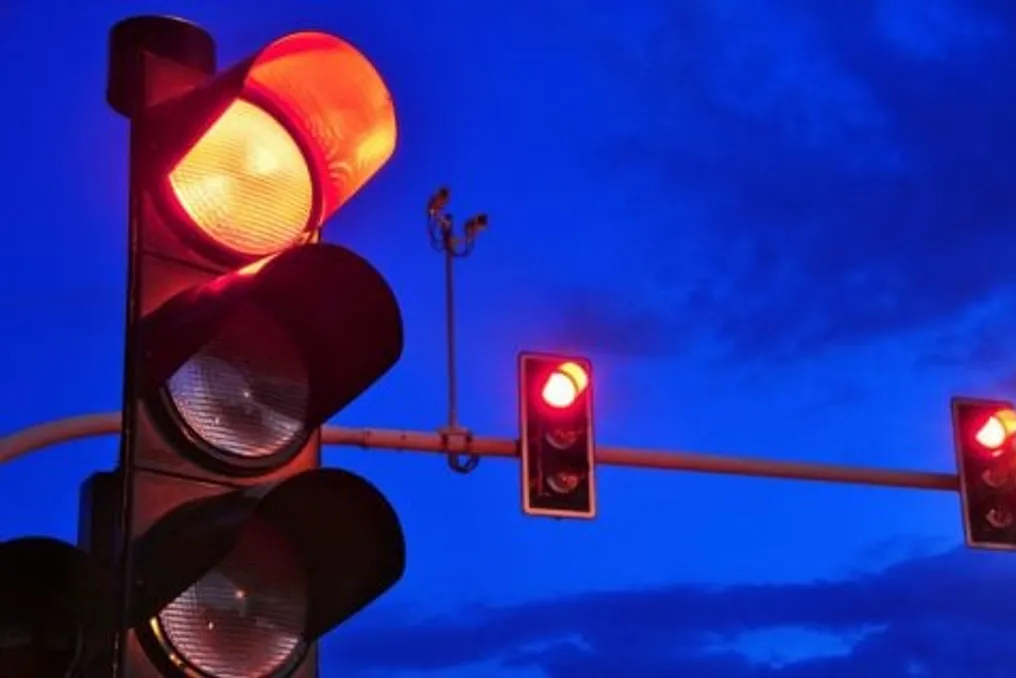
Time loss in traffic is a significant challenge for residents of large metropolises, driving investments in urban mobility solutions. A notable example is smart traffic lights, which have been implemented at 1,677 intersections in the city of São Paulo. According to City Hall data, this technology resulted in a 12.16% decrease in slowdown rates in the covered areas, while simultaneously increasing vehicle circulation capacity by 5.72%.
Technology Expansion
Besides São Paulo, other cities such as Curitiba and, in the future, Belo Horizonte, are adopting this innovation. This technology aims to offer benefits to drivers, cyclists, and pedestrians, allowing an understanding of the functioning and practical impact of smart traffic lights in the urban environment.
Definition and Functioning
A smart traffic light consists of a software and equipment system that manages the signaling of one or more intersections with adaptive capability. This adaptive system was created to manage road traffic dynamically and on demand.
Unlike traditional models, which rely on predefined schedules and timings, smart traffic lights automatically adjust the opening and closing time of signals in real time. This variation occurs according to the number of vehicles and pedestrians present at the location, aiming to optimize circulation, reduce congestion, prevent unnecessary stops, and ensure faster and more predictable travel.
Operational Mechanisms
The set of devices and software uses traffic data to determine the intervals between green, yellow, and red lights, as well as coordinating the 'green wave' in entire corridors. The essential functionality lies in a control model that responds to real changes in flow and communicates with other traffic lights or a management center.
There are different levels of implementation of this technology:
- Simple: The traffic light operates on demand, using sensors to detect vehicles or pedestrians and release phases when appropriate.
- Intermediate: Involves corridor coordination, with dynamic adjustments to cycle, offset, and time distribution.
- Advanced: Incorporates adaptive algorithms and, in some cases, artificial intelligence with prediction of vehicle convoy arrivals, in addition to decisions made individually at each intersection.
General operating factors include continuous data collection by cameras and sensors, real-time processing of this information, automatic adjustment performed by algorithms (such as SCATS, used in São Paulo), prioritization of more congested roads, synchronization of sub-areas, and maintaining a fixed time for pedestrian safety.
Additionally, the system allows for the application of the 'Green Wave,' programming traffic lights in an open sequence to facilitate the passage of many vehicles without interruption, provided the road is unidirectional and uniform.
Crucial Differences
The main distinction between smart and traditional traffic lights is flexibility versus fixed programming. While conventional ones follow rigid tables based on day or time, smart ones constantly self-regulate. In terms of infrastructure, old models use asphalt sensors, vulnerable to repairs, whereas the intelligent system is integrated into monitoring centers and is monitored in real time by operational teams, such as the Traffic Engineering Company (CET), which enables remote management of unforeseen events.
Results in São Paulo
The São Paulo City Hall confirmed that the benefits of the technology were observed in all macro-regions analyzed by CET. The Southeast and East zones showed the best results, with a 12.05% increase in circulation capacity and a 26.04% drop in slowdown.
Some specific corridors showed even more significant improvements: Indianópolis Avenue registered a 66.2% decrease in slowdown and a 5% growth in flow; Paes de Barros Avenue had a 57.1% reduction in congestion, accompanied by a 16.7% increase in circulation. Other roads, such as Rua dos Trilhos (50%), Avenida dos Bandeirantes (29%), and Avenida Salim Farah Maluf (22.6%), also recorded a reduction in queues.
The city's goal is to reach 2,583 smart intersections, with a projected investment of R$ 725.5 million. Currently, 217 intersections are in the final phase of implementation, and 689 have had their executive projects approved, concentrating mainly in the subprefectures of Sé, Vila Mariana, Pinheiros, Lapa, Ipiranga, Mooca, and Santo Amaro.