The popularity of traditional European destinations, where tourists rush between crowded attractions, travel on packed trains, or wait in long queues, is gradually declining. There is a growing demand for quieter and more relaxed places to vacation where one can fully unwind.
The 'Calmcation' Trend
This shift reflects a growing trend known as 'calmcation'. Travelers prefer locations with clean air, many green spaces, quiet streets, and a sense of tranquility, instead of hectic city trips.
According to a study conducted by the travel retailer Vape and Go, one in six people experiences stress daily, and 76% of travelers cite reducing stress as the main reason for their vacation. Researchers analyzed about 70 European cities, assessing factors such as pedestrian accessibility, presence of green areas, noise pollution levels, safety, and air quality, to determine the most relaxing urban destinations on the continent for 2026.
Tallinn Takes First Place
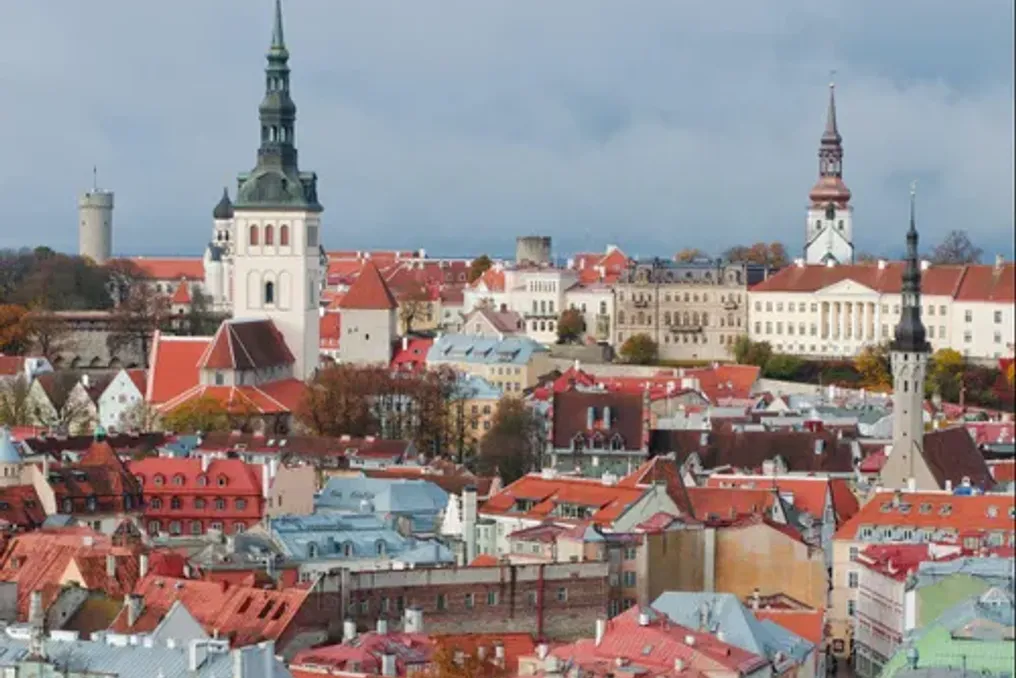
The capital of Estonia, Tallinn, ranked first on the list of Europe's least stressful places. Although the medieval Old Town attracts visitors with its cobbled streets and centuries-old architecture, the city is also distinguished by its noticeable quietness. The study showed that few residents are exposed to road or rail noise at night, and the daytime noise level is also among the lowest in Europe. The combination of relatively low pollution and high safety allows Tallinn to offer a relaxing city break without the constant hustle and bustle common in many major centers.
Switzerland and Estonia in the Top
Zurich took second place due to its excellent pedestrian infrastructure and extensive green spaces. Despite having slightly higher air pollution recorded compared to some other cities in the top five, it still provides visitors with a calm atmosphere with relatively low noise levels during the day and night. Estonia reappeared in the list in third place with the city of Tartu, a university center known for its unhurried pace of life. It performed particularly well due to exceptionally low daytime and nighttime noise levels, making it an attractive choice for those wishing to avoid tourist crowds.
Fourth place was held by Trondheim in Norway, thanks to numerous parks and a high safety rating. Finishing the top five was Vilnius, the capital of Lithuania, which demonstrated an impressive amount of green space and a relatively low noise level.
The Five Quietest Destinations
These five destinations—Tallinn (Estonia), Zurich (Switzerland), Tartu (Estonia), Trondheim (Norway), and Vilnius (Lithuania)—share characteristics that travelers are increasingly seeking: quieter streets, cleaner environment, accessible green areas, and a slower rhythm conducive to relaxation.
High-Stress Cities
Not every European city offers an equally tranquil setting. According to the study results, Naples in Italy turned out to be the most stressful tourist destination in Europe, followed by Antwerp in Belgium and Bucharest in Romania. Among the ten most stressful places were also Lyon, Athens, Thessaloniki, Marseille, Malmö, Birmingham, and Milan. This reflects more serious issues often associated with large urban centers, including heavy traffic, increased noise, and more vibrant public spaces.
However, this does not mean these cities should be avoided. They remain rich in culture, history, and cuisine, but travelers seeking a slower and restorative vacation might find quieter corners of Europe more advantageous. It is noted that lesser-known European cities can become ideal places for rejuvenation, offering a different perspective on the continent.