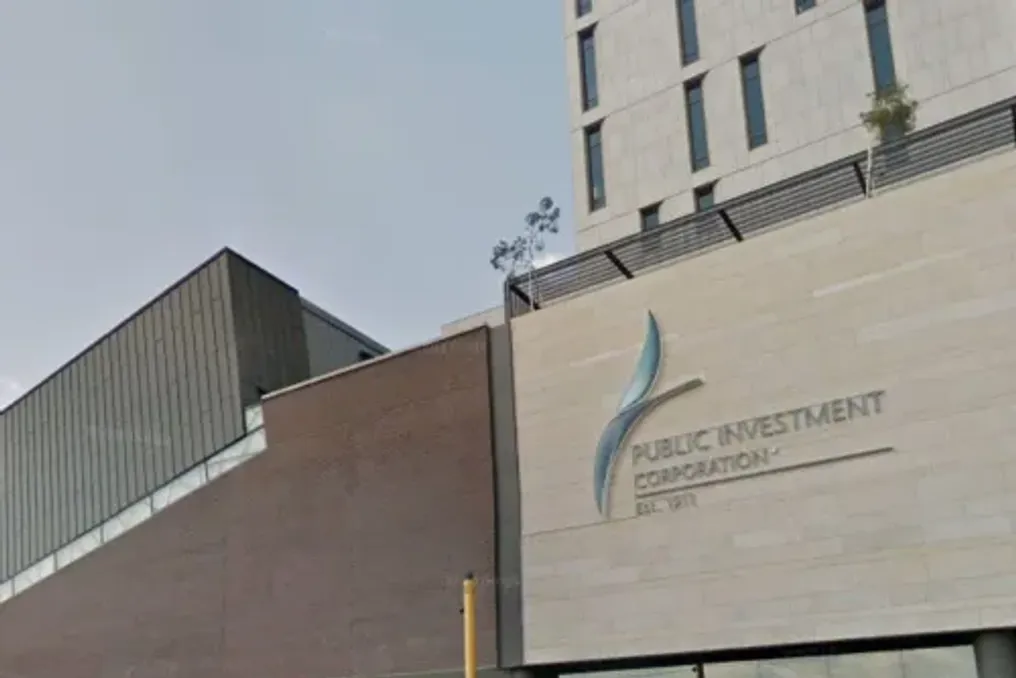
The Congress of South African Trade Unions (Cosatu) expresses serious concern over allegations of corruption and mismanagement within the Public Investment Corporation (PIC), strongly calling for greater transparency and accountability to ensure the safety of workers' pensions.
Similar stories
Popular
Problems at PIC
Workers and pensioners are deeply concerned by recent claims of corruption, state capture, political interference, and questionable investments related to PIC. In the past, workers suffered heavy losses due to state capture and corruption: many lost their jobs, others were deprived of pensions and third-party payments, and public and municipal services declined while funds needed for growth were diverted elsewhere.
Despite significant progress made by President Cyril Ramaphosa's administrations in dismantling networks of corruption and state capture, Cosatu warns against complacency, noting that PIC, like many other state institutions, continues to grapple with this issue. During the dark decade of state capture, PIC became a prime target for these criminals.
Positive Changes and Concerns
Acknowledging the negative headlines surrounding PIC, Cosatu notes that important strides have been made in combating corruption and increasing transparency over the last two council terms. Despite concerns regarding some PIC investments, the union welcomes the doubling of its assets from R1.8 trillion in 2020 to over R3.6 trillion, an achievement matched by few other investment funds, whether state or private.
It is crucial to assure millions of workers whose pensions and insurance funds are invested through PIC that their benefits are secure, as these are defined benefit schemes and are therefore protected from stock market fluctuations and even corruption. However, this does not mean they will turn a blind eye to corruption or normalize the abnormal.
Mandate and Demands for PIC
PIC officials, politicians, businesspeople, tender entrepreneurs, and their families are warned that these funds belong to the workers and pensioners. They include the Public Service Pension Fund, the Unemployment Insurance Fund, and the Compensation for Occupational Injuries and Diseases Fund. These funds are not a private reserve fund. PIC's primary mandate is to ensure a comfortable and dignified retirement for public servants, as well as to assist workers on maternity, parental, or adoption leave, or those who have lost their jobs, suffered illness, or died on the job.
PIC's secondary mandate, especially given that it is the largest investment fund in the country and on the continent, is to invest funds in a way that not only meets the needs of workers and pensioners but also stimulates inclusive economic growth, creates decent jobs, invests in critical economic infrastructure, supports SMEs and emerging entrepreneurs, and promotes empowerment of historically disadvantaged groups, as well as sustainable development.
Reforms and Oversight
As the country strives to increase economic growth from a negligible 1% where it has been stuck for over a decade and address unemployment at 43.7%, PIC must focus on these core national goals rather than being distracted by corruption and state capture. Cosatu intervened during the state capture period to protect PIC and, with support from the African National Congress in Parliament, revised the previously shockingly weak PIC Act, which effectively gave finance ministers and the PIC Chief Executive 'a blank cheque' for appointing the board, making investment decisions, and disclosing this information to the public.
As a result of Cosatu's efforts and parliamentary support, the PIC Act now sets clear criteria for appointing board members, including the option for three worker representatives to be chosen through the Public Service Coordinating Bargaining Council. This was key to ensuring the appointment of competent and honest individuals and giving workers a say in how their funds are spent. The Act also provides for a mandate for progressive investments for PIC to limit the questionable investments characteristic of the state capture era.
PIC is now required to publicly disclose its entire portfolio, both listed and unlisted investments. This is key to institutionalizing transparency—the most powerful weapon against state capture and corruption. There are concerns that PIC is not fully complying with this key provision of the PIC Act. The new Board must ensure full adherence to this legal requirement.
Demands for Leadership and Investigations
Following the Council's resignation, there is an urgent need for the Ministry of Finance, with Cabinet approval, to promptly initiate public nominations for a new Council and form a body of individuals possessing integrity, competence, and authority. If PIC is to be protected from corruption, the new Council must ensure the continuation of current investigations into the Acapulco deal and the suspended execution of the director. Large-scale allegations of serious misconduct cannot be allowed to be swept under the rug.
President Ramaphosa must authorize the SIU to investigate this specific deal and all PIC investments with the support of the Auditor-General and the Hawks. A lifestyle audit of all individuals involved in PIC investments must be conducted. This will be crucial to assuring workers and pensioners that the cancer of corruption will be eradicated. Mechanisms must also be established to protect whistleblowers who took enormous risks to their careers and lives by reporting alleged corruption and state capture.
It is vital that the Council receives necessary support from the government and is shielded from political and any other interference. While politicians and commentators point to the need for various legislative reforms to ensure good governance and clean administration in PIC, they must remember that PIC is the custodian of workers' deferred wages. Just as Cosatu was closely involved in the development and adoption of the 2019 Amendment, the Federation insists on participation in the development of any further amendments. These amendments must build upon the 2019 reforms, and Cosatu will not agree to weaken PIC's necessary checks and balances. Cosatu and workers will continue to monitor PIC vigilantly to ensure that workers' money is used for their benefit and protected from plunder.
The general secretary of the PS established the priority guidelines for the State Budget negotiation process.
Negotiation Focuses
The main issues to be defended include maintaining the values provided for in the Constitution, ensuring the sustainability of the pension system, and guaranteeing the necessary financial resources for the PRR.