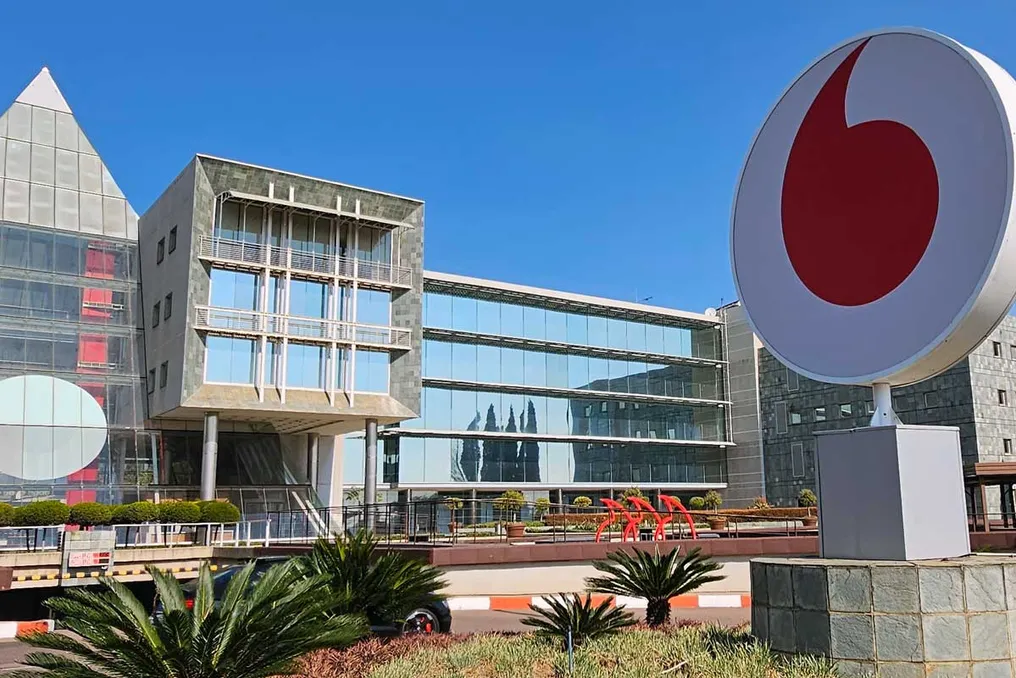
Vodacom has adjusted its dividend payout policy, lowering the minimum threshold to no less than 65% of revenue, down from the previous minimum of 75%. This change was announced alongside the first quarter earnings report and the completion of the long-awaited deal with Safaricom.
Change in Dividend Policy
This shift is significant for many South African pension funds that viewed Vodacom as an income stock, and it contradicts the company's long-standing marketing about a high payout ratio on the JSE. Previously, the 75% policy was confirmed in the 2026 annual results in May, when the board announced a final dividend of R4.05 per share, totaling R7.35 for the year—an 18.5% increase—and described this payment as 'consistent with our dividend policy of paying at least 75% of revenue.'
Vodacom's board analyzed the capital allocation structure to find a balance between investing in network infrastructure, scaling digital and financial services, gradually reducing debt, and returning capital to shareholders. To soften the news, the group promised to ensure dividend growth in the current fiscal year. Group CEO Shameel Joosub stated: 'At this revised payout level, we expect dividend growth per share for the 2027 fiscal year, based on our current growth trajectory and prevailing economic conditions.'
Structural Changes and Goals
Furthermore, a major step occurred in the group's structure: Vodacom increased its stake in Safaricom from Kenya from 35% to 55%, effective June 30th, making the East African mobile operator a consolidated subsidiary.
Against this backdrop of changes, Vodacom raised its target growth rates for EBITDA (Earnings Before Interest, Taxes, Depreciation, and Amortization) and operating free cash flow from double-digit to 'early teenage' levels, and also increased its Vision 2030 revenue ambitions from over R200 billion to over R300 billion. As a result, financial services will increase from 13% to over 22% of group services revenue, signifying a substantial business reallocation from connectivity to fintech.
Joosub noted: 'We are entering a new phase of growth, supported by a more balanced portfolio, broader revenue drivers, and increased exposure to some of Africa's most attractive opportunities.'
First Quarter Financial Results
Group revenue for the quarter ending June 30th grew by 5.9% to R42.4 billion, with service revenue increasing by 6.3% to R34.3 billion. When data was normalized, excluding currency translation effects due to the strengthening rand, service revenue grew by 12.6%. South Africa remained the weakest link, showing only a 2% growth in service revenue, which was below inflation and below the 2.8% growth recorded by Vodacom in the fourth quarter of the 2026 fiscal year. The only positive point was the prepaid segment, which, according to Vodacom, returned to growth after a period of pressure, which the company attributed to simplified offerings and improved value.
Egypt continued to play a key role, increasing service revenue by 32.8% in local currency, while financial services revenue there grew by 73%. International business increased service revenue by 4.1% in rand or 14% on a normalized basis, with Tanzania, DRC, and Lesotho named as the main contributors. Group financial services revenue rose by 17.8% to R4.5 billion, or 27% on a normalized basis. Including Safaricom, Vodacom reported processing transactional mobile money value of $547.9 billion over the last 12 months, an increase of 19.1%.
Non-mobile services—financial, fixed, digital, and IoT—generated R7.8 billion, or 22.8% of group services revenue, which is below the Vision 2030 target of over 30%. Additionally, Vodacom reported investing an extra R800 million in the fiber optic group Maziv during the quarter to support the completion of the Herotel deal, deepening its involvement in the consolidating South African fiber optic market. Joosub emphasized: 'We believe Maziv is well-positioned to accelerate fiber reach in South Africa, contributing to economic development and helping bridge South Africa's digital divide.'