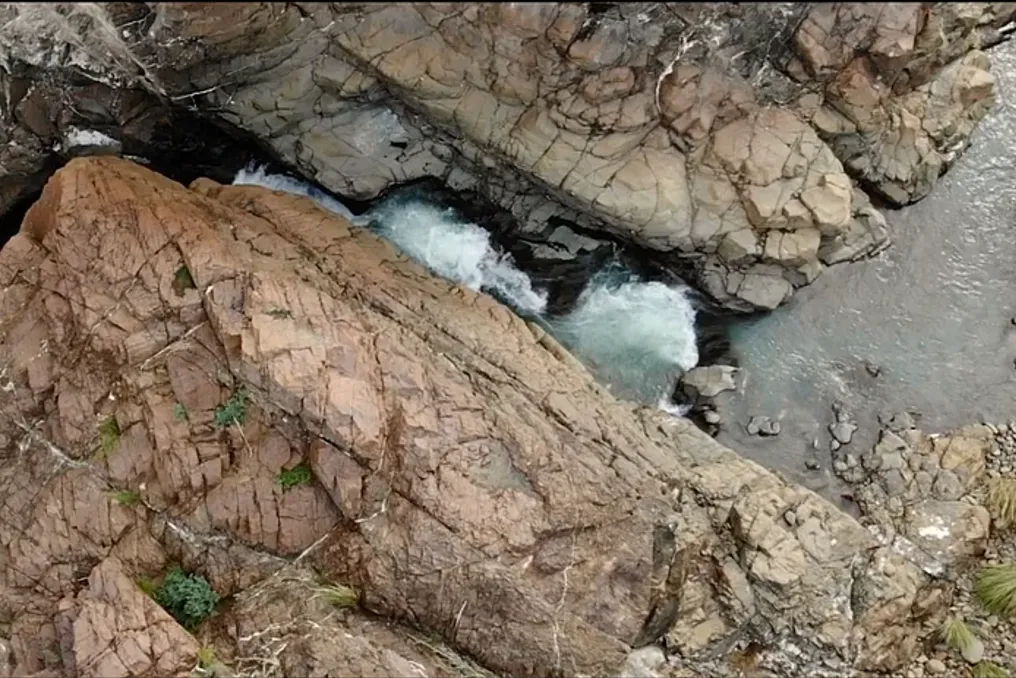
In the Hajar Mountains in Fujairah, United Arab Emirates (UAE), lies Wadi Urayya—a unique ecosystem where clean water flows through rocky beds, and springs emerge from the arid landscape, sustaining a constant waterfall flow even during the hottest summer months in the UAE.
Access and Heritage Status
Previously, this secluded mountain ecosystem was largely inaccessible to the general public. Its trails, freshwater pools, and rugged valleys remained untouched while scientists studied local fauna and authorities worked on restoring and protecting the fragile habitats.
Recently, Wadi Urayya was included in the UNESCO World Heritage List. Access for the public is open starting January 2026, but only within organized group tours, according to a senior official from the Fujairah Environment Agency.
Park Visiting Conditions
Visiting is not unrestricted. Guests must register to participate in an excursion organized by Fujairah Holidays. This is necessary so that visitors can enjoy the reserve without endangering its environment.
As Asila Abdullah Al Mualla, CEO of the Fujairah Environment Agency, noted, anyone can register through their operational partner, Fujairah Holidays. This control system aims to allow access to the reserve while simultaneously preventing damage to its sensitive environment.
Waterfall and Ecosystem Details
Wadi Urayya is known for hosting the UAE's only permanent natural waterfall. During a visit by Khaleej Times in January 2025, researchers discovered that over 60 springs feed a water channel exceeding 6 kilometers in length, which then empties into the waterfall. The waterfall itself is approximately 13 meters high, and according to geologists mentioned by the Fujairah Environment Agency research team, it could have flowed continuously for at least 10,000 years.
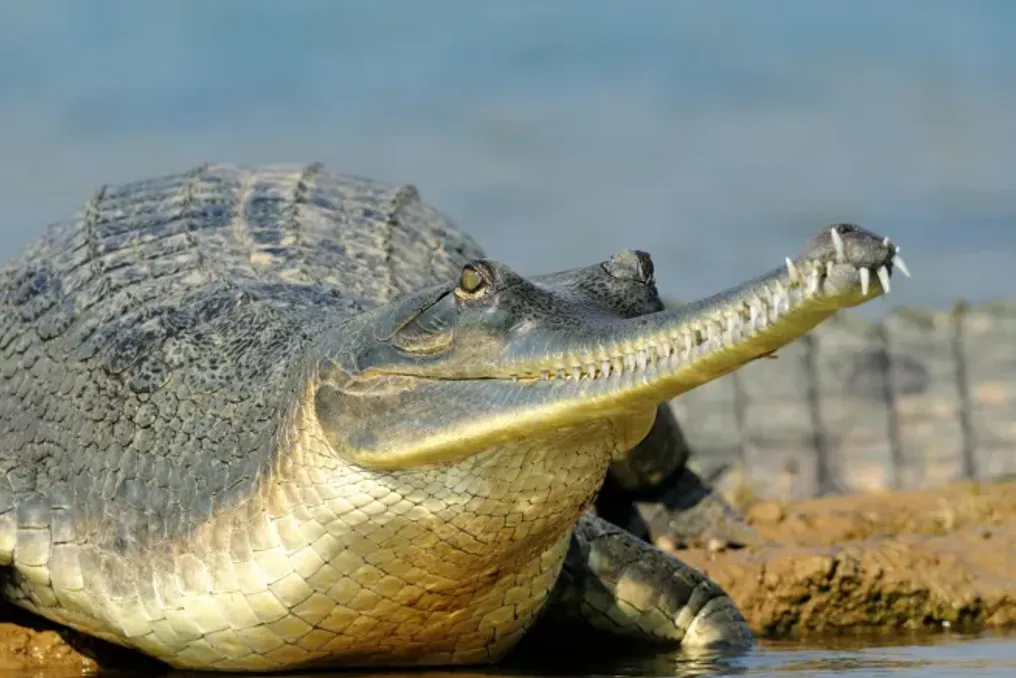
The water supports a rare ecosystem not found elsewhere in the UAE. In the pool around the waterfall lives a fish called Garay, which has adapted to periodic sudden floods running through the wadi.
Research and Landscape Changes
When Khaleej Times visited Wadi Urayya in January 2025, access was mainly restricted to researchers, students, and registered nature conservation volunteers. A group of about 15 local residents received permission under the 'Leaders of Change' initiative from Emirates Nature-WWF to work as 'citizen scientists.' After a hike of about 2.5 km through the wadi, the volunteers reached a freshwater pool where they carefully caught frogs, measured them, and released them back into the natural habitat.
Researchers explained that frogs and dragonflies are important indicators of water quality because they are highly sensitive to pollution and changes in water temperature. Data was regularly collected to monitor the condition of the reserve's freshwater system. 216 plant species have been found in the wadi.
The trip also demonstrated sharp landscape changes within Wadi Urayya: bare mountain slopes give way to flowing water, vegetation, freshwater pools, and traces of wildlife hidden among the rocks. Some visitors recalled times before the area became protected. Dr. Nadia Al Alawi recounted camping there with her family in the 1970s, remembering: 'There was a pool, and we used to jump in it. It was such a sweet childhood memory for us. I stood in front of this area and took a photo to send to my younger sister.'
Name Origin and Park Closure
Researchers believe the name is related to a plant known locally as Varaa, which grows widely in the area. Its leaves were traditionally used to build summer shelters, and it is believed that the presence and historical use of this plant gave Wadi Urayya its name.
The decision to close the park to tourists was made in 2013 after authorities studied its biodiversity and habitats. The reserve was closed only to tourists; students, scientists, and researchers continued to visit the area and conduct studies throughout the closure period. According to Al Mualla, research showed that limiting tourism contributed to the ecosystem's recovery.
Uniqueness and Geological Features
The reserve is located approximately 45 kilometers from the city of Fujairah and covers an area of about 220 square kilometers of mountainous terrain. Research in the area began in 2006. The initial survey recorded 860 species, over 300 springs, and 60 streams, highlighting the ecological significance of the site and strengthening arguments for its protection.
Today, 1099 species are registered in the reserve. Wildlife includes rare and endangered animals such as the Arabian tarsier, the Blanford's fox, and the caracal. The reserve is also home to rare flora, including the wild orchid Epipactis veratrifolia, which authorities have designated as unique in the UAE. Particularly rare are the permanent springs and freshwater habitats in the country's arid mountain environment.
Al Mualla explained that 'the freshwater environment in this area is unique, and the ophiolite adds further uniqueness to it in how it reacts with fresh water, forming a stable surface water system.' Ophiolite refers to sections of ancient oceanic crust and upper mantle rock that have been uplifted onto land. Their interaction with water contributes to the reserve's unusual geological and ecological characteristics.
Significance of UNESCO Recognition
The inclusion of Wadi Urayya in the UNESCO list makes it the third object in the UAE on this list and the first recognized for outstanding natural value. This status confirms the reserve's biodiversity, its rare ecosystems, its permanent freshwater sources, and its distinctive geological features.