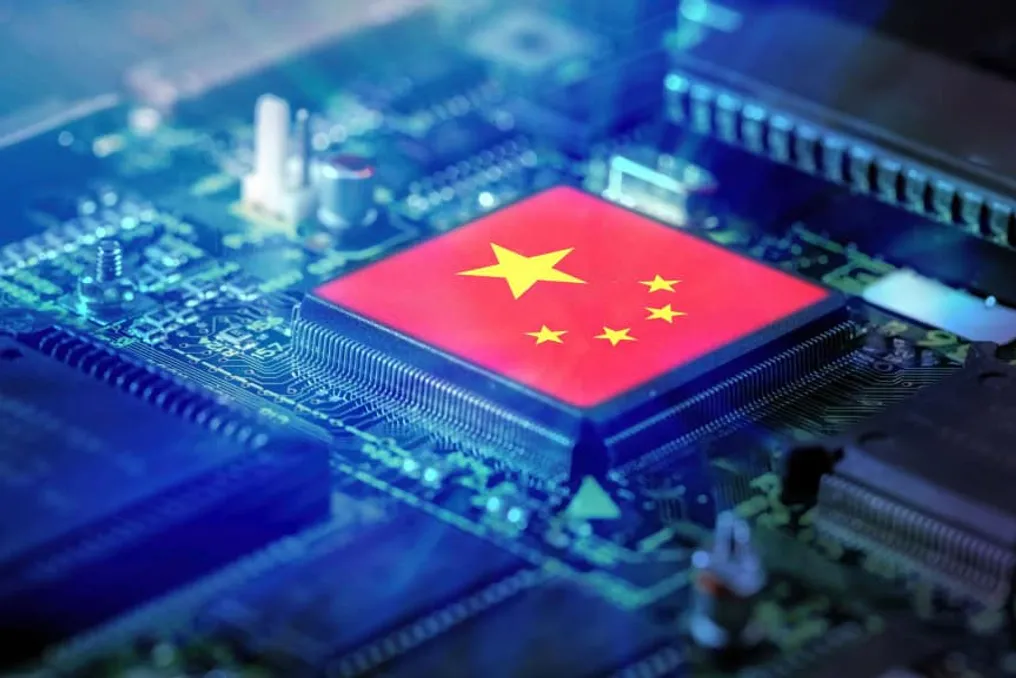
Artificial intelligence models developed in China are gaining relevance in the market, triggering a new dispute in the sector. The introduction of more accessible and open tools calls into question issues related to security, competition, and the future of massive investments in AI.
Impact of open models on AI
The launch of systems such as Kimi K3, produced by Moonshot AI, and Qwen 3.8 Max, from Alibaba, has attracted the attention of both users and investors. These tools operate under the 'open weight' concept, allowing users to download, adapt, and customize the systems for various purposes.
This format has gained traction by lowering barriers for companies that wish to use artificial intelligence without exclusively depending on proprietary solutions. However, this raises apprehension among executives who advocate for greater control over cutting-edge technologies.
Views on the future of AI
Dean Ball, responsible for strategic futures at OpenAI, stated in an X post that a scenario dominated by open models could turn AI into a public digital infrastructure. Although he classified this perspective as dystopian, he later clarified that he did not support measures targeting Chinese models.
The discussion also encompasses the high costs inherent in developing advanced systems, given that industry companies inject billions of dollars into infrastructure and processing to enhance their resources.
Challenges for tech giants
The entry of Chinese models with more competitive pricing has led investors to question the space of established companies like OpenAI and Anthropic. The main concern lies in the possibility of new competitors offering viable alternatives at a lower operational cost.
Other groups based in the United States are also investing in open models. Thinking Machines Lab, led by Mira Murati, former CTO of OpenAI, launched its first open-weight model. Meanwhile, Nvidia is gaining ground with Nemotron 3 Ultra, and Reflection AI, with support from the chip manufacturer, is preparing its initial launch.
The central themes of this debate include the ability to download and modify open models, companies' efforts to reduce AI development expenses, experts' warnings about misuse, and the evaluation of sectoral regulations by governments.
Warnings about risks and government responses
Dario Amodei, CEO of Anthropic, has also expressed concern about the dangers of sophisticated systems being available to the public. In a conversation with Bloomberg, he stressed that models with advanced cybersecurity capabilities and unrestricted access constitute a serious source of worry.
US authorities are currently debating possible actions against Chinese AI companies, such as imposing trade restrictions, issuing security warnings, and establishing standards for open models. To date, none of these measures have been implemented.
The Trump administration declared its intention to strengthen the American open-source ecosystem and safeguard national security. Austin Carson, CEO of the AI policy organization SeedAI, defended the relevance of accessible models, stating: 'If you know open source, you know you cannot win by exclusion.'
This current dispute signals that artificial intelligence has reached a new stage: beyond creating increasingly advanced systems, companies and governments must now define who will have access to these technologies and what limits should be imposed on their use.