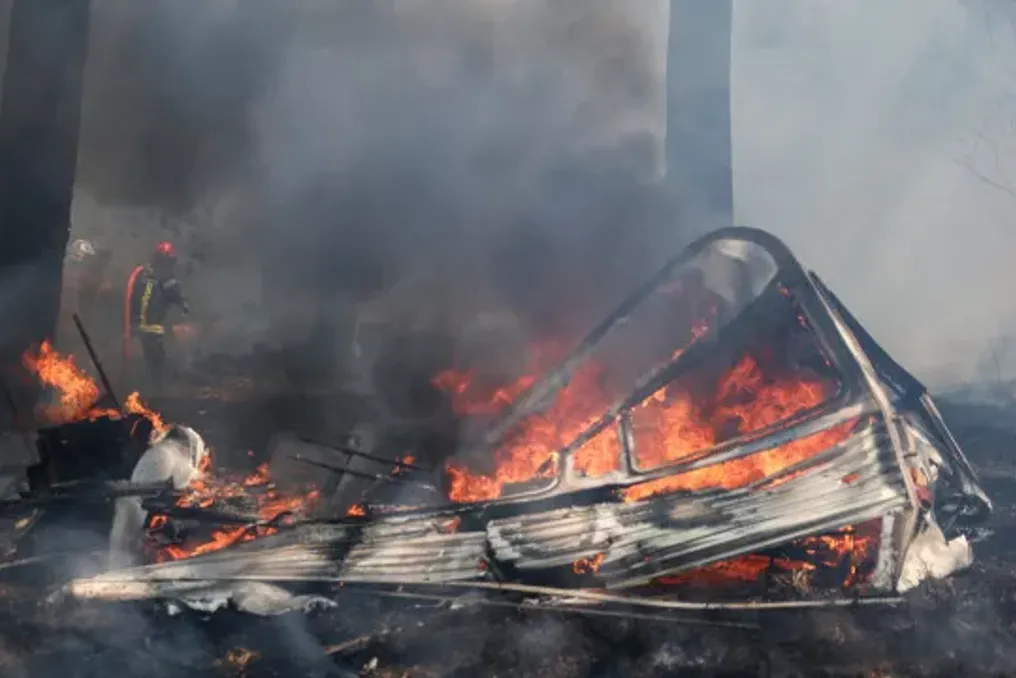
Spain's Minister of the Interior, Fernando Grande-Marlaska, told journalists at the fire control headquarters in Navalengse, Ávila, that the past day was 'absolutely difficult from a meteorological point of view,' which hindered control over the fires or any positive development in the situation.
Fire Situation and Forecasts
Despite the difficulties, Grande-Marlaska expressed confidence to the public and victims, emphasizing that the weather forecast for Sunday is better. He noted that 'all resources' are being deployed to combat the flames, as well as for the safe evacuation of the population.
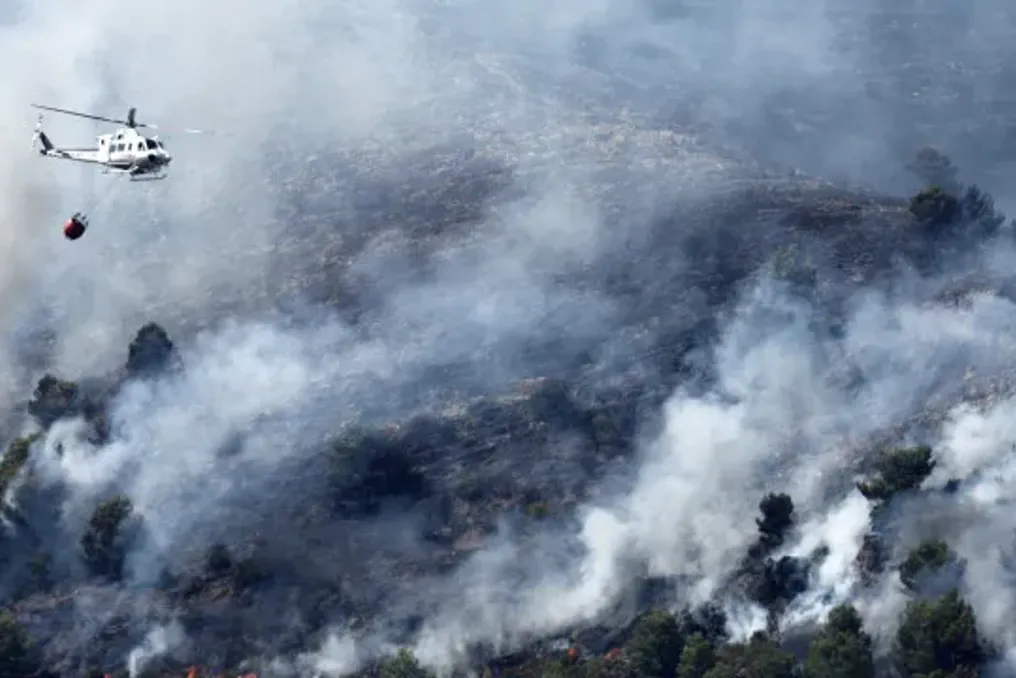
The Minister warned that the current evening 'will not be easy' and 'difficult work' is expected on the ground. He thanked the autonomous communities for providing resources, as well as European partners who provided aircraft for firefighting through the civil protection mechanism. Special thanks were extended to Portugal, which sent a special group of 128 operators.
Coordination and Damage Assessment
The commander of the Military Emergency Unit (UME), Francisco Javier Marcos Izquierdo, also called for calm. He reported that although the fires are not yet under control, the overall situation is under control. Marcos Izquierdo stressed that evacuations and restrictions in populated areas are being carried out 'with great foresight and order,' and coordination of teams on site is effective.
He added that despite the unfavorable evolution of the fire in some areas, it was possible to stop the spread of the flames in several places during the day, as well as prevent the complete merging of fires in Ávila and Madrid. The perimeter has been defined but not yet secured.
Consequences and Response Measures
According to the latest official data, the fires in the regions of Madrid, Ávila, and Toledo have led to the forced displacement of homes or movement restrictions for more than 88,000 people since Thursday. Although there are no registered casualties in these fires yet, a man died in another fire near Valencia, in eastern Spain, today.
The start of the evening in Spain was marked by the closure of 27 roads due to forest fires, most of which were in the provinces of Ávila and Madrid. The Spanish government expanded the national state of emergency to the province of Toledo, which had been in effect since Thursday evening in Madrid and Ávila. These territories are neighboring but located in three different autonomous communities (Castilla-La Mancha, Madrid, and Castile and León).
According to the Ministry of the Interior, the expansion of the state of emergency to Toledo is necessary to ensure maximum efficiency in coordination and mobilization of available resources to fight the fires. According to the European Forest Fire Information System (EFFIS), approximately 130 thousand hectares have burned in Spain since January 1.