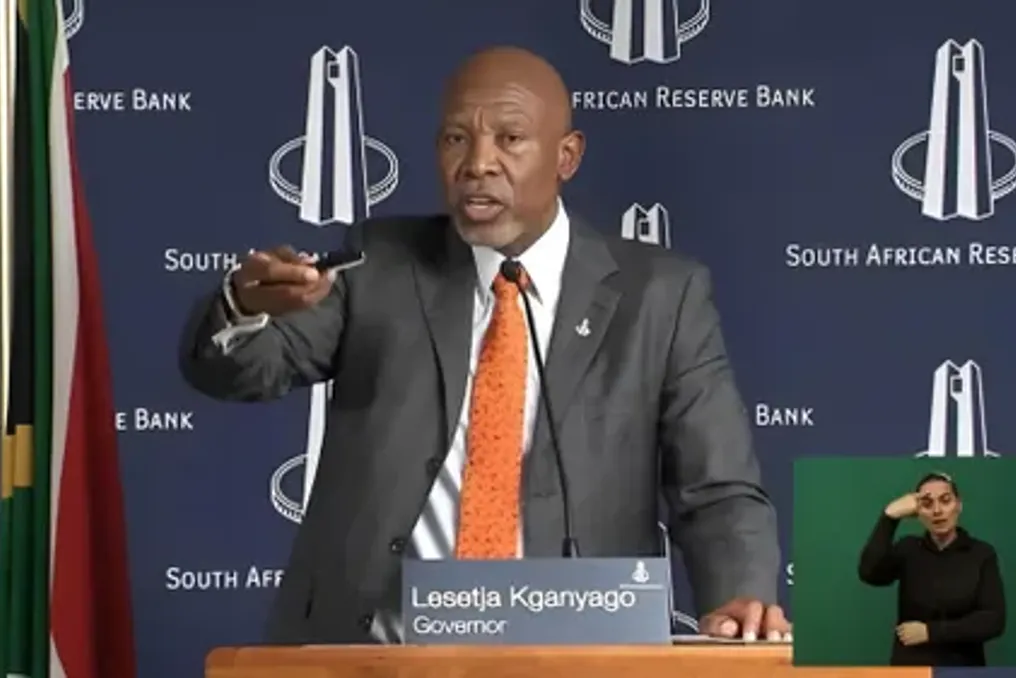
The South African Reserve Bank decided to keep interest rates unchanged, which provided confidence to consumers, homeowners, and the commercial real estate sector. However, economists warn that oil price volatility remains the most significant risk to inflation and future rate decisions.
Decision and Market Reaction
The MPC's decision to keep the base rate unchanged at 7% provided positive certainty for various segments of the population and the commercial sector. It was noted that inflation accelerated to 5% in June, largely due to rising fuel prices stemming from the renewed conflict in the Middle East.
During the MPC meeting, four members voted to maintain rates, while two advocated for a 25 basis point increase, highlighting the complexity of the task for decision-makers. Arthur Kemp, chief economist at Sanlam Investments, noted that the Bank's updated inflation forecasts reflect a more favorable outlook for oil prices.
Forecasts and Concerns
According to Kemp, the Bank's CPI forecast was adjusted downwards: the average for 2026 was lowered from 4.4% to 4.0%, and the peak inflation is now expected at 4.7% in the first quarter of 2027, compared to the previous forecast of 4.9%. He also indicated that the Bank's forecasting model continues to show a rate reduction in the medium term, reaching 6.79% in the fourth quarter of 2026 and 6.24% in the fourth quarter of 2027.
Nevertheless, Kemp warned about persistent concerns regarding inflation expectations, which could lead to secondary effects. He emphasized that if inflation expectations remain high or continue to rise, the Central Bank may need to raise rates again in the future.
Real Estate Sector View
The real estate sector welcomed the decision, as stable borrowing costs support investment plans after months of uncertainty regarding further rate hikes. Norman Raad, CEO of Broll Auctions and Sales, stated that holding rates improves confidence in the commercial real estate market, as buyers can rely on previous calculations.
Steven Whitcomb, Managing Director of FIRZT Property Group, believes that the Central Bank correctly identified that current inflationary pressure is mainly imported through rising fuel prices, rather than excessive consumer demand. He noted that the main factors are the sharp increase in fuel prices following the Middle East conflict and the rise in administrative tariffs, such as municipal electricity and water bills.
Whitcomb added that freezing rates helps support the rand exchange rate because crude oil imports are pegged to the US dollar. More attractive rates in South Africa stimulate foreign investment, which supports the currency and limits the impact of imported inflation.
Prospects and Support
Whitcomb believes that falling oil prices could eventually create conditions for easing interest rates. He mentioned that many international energy analysts expect oil prices to stabilize as supply conditions improve and geopolitical tensions decrease.
The UASA union also supported the decision, stating that households urgently need stability after a long period of rising cost of living. Abigail Moyo, a UASA representative, expressed hope that easing inflationary pressure will allow the Central Bank to lower borrowing costs later this year, thereby alleviating the financial burden on citizens.