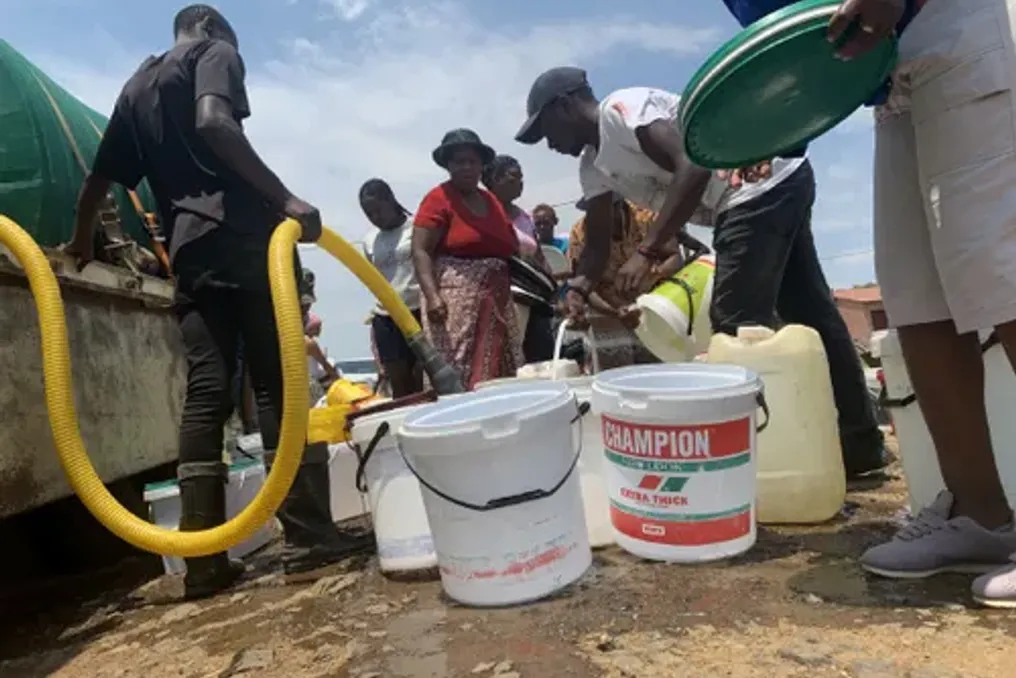
Residents of South Africa are facing rising inflation, increased food prices, and soaring electricity tariffs, yet the issue of the country's water crisis remains underestimated.
The Water Situation in South Africa
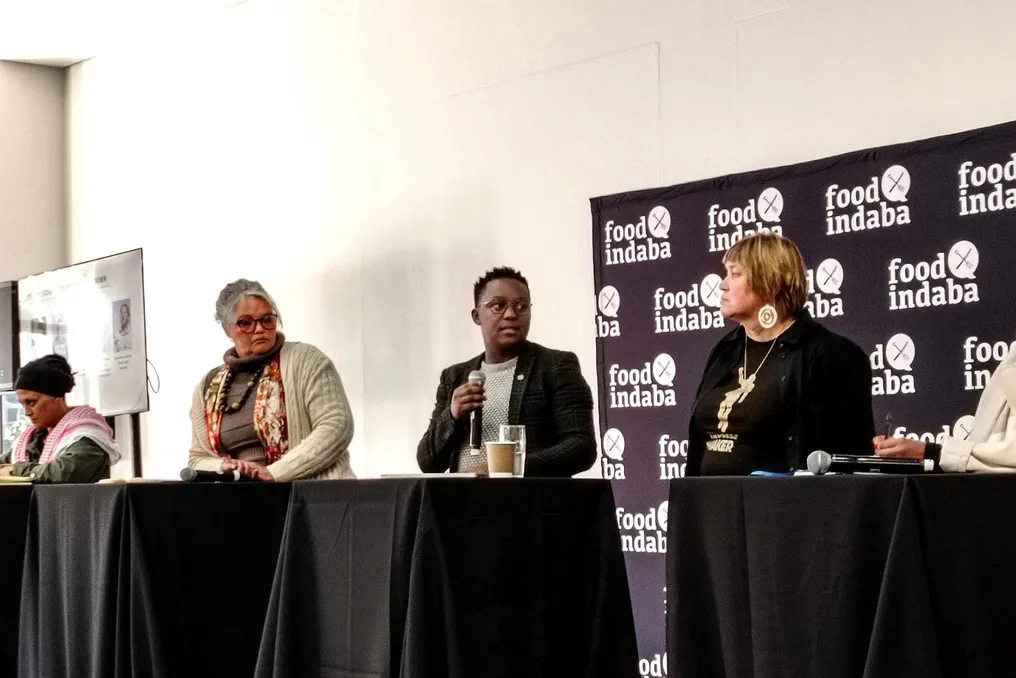
South Africa ranks 33rd globally in terms of aridity. The Food Indaba 2026 conference, themed 'Water and Food Systems,' was held this week. During this event, experts, scientists, and stakeholders from various sectors discussed ways to prevent the depletion of the country's water resources.
The Concept of Water Bankruptcy
Deshni Pillay, Head of the Nature, Climate, and Energy Portfolio at the UN Development Programme in South Africa, noted that the water crisis has gone beyond simple water scarcity and has begun affecting the cost of food on tables. Pillay recalled the 'Day Zero' situation in Cape Town in 2018, when the threat of the water supply running out was real.
She explained that people tend to think a water crisis only begins when the water stops flowing, whereas in reality, it starts with rising food prices. Although the consequences of water bankruptcy may be unnoticed now, farmers are the first to feel the difficulties when they have to drill deeper wells, pumps require more effort, and yields decrease due to limited water access.
Pillay emphasized that water bankruptcy does not develop instantaneously. Similar to financial bankruptcy, it begins subtly: small deficits accumulate, natural resources are depleted, warning signs are ignored, and suddenly the entire system fails. The most dangerous aspect is that most people do not realize the approaching catastrophe until the very last moment.
Signs and Economic Impact
The first signs of water bankruptcy are often not empty reservoirs, but an expensive loaf of bread, reduced harvests, factory closures, or a monthly decrease in a family's grocery basket. Pillay explained that the link between these phenomena is often not established because water is an invisible component of everything, even though every meal starts with it.
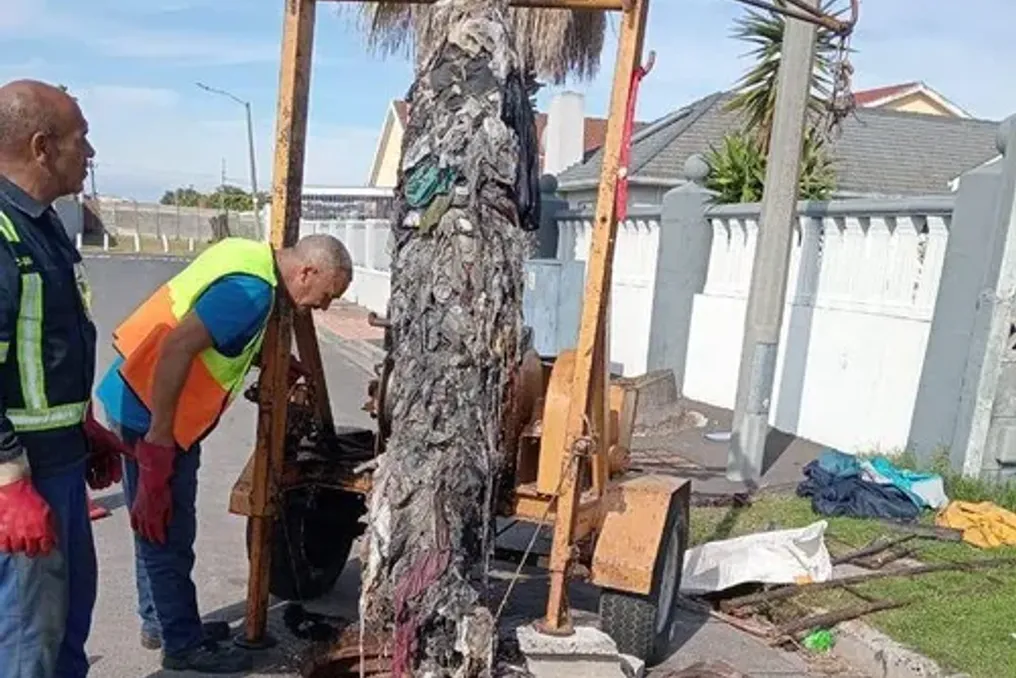
When water reserves decline, crop yields fall, food prices rise, farmers' incomes decrease, agricultural jobs disappear, nutrition worsens, and poverty and inequality deepen. Pillay cited the example of Cape Town, stating that food security is impossible without water security. This lesson is now manifesting across South Africa, including water supply disruptions in Gauteng, infrastructure problems in eThekwini, and recurring droughts in several provinces, which degrades the ecological state of critical catchment areas.
She concluded that South Africa's water challenge is not just a climate change issue, but also an infrastructural, ecological, managerial, and developmental one. Water bankruptcy threatens the future prosperity of the nation, affecting not only households and farms.
Solutions to the Problem
Pillay noted that despite the grim picture, there is hope. Various steps are being taken across South Africa: communities are restoring traditional methods, catchment areas are being rehabilitated, nature-based approaches are being implemented, and investments in climate resilience are being made. She stressed that healthy ecosystems are vital ecological infrastructure requiring more sustainable management.
The expert highlighted the importance of collaboration with communities involved in water conservation. Pillay stated that the future is shaped upstream, and efforts should be directed there. She clarified that the history of water bankruptcy is less about scarcity and more about the choices and decisions made by policymakers regarding the management of the future, food production, and investment in the economy.
Pillay added that South Africa is not starting from scratch: farmers nationwide are adopting sustainable practices, scientists are improving forecasting and developing early warning systems, and municipalities are beginning to explore new approaches to water scarcity. Businesses are investing in innovation, but most importantly, citizens are demanding change. Solutions exist, and everyone needs to unite to ensure decision-makers have the necessary knowledge to achieve water and food security.