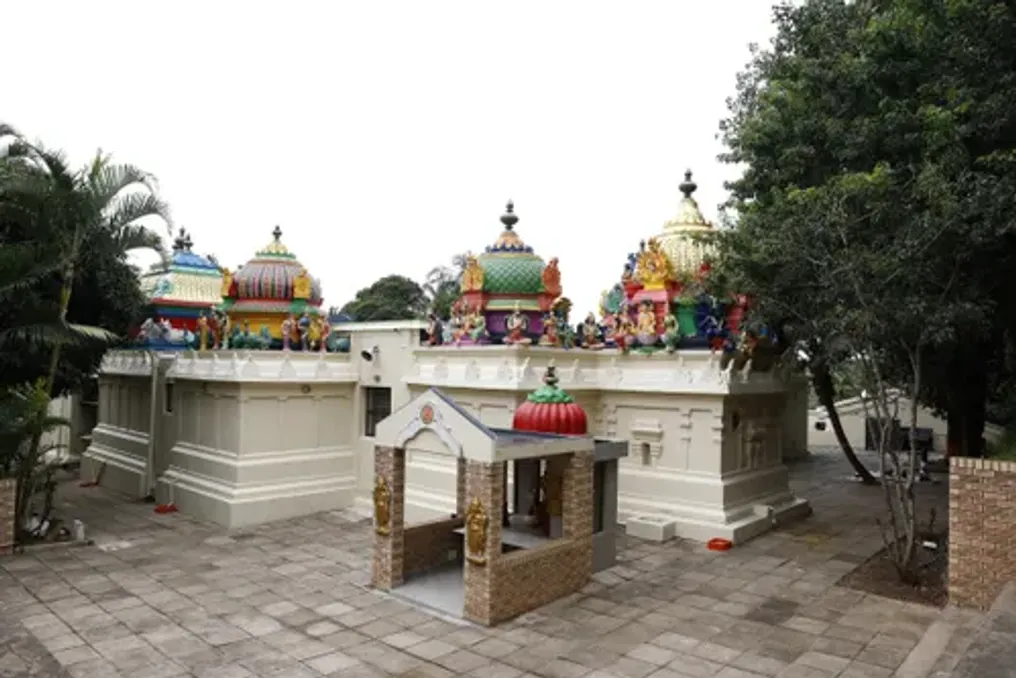
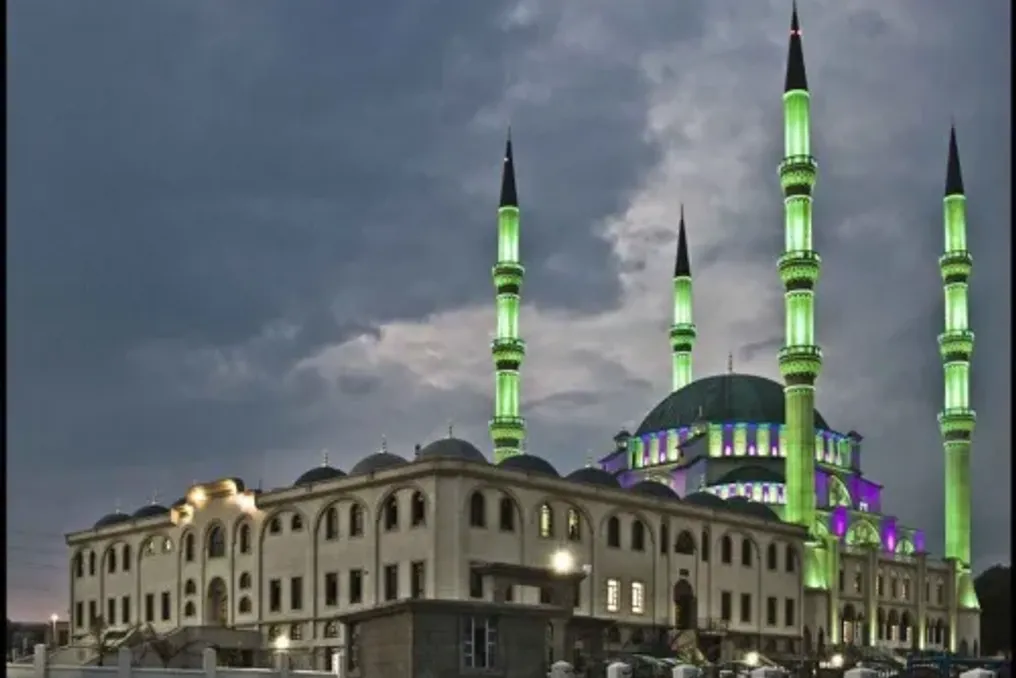
Spiritual tourism in South Africa, represented by sites such as the Nizamiye Mosque Complex in Midrand and other significant religious institutions, can open new avenues for generating tourist flows in search of new drivers for the country's inclusive growth.
The Growing Global Tourism Segment
For decades, South Africa has actively promoted its rich wildlife, picturesque beaches, and lush vineyards to attract international visitors. However, there is an often overlooked asset—faith. In an era when religious and sacred tourism is rapidly growing worldwide, South Africa stands on the threshold of significant untapped potential capable of stimulating economic development and enriching local communities.
The religious tourism sector, which has become one of the fastest-growing segments globally, generates billions annually, particularly in regions like Europe and Asia. Examples of pilgrimage destinations, such as the Camino de Santiago, demonstrate how spiritual journeys can revitalize local economies, create jobs, and preserve cultural identity. Nevertheless, Africa, with its deep spiritual diversity and heritage, has yet to harness this economic resource.
The SacredTravels4Growth Research Project
Researchers from the Tourism Research in Economy, Environment, and Society (TREES) unit at the University of the Western Cape are striving to change this narrative. The team, led by Professor Lizebo Tsane-Gumbe, Dr. Walter Vessels, and Dr. Michael Chambwe, is part of the European Union-funded initiative SacredTravels4Growth. The project aims to strengthen higher education, tourism research, and sustainable development through religious and cultural tourism.
Dr. Vessels notes that the project's vision extends beyond academia. He emphasizes that pilgrimage routes and sacred heritage sites can foster sustainable tourism, boost local economies, and empower communities. This perspective challenges South Africa's traditional tourism model, which has long been predominantly focused on nature and wildlife, making it vulnerable to seasonality and intense competition from neighboring destinations.
Impact on Local Communities
Religious tourism is distinct because it goes beyond mere visitation; it impacts the entire community economy, especially in small and rural areas with high unemployment rates. Dr. Vessels explains that developing tourism infrastructure around sacred sites can lead to necessary economic activity. This ripple effect manifests as pilgrims requiring accommodation, food, local transport, guides, and cultural experiences, allowing financial activity to penetrate various settlements rather than being confined to luxury resorts.
The core objective of the SacredTravels4Growth project is to develop local skills for the tourism sector. Training programs are designed to equip stakeholders in tourism, municipalities, and local communities with the necessary knowledge in religious tourism and marketing, aiming not only to inform but also to support local entrepreneurs.
Diversification and Potential
The impact on rural communities is considerable. As Dr. Vessels points out, 'New employment opportunities can arise through guided tours, catering services, crafts, and cultural performances.' The strategy also relies on the principle of diversification: South Africa possesses internationally recognized religious landmarks, such as Regina Mundi Church in Soweto, the Nizamiye Mosque in Midrand, and the Zion Christian Church pilgrimage in Moria. However, these sites largely remain isolated attractions, not integrated into broader tourism offerings.
Thousands of followers of the Zion Christian Church gather in Moria in Polokwane to celebrate Easter, which could become part of tourism development initiatives. Inspired by the successful model of the Camino de Santiago, researchers envision a future where South Africa's sacred sites are linked into cohesive tourism products that encourage longer visitor stays and increased spending across different regions. Dr. Vessels clarifies that 'a pilgrimage route consists not only of individual destinations but also of a network of towns, restaurants, and local businesses supporting their economy.'
Furthermore, religious tourism tends to support local enterprises rather than large operators, which aligns well with sustainable development principles. Dr. Vessels observes that 'community-based tourism models encourage the participation of local populations in planning and decision-making,' ensuring social equity and environmental responsibility in development.
Role of Universities and Conclusion
It is crucial that universities elevate the discourse surrounding pilgrimage tourism in Africa. While most research has historically focused on Europe and Asia, African contexts demand targeted study. The TREES unit seeks to carve out its niche by providing relevant knowledge and innovation so that tourism development accurately reflects African narratives and benefits local communities.
Thus, the project aims to challenge the long-held notion that tourism is solely about natural attractions, suggesting that true economic growth in South Africa may increasingly stem from the sale of meaning and experience. If South Africa can weave its tapestry of churches, mosques, temples, and sacred sites into coherent visitor experiences, the country will be prepared not only to attract tourists but also to revitalize local economies, protect cultural heritage, and diversify tourism, charting a path of growth that does not depend solely on building another luxury lodge.