The admission of entrance exams to higher educational institutions for the 2026–2027 academic year has begun in Uzbekistan. This process is a significant event not only for thousands of young people determining their future but also for the country's education system and youth policy, opening a new historical chapter.
A New Stage in Education
For the first time in Uzbekistan's history, young people serving mandatory military service are participating in university entrance tests while still in service. This is the result of reforms initiated by the head of state and is an important step in ensuring the interests of the younger generation based on the principle of 'Human Value.'
This innovation stimulates the youth's desire for knowledge, allows for effective time management, ensures continuity of future plans, and creates a foundation for life after military service. It is also a vivid manifestation of the state's consistent policy of increasing intellectual potential and providing comprehensive support to youth.
Organizing Military Personnel Participation
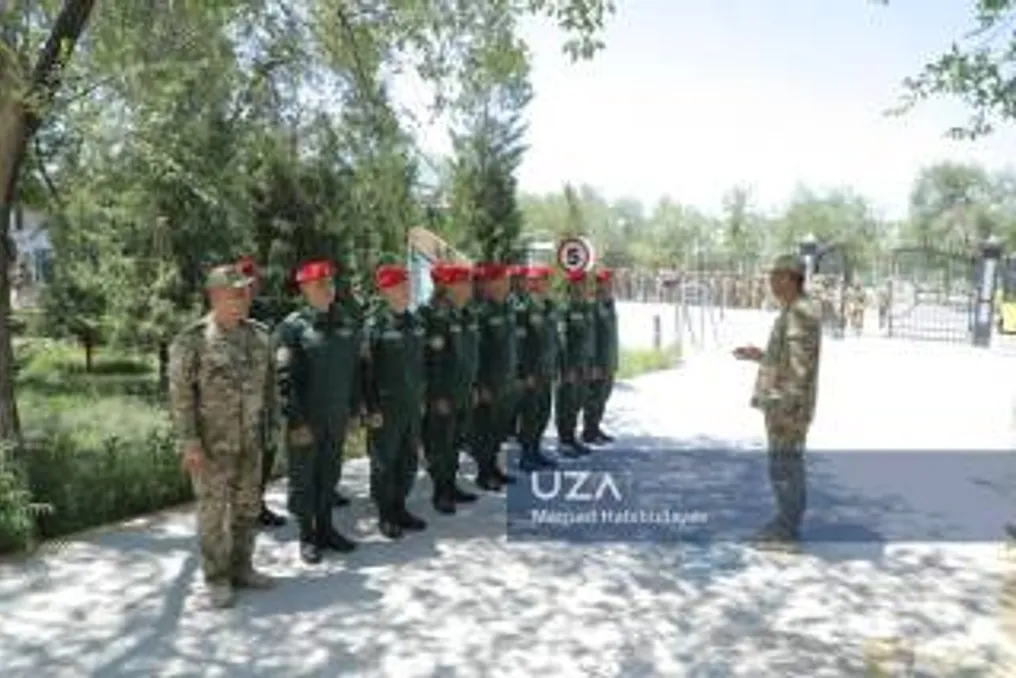
In this regard, all necessary organizational and practical measures have been taken in the military units of the Nukus and Urganch garrisons, as well as in the regional security structures where conscripts serve, to ensure their participation in the tests. The safety of the servicemen was fully guaranteed, control over compliance with established procedures was maintained, and they were able to arrive and participate in the examinations calmly and on time.
Learning and Service Mechanism
According to the introduced procedure, servicemen recommended for admission to a higher educational institution based on testing results will study the first academic course remotely during their service period. After successfully completing military service, they will continue their studies at the chosen university starting from the second year, in full-time education format. This mechanism is recognized as a modern and reasonable approach that guarantees that the youth will not fall behind in either service or studies.
Young people serving in the military are not only brave sons ensuring the inviolability of the Motherland's borders but also future qualified engineers, doctors, educators, lawyers, and experienced specialists. Supporting their efforts to gain knowledge is one of the most important investments in the country's future. The new system promotes the upbringing of youth in the spirit of devotion to the Motherland, the pursuit of knowledge, and high ideals. This historical opportunity, combining military service and higher education, is one of the key reforms in the country's development history, helping to form a perfect generation.