Nelson Mandela remains a towering figure whose example grows more relevant as time passes since his life. The author recalls writing eight years ago about Mandela through the eyes of a child trying to grasp this personality, whose name has become larger than history itself.
The Evolution of the View of Mandela
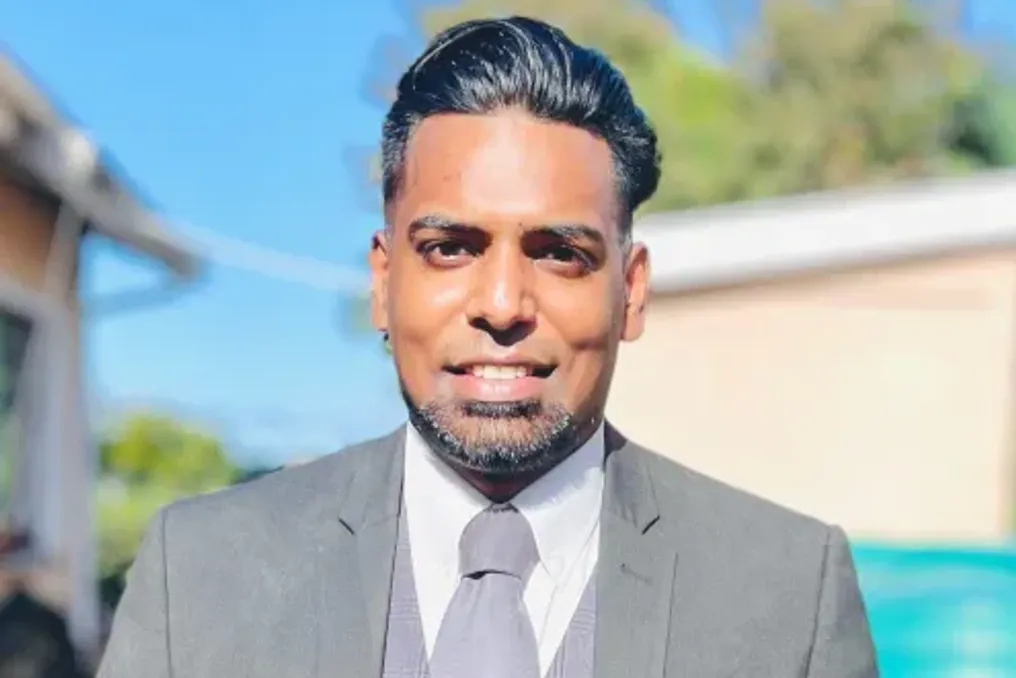
Today, the author writes from a different perspective. He became a lawyer representing workers facing dismissal, families seeking justice, and communities demanding answers. He worked in local government, interacting with people of diverse political views and social strata, spending evenings in public halls where democracy manifests as both noisy and imperfect, yet deeply human.
With age, the author's interest shifted: he focuses less on Mandela as an icon and more on him as a leader. There is a fundamental difference between these concepts: icons inspire admiration, whereas leaders are studied.
The Essence of Mandela's Leadership
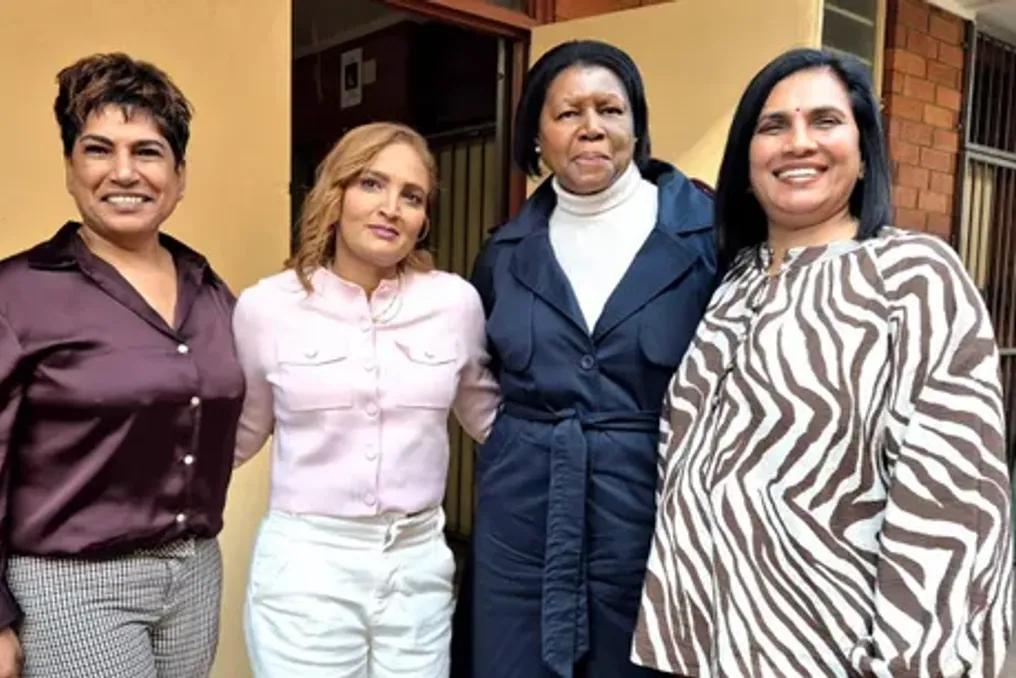
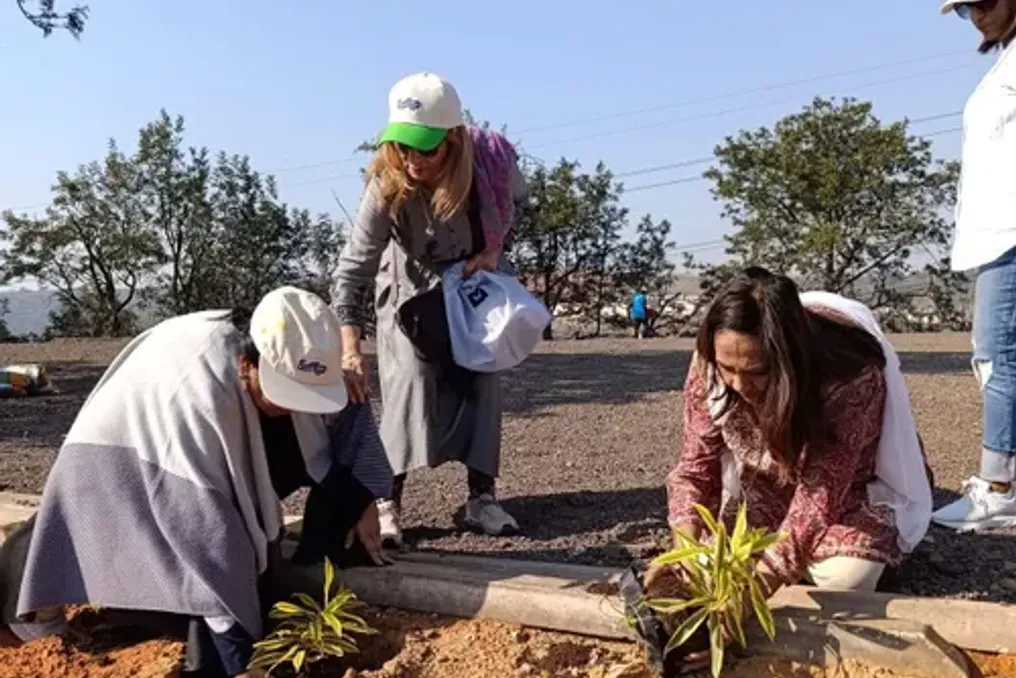
Although people actively commemorate Mandela by holding annual events such as cleaning schools, painting walls, distributing food parcels, and quoting his speeches, the author emphasizes that Mandela never conceived of his life as an annual celebration. His life was a daily challenge for every individual.
The main question is not whether we remember Mandela, but whether he would recognize us. Would he approve of our approach to politics? How we interact with opponents? How we treat public service? How we serve people when there are no cameras?
These questions are important because the very concept of leadership has changed. People often confuse visibility with leadership, popularity with influence, and loudness with quality guidance. Mandela demonstrated something entirely different.
He understood that leadership is not about always being in the spotlight. Sometimes it means quietly supporting others, ensuring their success. Sometimes it is the ability to listen longer than one speaks, and the capacity to accept criticism without letting it breed bitterness.
The Priority of Service Over Recognition
One of Mandela's greatest strengths was not having ready-made answers, but possessing a constant sense of purpose. His goal was never personal enrichment; it was always directed toward the development of South Africa.
In the modern era, many strive for positions before taking on responsibility; titles are pursued more actively than service, and recognition often arrives before one contributes. Mandela completely refuted this trend: service came first, and recognition followed later, or sometimes never came at all.
This is why his legacy endures. The author notes that the greatest work often happens away from public attention—in difficult meetings where people, despite disagreements, choose dialogue over division. This occurs when volunteers spend their own money to help others without expecting thanks, or when communities organize not by command, but out of genuine care for their home. This happens when leaders choose patience over pride.
The Power of Reconciliation and Hope
Mandela also taught a lesson that, in the author's view, has been forgotten: reconciliation was never a weakness, but a demonstration of courage. It is easy to speak kindly to those who agree with us, but much harder to show dignity to those who oppose us. Nevertheless, Mandela knew that nations are built not by endlessly defeating each other, but by creating enough trust so that people with different histories, beliefs, and identities can work together for a common future.
South Africa, along with its communities and families, needs this lesson. Another lesson has become clearer over time: Mandela never asked for them to be the hope of South Africa. He called upon South Africans themselves to become that hope.
We often wait for exceptional leaders to appear. Perhaps Mandela taught us to become ordinary people capable of extraordinary acts: cleaning streets, mentoring youth, protecting public resources, defending the vulnerable, speaking honestly, serving discreetly, and leading humbly. These deeds may never make it into history books, but they are what change history.
Recalling the boy standing before the steel fence at Nelson Mandela Community Youth Centre, the author realizes that he remembers little of the speech Mandela gave that day. He remembers how the presence of one person made thousands believe that tomorrow could be better than yesterday. Perhaps this is the true measure of leadership—not the number of people who know your name, but the number of people who leave your presence believing more deeply in themselves, in each other, and in the future.
Eight years ago, the author wrote about a man he saw. Today, he writes about the standard this man left behind. Mandela's greatest gift was not only freedom but also the reminder that every generation has a choice: to embrace his legacy or continue it. Responsibility, as always, rests with us.