Residents and civil society members of the eThekwini municipality have expressed outrage over the municipality's ongoing financially inefficient management following the publication of a recent audit report. The audit revealed alarming instances of irregular spending and service delivery failures.
State Audit Findings
According to the Consolidated General Report on Local State Audit Outcomes for 2024/2025, presented by Chief Auditor Tsakani Maluleke, only 39 out of 257 municipalities nationwide passed a clean audit. This report demonstrated deeply entrenched poor governance and systemic failures.
The report showed that despite managing a budget expenditure of R71.02 billion—which accounts for 57% of the KwaZulu-Natal municipal budget—the eThekwini municipality has been unable to achieve a clean audit for over ten years. Furthermore, irregular expenditures sharply increased from R3.41 billion in 2020/2021 to R7.80 billion in 2024/25, with eThekwini contributing R4.48 billion, which is 57% of this total.
Infrastructure and Service Issues
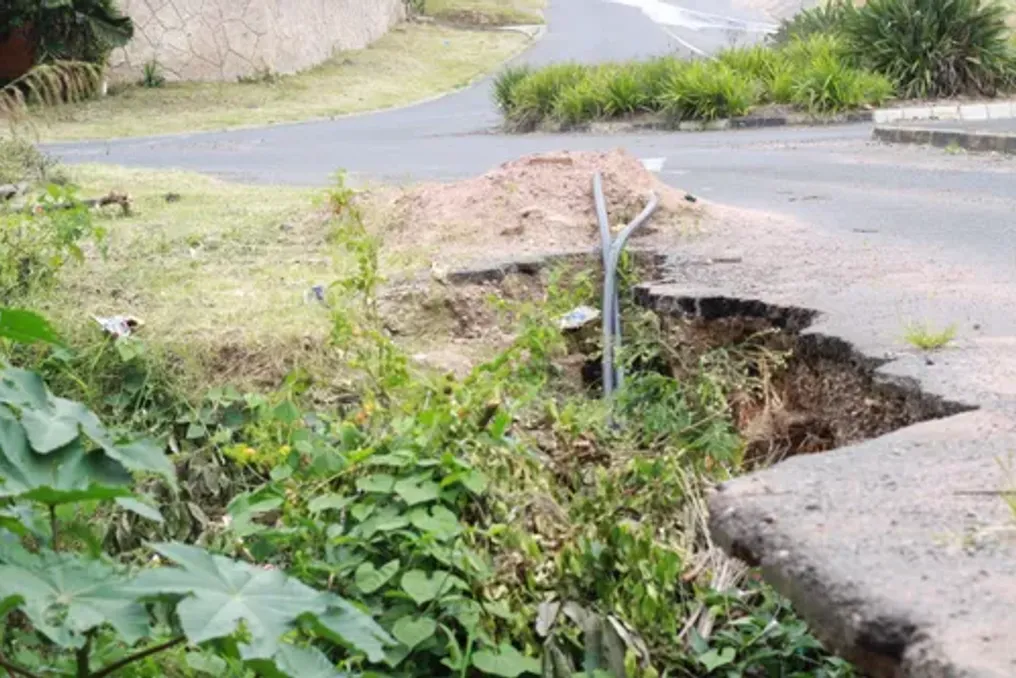
The report also indicated that 98% of the R7.5 billion main infrastructure grant received in 2024/25 was utilized. This grant was intended for infrastructure development and maintenance. Severely damaged roads, poor drainage systems, and sewage leaks were noted in eThekwini and Msunduzi (Pietermaritzburg), indicating inadequate planned maintenance and delays in defect response.
Moreover, in eThekwini and the city of uMhlathuze (Richards Bay), wastewater treatment plants continued to discharge non-compliant effluent, and this issue remained unresolved. The municipalities of eThekwini, Msunduzi, and Indumbi (Dandy) also failed to ensure compliance at landfill sites, combat illegal dumping, and manage environmental risks.
Project Implementation Failures
Weaknesses in project management further hindered service delivery to residents. For instance, the Etafuleni residential project in eThekwini was supposed to be completed in 2014 but remained significantly delayed after 12 years. The report noted that some beneficiaries live in unfinished houses without basic services. This occurred due to poor planning and weak coordination of essential service connections, leading to illegal electricity connections and insufficient water access, posing health and safety risks.
Public Organization Response
Abdul Walodia, chairman of the Overport Ratepayers Association, stated that the report paints a worrying picture of the eThekwini municipality's persistent inability to achieve a clean audit over the last decade. He called it unacceptable for a metropolis of such size and strategic importance. According to him, these failures directly affect the daily lives of eThekwini residents, as ratepayers in areas like Overport continue to pay high taxes but face potholes, frequent sewer blockages, unreliable water supply, and growing protests over service provision.
Walodia emphasized that the most vulnerable populations suffer the most. He urged the municipality to take the findings as a 'wake-up call,' demanding immediate and decisive action, such as strengthening financial controls and eradicating irregular, fruitless, and wasteful expenditure through transparent procurement processes and applying accountability measures to officials who fail to comply with regulations. He demanded that the mayor, city manager, and council present a credible recovery plan with clear timelines and measurable goals within the next quarter.
Rachel Naidu, secretary of the Tongaat Public Association, stated that irregular and wasteful expenditure is unacceptable. She insisted that the municipality must move beyond merely identifying and writing off irregular expenses to ensuring strict enforcement of accountability measures. Naidu called on the city to conduct a thorough review of supply chain processes, as recurring irregular spending related to expired contracts and non-compliance points to a systemic failure in internal controls that must be corrected at the administrative level.
Paul Govender, chairman of the Shalcross Public and Ratepayers Association, noted that while the report caused deep concern, it was not a surprise. He observed that communities have lived with the consequences of municipal failures for years. Govender stated that the municipality must move beyond crisis management and implement a comprehensive strategy for infrastructure renewal, preventive maintenance instead of reactive repairs, competent project management, and transparent procurement.
Yogesh Naidu, chairman of the Reservoir Hills Ratepayers Association, pointed to chronic weaknesses in financial management, including poor budgeting practices, weak revenue and cash flow management, as well as massive water and electricity losses. He noted that for the communities, this translates to unnoticed pipe bursts, deteriorating road conditions, sewer leaks, and housing project delays spanning more than a decade.