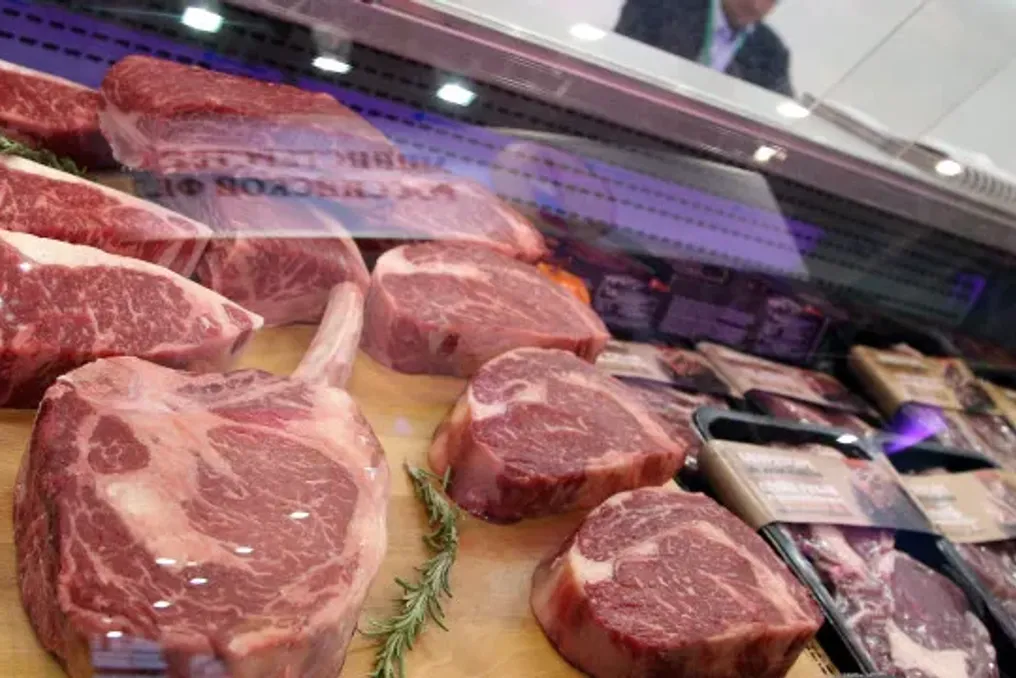
The European Union (EU) has removed Brazil from the list of nations authorized to export animal products for human consumption, with the decision taking effect on September 3, 2026.
Justification for Exclusion
The European Commission based this exclusion on the fact that it considers Brazil is not meeting the criteria related to the use of antimicrobials throughout the life cycle of animals intended for export.
Brazilian Stance
In a statement, the Ministry of Agriculture and Livestock (Mapa) declared that Brazil has not requested any relaxation of sanitary standards from the EU regarding national meat and is awaiting an evaluation of the 'robust technical documentation' by the European bloc.
The ministry informed that technical discussions on sanitary requirements applicable to controlling the use of antimicrobials in livestock are ongoing. According to the note, European authorities have not yet issued a final declaration on the technical documentation sent by the Brazilian government.
Details of Submitted Documentation
Mapa emphasized having provided the EU with detailed data on official inspection mechanisms and governmental guarantees for the production chains covered by European regulations. This documentation covers beef, poultry, eggs, honey, and fishery products.
The Brazilian Government demonstrated how its system ensures verification, inspection, traceability, monitoring, and certification of compliance with European sanitary requirements. The ministry defends the maintenance of this system, considering unacceptable the demand for prior proof of the total implementation of measures that occur gradually throughout production cycles.
Scope of Sanitary Recognition
The government argues that it is the function of official certification and inspection systems to verify this implementation and ensure that only fully compliant products receive export certification. Furthermore, Mapa sought to clarify that including a country in the EU's list of authorized nations does not imply that all its products are automatically fit for export.
For Mapa, this recognition refers to the credibility of the exporting country's official sanitary control system and its capacity to certify only items that fully satisfy sanitary requirements at the time of leaving the country.
International and Sectoral Context
Brazil exports animal products to more than 150 nations, including rigorous markets, and the Brazilian Government uses this to support the international credibility of its official agricultural system. However, the Brazilian Association of Meat Exporters (Abiec) warned last week about the high probability that the sector will fail to comply with EU rules, as the time needed to adapt to sanitary standards would be 30 months.
Official documents recently released indicated that the Brazilian Government attributed part of the responsibility for Brazil's exclusion from the European list to the private sector. In response to the National Congress, Mapa stated that compliance with new sanitary requirements depended 'to a large extent' on Brazilian companies.
Records show that over three years, the government sent several official letters, organized technical meetings, and repeatedly requested that industry entities present proposals capable of meeting EU standards. Documents analyzed by the report also reveal that the European authority criticized the 'repeated lack of complete information' sent by the Brazilian Government between 2023 and 2026.