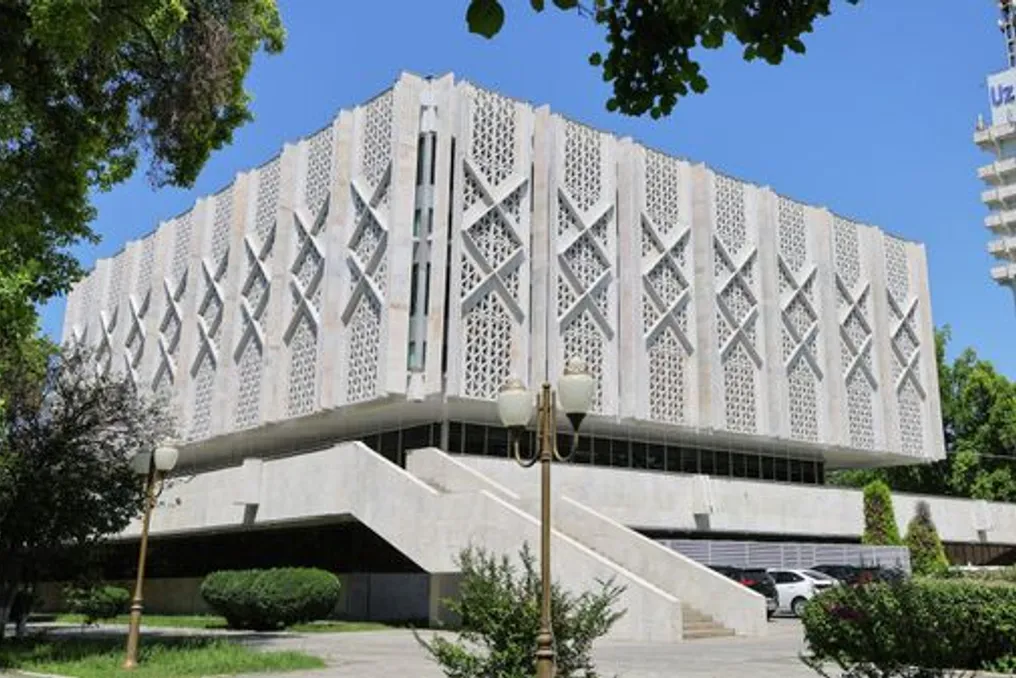
The 'Tashkent Modernism. Contemporaneity and Traditions in Central Asia' site has been included in the UNESCO World Heritage List. According to UNESCO, such structures, built within the framework of Soviet general plans, contributed to the transformation of Tashkent into a modern socialist metropolis.
Decision Making and Nomination
The decision was made at the 48th session of the World Heritage Committee, which took place in Busan, South Korea. The nomination included buildings and architectural complexes constructed between the 1960s and the early 1990s.
Included Sites
The list includes sites such as the 'Pearl' residential building, the 'Cosmonauts' metro station, the State Museum of Arts of Uzbekistan, the State Historical Museum of Uzbekistan, the Palace of Peoples' Friendship, the Tashkent State Circus, the Central Exhibition Hall of the Academy of Arts, the Alisher Navoi Cinema Palace, and the 'Chorsu' market.
Significance of the Sites
In the opinion of UNESCO, these sites reflect the process of reconstruction and development of Tashkent after the 1966 earthquake. They demonstrate how the functional solutions of Soviet modernism harmoniously combine with local features, such as courtyards and aiwans, the climate of Central Asia, and seismic-resistant construction technologies.
Consequences of Inclusion in the List
Inclusion in the list does not mean transferring the objects to UNESCO's management. However, Uzbekistan undertakes the obligation to preserve their universal value, as well as their original architectural appearance and connection to the environment. Construction work on these sites must not damage their historical appearance and main architectural characteristics.
Heritage Protection Requirements
UNESCO documents emphasize the importance of preserving the landscape around the sites, green spaces, urban silhouette, and visual connection between buildings. It is proposed to expand buffer zones for protection and include their boundaries in the state cadastre and general plan of Tashkent. It is also recommended to introduce a temporary moratorium on new construction in visually sensitive areas until appropriate rules are approved, requiring separate assessment of the impact of new projects on the heritage.
Support Opportunities
Currently, these sites have the opportunity to attract technical or financial assistance from the UNESCO World Heritage Fund, international organizations, and partners.