The National School of Arts (NSA) in Braamfontein was filled with energy on Saturday as a new wave of performers took the stage during the Jazz for Young People (J4YP) event. This festival was held with the support of Standard Bank Joy of Jazz.
The National School of Arts (NSA) in Braamfontein was filled with energy on Saturday as a new wave of performers took the stage during the Jazz for Young People (J4YP) event. This festival was held with the support of Standard Bank Joy of Jazz.
Visitors who arrived at the Hoofd Street campus immersed themselves in a celebration that went far beyond just music. Organized by youth for youth, the day combined live jazz with elements such as fashion, photography, and visual arts. The air was filled with the aromas of local cuisine from numerous food stalls. The result resembled a glimpse into the future of South African culture more than a school concert.
This year's lineup was curated by the award-winning singer-songwriter Msaki, who also conducted workshops on entrepreneurship, well-being, and creativity before the festival began. J4YP, launched for the first time in 2024, was inspired by an NSA alumnus and jazz multi-instrumentalist Mpumi Dhlamini, who aimed to support rising talents. NSA Director of Arts, Brenda Sakellarides, noted: 'Mpumi was a catalyst. He is a very proud alumnus of the school and always contributes.'
Sakellarides described the students' work as free, emphasizing that they are 'not limited' and have 'left that box long ago to run towards any horizon with the creativity they possess.' The festival demonstrates that the next generation of the country's jazz stars is already present among the participants. Sakellarides stated: 'This is where you will find the next Zoe Modigas, Mandla Mlangenisa, or Africa Mhizes.' She expressed delight at the recognition that the school is viewed as an incubator for future artists.
The current edition holds special significance as the 50th anniversary of the Soweto Uprising will take place in 2026. For the young performers playing today, this history is close. Freedom of expression is, in a sense, a quiet tribute to what previous generations fought for. Revenue from the event is directed towards maintaining NSA facilities and investing in professional production equipment, which helps sustain the flow for 'tomorrow's artists.' As J4YP becomes part of Joburg's cultural calendar, it offers more than just entertainment—it is a stage where the creativity of the youth sounds loudest long before these names become widely known.
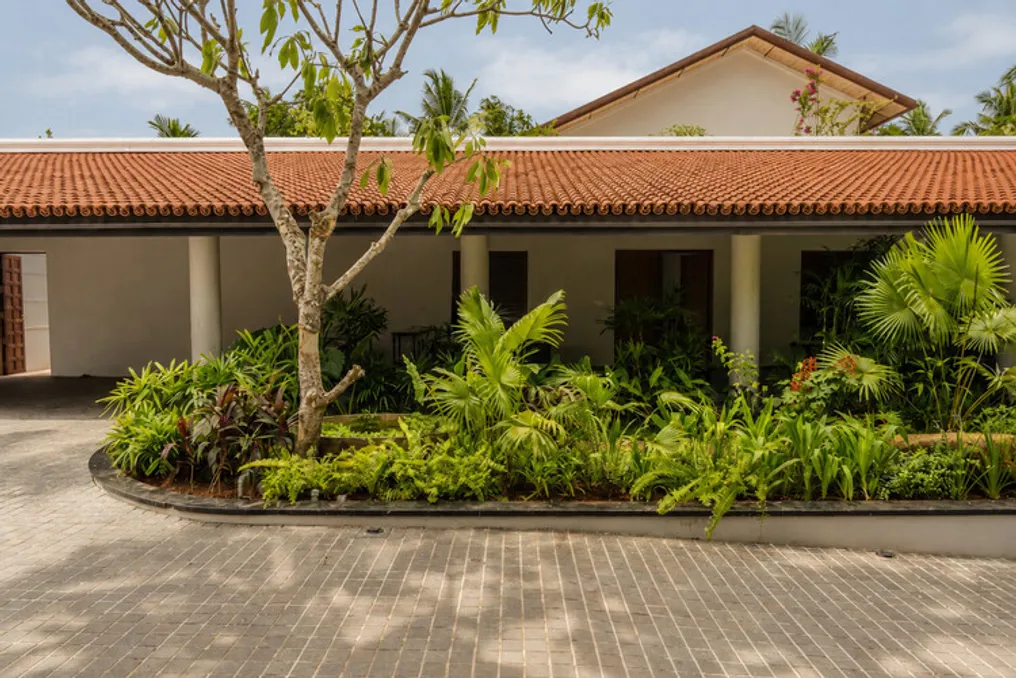
The Ochre Residence, an architectural project, defines its identity directly from earth elements. The chosen name accurately reflects the range of natural materials used in the house's construction.
The material palette employed includes fired terracotta, hardwood, a roof made of coconut wood and natural straw. This combination lends the residence a general atmosphere of unpretentious warmth.
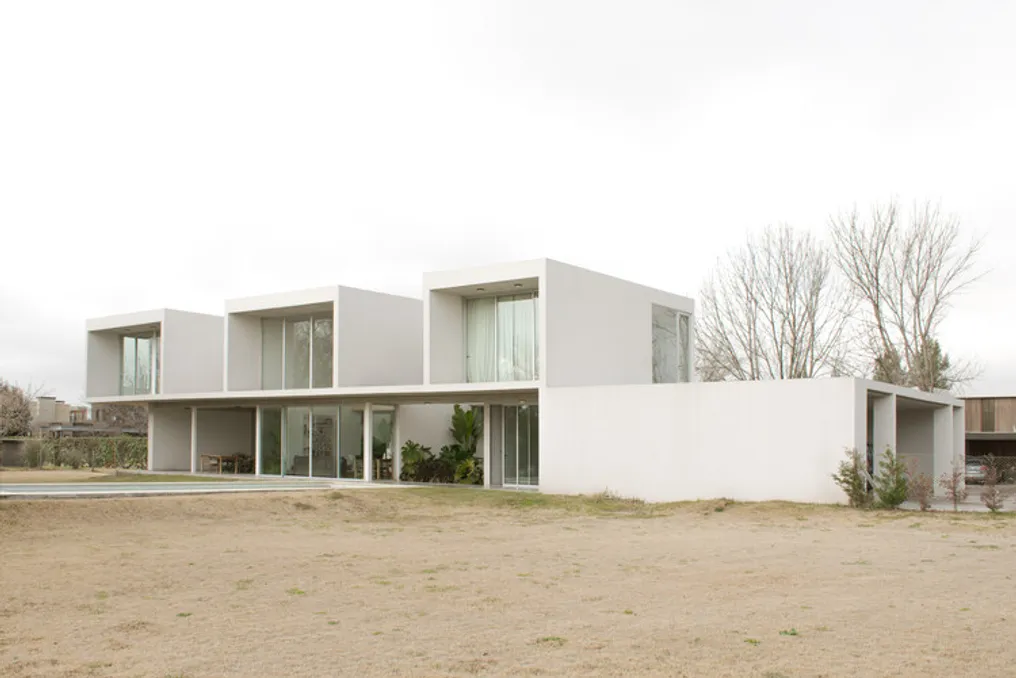
Casa O, an architectural project, is located on a corner lot within a traditional neighborhood in the city of Pilar. The project concept was developed by exploring the contrast between the facades facing south and north.
One facade was designed to create a sense of hermeticism, while the other aims to dematerialize this sensation. The primary objective of the design is to achieve the construction of silence in the residential environment.
The program organization was defined longitudinally, resulting in a 38-meter facade along the property line. This wall, which functions as a blind wall, serves to disguise the main entrance and house the internal residence.
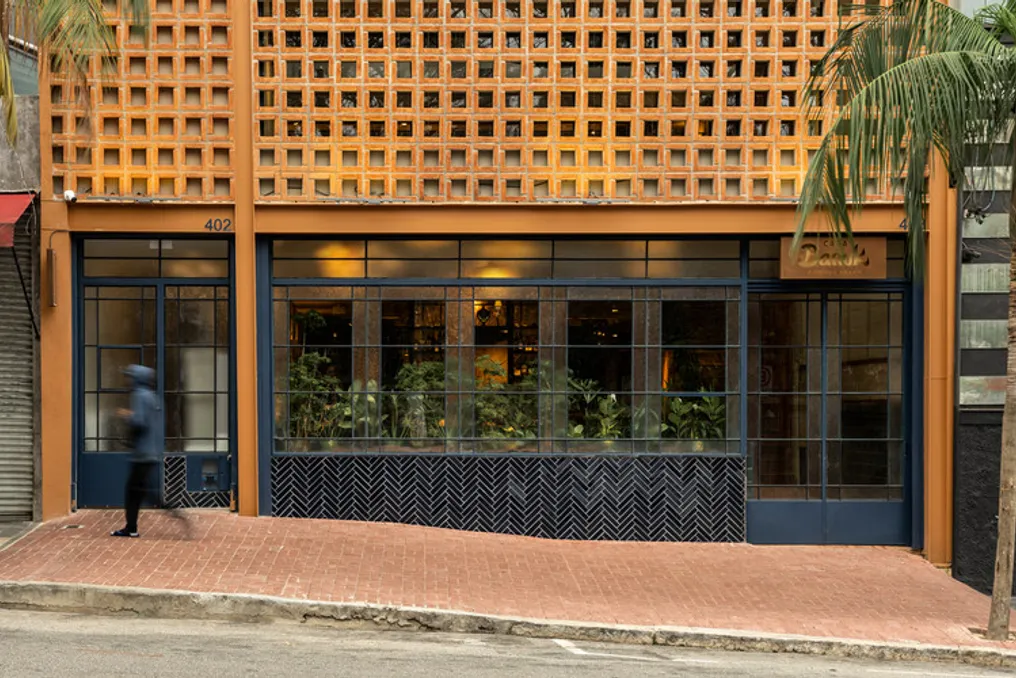
The design team provided a description of the Casa Baruk / Memola Studio Restaurant. Upon entering Casa Baruk, located in Higienópolis, São Paulo, the architecture presents a fusion of different traditions.
The spatial journey was designed to guide the visitor through an immersive experience. In this space, the way the environment is perceived expands almost tangibly, and this sensation is also reflected in the flavors served to the customers.