Choosing the optimal P2P crypto exchange in 2026 depends on several key factors, including the quality of the escrow system, the variety of payment methods, supported fiat currencies, KYC requirements, and dispute resolution speed. A list of the best platforms was compiled based on these criteria.
General P2P Market Trends
All listed exchanges provide protection for every transaction through a reliable escrow, support numerous fiat currencies, and offer incentives, such as registration bonuses, to attract new users. There is a convergence between P2P platforms and traditional exchanges. Many leading exchanges are now integrating their P2P crypto markets with advanced features, allowing users to transition directly from P2P trading to spot or even derivatives trading.
The Merging of P2P and Margin Trading
This shift blurs the line between P2P and full-fledged exchanges for crypto margin trading. It is now easier to buy cryptocurrency locally and then instantly use it in various trading products while avoiding unnecessary fees.
Reviews of Leading P2P Platforms
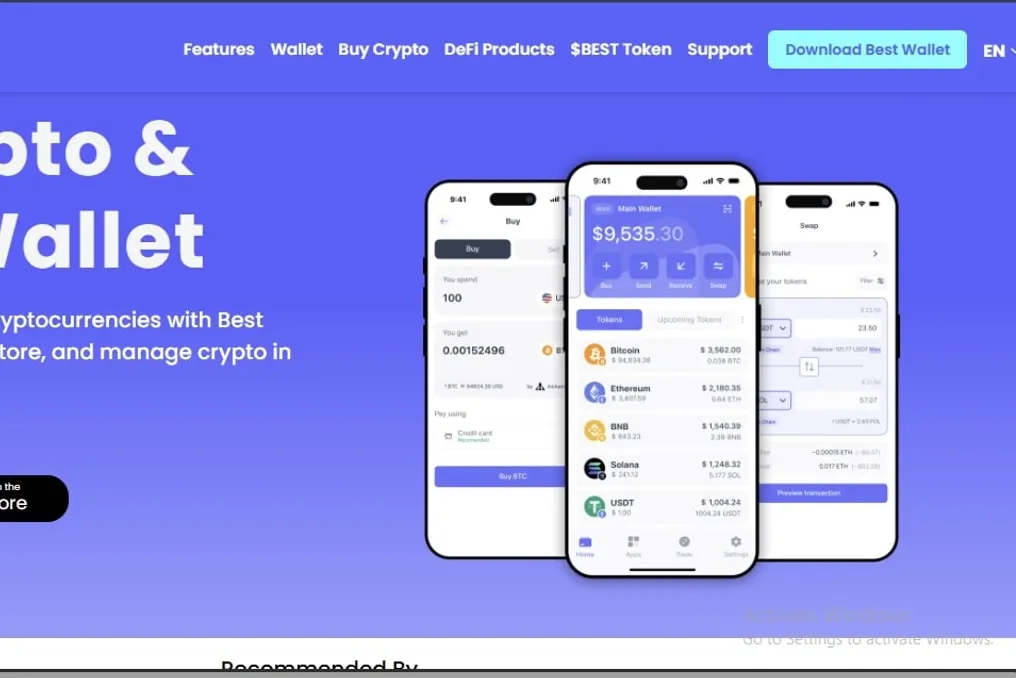
VentureBurn has presented a selection of the best P2P crypto exchanges. Among them, Best Wallet stands out—a platform that combines a crypto wallet and a P2P market in one application without requiring KYC. Best Wallet supports over 1000 coins and accepts bank transfers, PayPal, cards, and local e-wallets.
Trading Conditions on Best Wallet
There are no fees for P2P transactions on Best Wallet; users only pay network fees or the spread. The platform offers a wide range of payment methods, including bank transfer, PayPal, cards, and local e-wallets. Dispute resolution speed is rated as moderate, depending on the platform's support team. Over 1000 coins and tokens are available, and seller security is based on reputation ratings rather than strict verification.
MEXC Analysis
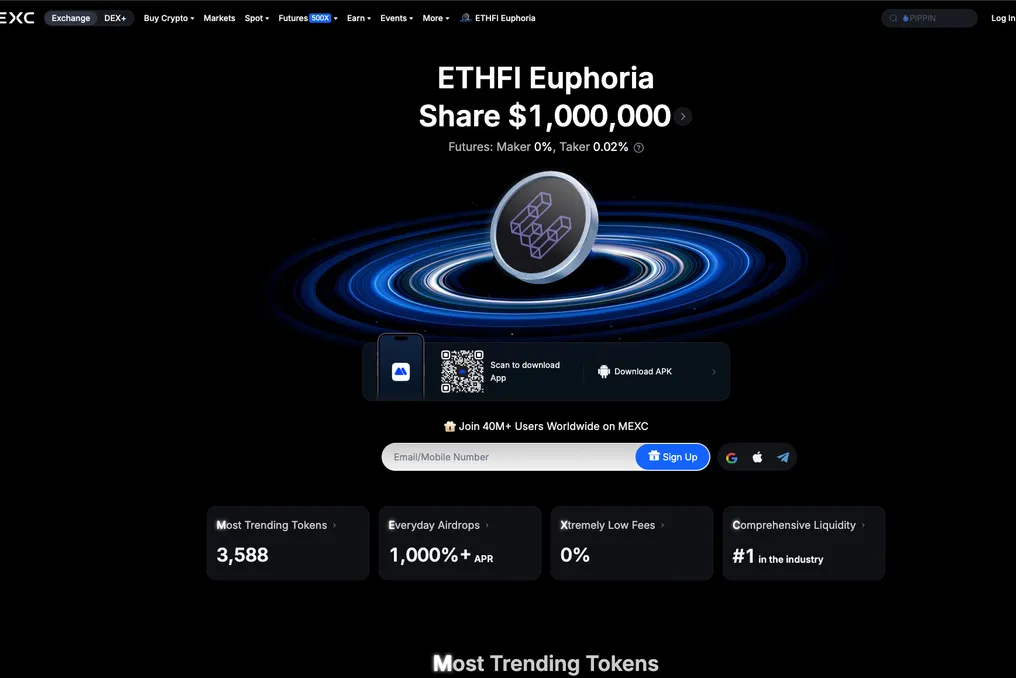
MEXC is positioned as the most economical option for traders seeking deep diversity without extra costs for P2P access, offering zero fees for P2P trading and thousands of altcoins. The platform is distinguished by its large list of altcoins and almost always having zero fees for both spot and P2P trades. There are no fees for P2P transactions, and payment methods include over 30 options, such as bank transfer and mobile payments. Disputes are handled at the speed of a regular exchange. Basic P2P supports BTC, ETH, USDT, and USDC. Sellers are distributed across levels with specific restrictions.
Pros and Cons of MEXC
Advantages include zero P2P fees, thousands of listed altcoins, high liquidity for major pairs, and a reliable mobile application. Disadvantages include regulatory complexities in some countries, fewer payment options compared to leaders, not the fastest customer support, and sometimes low P2P liquidity.
OKX: Payment Diversity
OKX stands out with the widest selection of payment methods in the list, numbering over 900 options. Furthermore, OKX charges zero commission on most P2P trades, providing full access to spot and derivatives trading from a single account. The platform combines advanced trading tools with a strong P2P infrastructure, usually without a fee for P2P trading. P2P transaction fees are zero or very low, especially when using an OKX referral code. Over 900 payment methods are available, including global options and bank transfer. Dispute support is generally reliable. BTC, ETH, USDT, and other coins are available via Express Buy. Sellers undergo standard verification levels.
Pros and Cons of OKX
OKX's strengths include zero fees for most P2P trades, a huge variety of payment methods, deep liquidity thanks to users worldwide, and the presence of spot and derivatives markets in one place. Weaknesses include reports of issues with NGN support in some regions, excessive documentation, support dependency on region, and KYC requirement to access all features.
Binance: Largest User Base
Binance boasts the deepest P2P liquidity and the largest user base among the platforms presented. The exchange supports over 300 payment methods, provides reliable escrow protection, and has the fastest dispute resolution team in the industry. P2P on Binance is the primary choice for peer-to-peer crypto trading globally, offering deep liquidity and support for numerous fiat currencies. Most P2P trades are commission-free, although market makers may pay up to 0.35% including discounts via the Binance referral code. Over 300 payment methods are available, including bank transfer, PayPal, and mobile money. Disputes are resolved quickly due to the large support team. Numerous coins are supported, such as BTC, ETH, BNB, USDT, and DAI. Sellers undergo verification and receive reputation ratings.
Pros and Cons of Binance
Advantages include perhaps the deepest P2P liquidity, a large number of payment options, reliable escrow protection, and fast dispute resolution. Disadvantages include mandatory KYC for most features, inconsistent fees, regulatory issues that may block access in some countries, and the platform itself can seem complex for beginners.
Bybit: Fast Trades
Bybit suits traders who value fast execution alongside full access to derivatives from a single account, offering zero P2P fees, over 60 fiat options, and a fast, reliable interface. Bybit combines robust derivatives trading and a P2P market where trading fees are usually waived. For those looking for a P2P platform for quick trades, Bybit is an ideal choice. Most P2P trades are free. Over 60 fiat options are offered. Dispute support is fast and reliable. BTC, ETH, USDT, and USDC are supported. Sellers have multi-level verification.
Pros and Cons of Bybit
Bybit's positives include no P2P trading fees, a powerful derivatives platform, fast trades, and a smooth interface, along with a proven reputation. Negatives include fewer coins compared to Binance, the need for KYC for full access, a less wide selection of payment options than major players, and variable support speed.
BingX: Anonymity
BingX is the most privacy-friendly option on the list, offering zero P2P fees, over 300 payment methods, and no mandatory KYC for basic services. BingX stands out for combining P2P with social trading and automated bots, while the P2P functionality itself remains simple. No commission is charged for P2P trades. Over 300 payment methods are available. Dispute resolution speed is average. The main coin supported in P2P is USDT. Basic verification is required.
Pros and Cons of BingX
BingX's advantages include a large number of payment options, built-in social and copy-trading features, a beginner-friendly pricing policy, and no P2P fees. Disadvantages include only USDT being offered in P2P, low P2P trade liquidity, a smaller established position compared to Binance, and slow support.
KuCoin: Global Traders
KuCoin provides global traders with a reliable selection of altcoins with zero P2P fees and optional KYC, offering over 100 payment options. The KuCoin P2P platform supports many fiat payment methods and does not charge trading commissions. Seller limits depend on the verification level. KuCoin simplifies P2P trading for its global audience. P2P trading fees are zero. Over 100 fiat/payment methods are available. Dispute resolution speed is generally good, although some users report delays. BTC, ETH, KCS, USDT, and USDC are supported. Seller verification is tied to the KYC level.
Pros and Cons of KuCoin
KuCoin's advantages include free P2P trading, a vast range of payment options, a solid selection of altcoins, and flexibility due to optional KYC. Disadvantages include a smaller P2P volume compared to Binance, some service interruptions in Nigeria, inconsistent support, and P2P limitations before verification.
Bitget: 24/7 Support
Bitget is known for its 24/7 customer support and working only with verified sellers, offering zero fees for users with a referral code for BTC, ETH, USDT, USDC, DAI, WLD, and BGB.