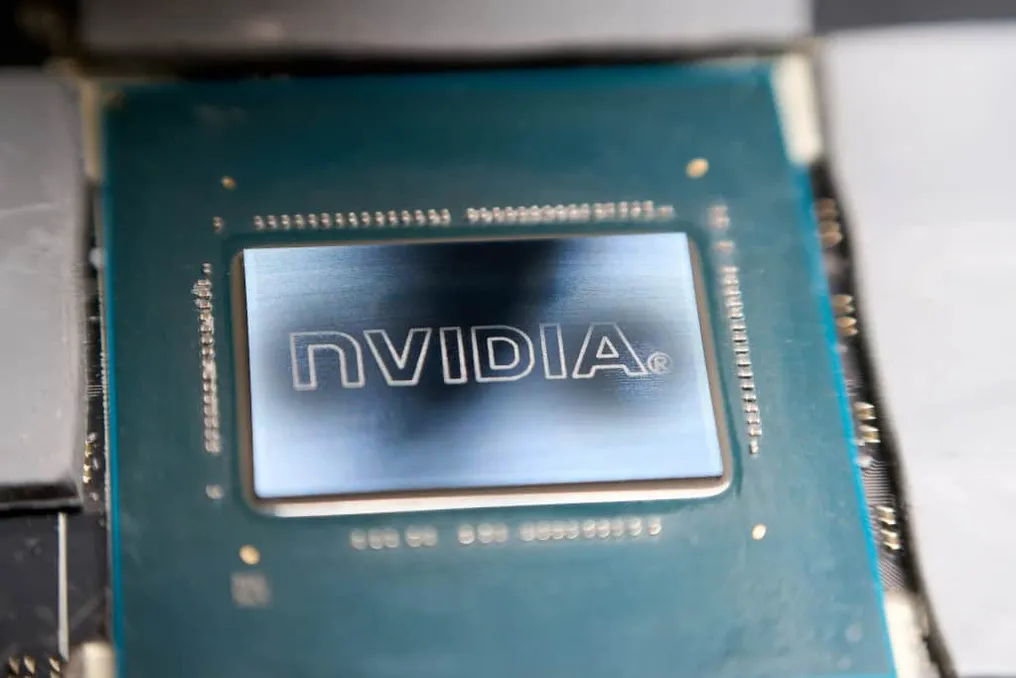
Nvidia has begun shipping a limited quantity of its H200 artificial intelligence chips to China after receiving governmental authorizations from the United States. This news was disclosed during a Congressional hearing in Washington by an American trade official this Tuesday (14th).
Technological Conflict and Restrictions
This shipment involves one of the most sophisticated processors from the American company and occurs within the context of the technological dispute between the United States and China. This rivalry is marked by export restrictions on semiconductors classified as strategic for military purposes.
According to the U.S. Department of Commerce, only a very small volume of units has been released so far. Although Chinese companies have obtained specific permits to acquire these components, the extent of future sales still awaits security assessments and complementary approvals.
Shipment Details and Involved Companies
Jeffrey Kessler, U.S. Deputy Under Secretary of Commerce for Industry and Security, confirmed the first shipments of the H200 during a session of the House Foreign Affairs Committee. He stated that exports made to date have been minimal.
The American Department of Commerce reported that approximately ten Chinese companies had already received authorization to purchase the chips in May, but no deliveries had been finalized at that time. Among the approved companies were Alibaba, Tencent, and ByteDance (responsible for TikTok).
Additionally, a unit of the Chinese telecommunications equipment manufacturer ZTE and two other Chinese companies were recently included in the list of companies authorized to acquire the advanced AI chips produced by Nvidia and AMD.
Government Controls and Political Tensions
The U.S. government maintains rigorous controls over the sale of sensitive technologies to Chinese entities. Companies listed under restrictions must obtain specific licenses before receiving any product, software, or equipment originating from the United States.
The commercialization of the H200 has become a central point of contention in the technological dispute between the world's two largest economies. Washington alleges that high-performance semiconductors can be used in Chinese military projects, seeking to limit Beijing's access to such technologies.
During the hearing, Congressman Gregory Meeks, the Democratic leader of the House Foreign Affairs Committee, criticized the management of American export policies. He argued that the control measures lost effectiveness when used as a bargaining tool in relations with China.
The legislator suggested that President Donald Trump turned export controls into a bargaining chip in broader negotiations with Beijing, questioning the decisions that granted licenses for the shipment of advanced AI chips.
Questions Regarding More Advanced Chips
Kessler defended the actions of the Department of Commerce, emphasizing that the priority is ensuring compliance with current restrictions. He also indicated that new regulations related to artificial intelligence and semiconductors may be announced in the future.
In addition to questions about authorized exports, lawmakers raised uncertainties about potential issues involving even more advanced Nvidia chips. Republican Congressman Bill Huizenga questioned the Department of Commerce guidelines regarding possible irregular acquisitions of Blackwell chips by Chinese subsidiaries located outside the country.
Kessler responded that companies receiving components without authorization must voluntarily report any violations. However, Huizenga insisted that the government should establish a more defined stance on retaining this equipment.
Market Outlook
Historically, Nvidia has shown great interest in the Chinese artificial intelligence market, viewed as one of the largest centers of technological development. However, the company has faced commercial limitations imposed by the United States, which restricted some of its products destined for the Asian country.
The H200 belongs to Nvidia's Hopper generation and is considered an older model than the Blackwell chips, which offer superior performance. The permission to sell to China represents a chance to partially reverse the manufacturer's revenue in this market.
It is not yet determined whether China will permit large-scale purchases of these processors. If access to American chips remains restricted, Chinese companies may opt for domestically developed solutions, which are considered less advanced for training artificial intelligence systems.