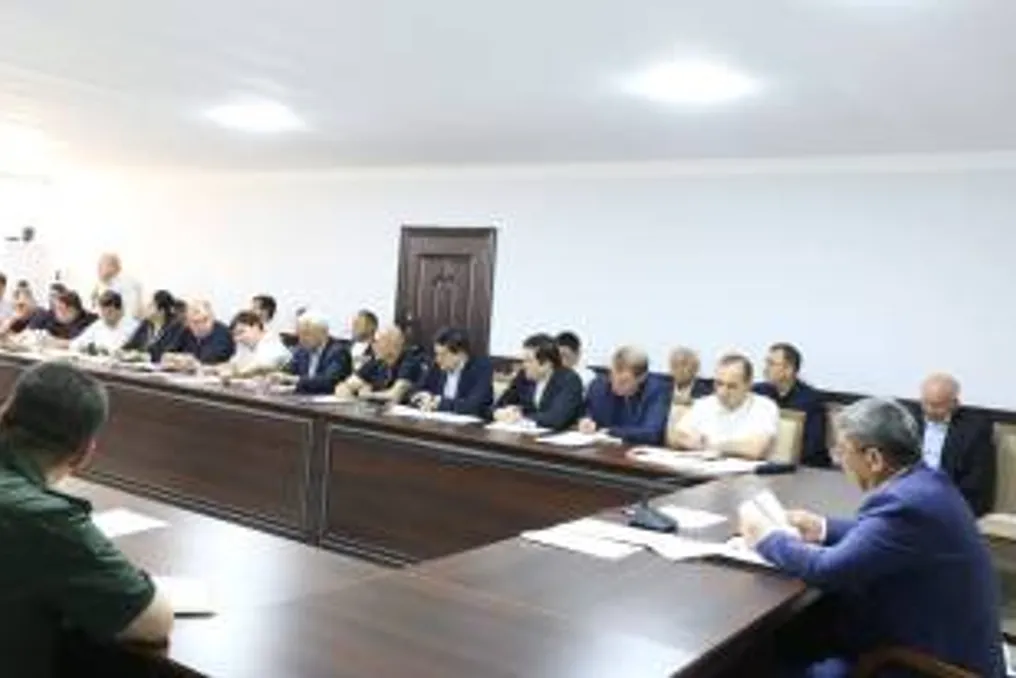
A critical and analytical review was conducted in Zhizakh of programs aimed at improving the quality of life of the population, modernizing mahalla infrastructure, and reducing poverty. At a meeting chaired by the region's head, Ulugbek Mustafayev, the level of effectiveness of work under the 'Initiative Budget' and mahalla-level programs was analyzed in detail, and specific mechanisms for eliminating existing problems were identified.
Citizen Involvement and Transparency
It was emphasized that projects formed based on citizen initiatives and selected through voting are becoming an effective tool for ensuring openness, transparency, and public control in mahallas. This approach not only expands the participation of the population in public administration but also allows for addressing the most pressing needs of the mahalla in a targeted manner.
Funding and Project Results
To date, 1 trillion 100 billion sums have been allocated from the budget funds within the 'Initiative Budget,' which has allowed for the financing of thousands of projects. As a result, issues related to roads, engineering and communication networks, social facilities, and other infrastructure affecting the daily lives of the population have been resolved in stages in 241 mahallas across the region.
Examples of Successful Implementation
Practical results were analyzed at the meeting. In particular, the Khalqobod mahalla in Sharof Rashidov district has won the 'Initiative Budget' projects six times. Thanks to this, all dirt and earth roads in the mahalla have been completely renovated, creating a comfortable transport environment for residents.
Poverty Reduction and Economic Development
Measures to reduce poverty were examined separately. The experience of the Bogishamol mahalla in Pakhtakor district was recognized as an effective model. In this mahalla, thanks to the allocation of preferential loans for heating in 100 households, the annual income of families increased several times. Furthermore, directing produced goods to export contributes to the sustainable growth of the local mahalla economy.
Tasks for Local Authorities
In this regard, all city and district heads were tasked with intensifying systematic work to increase the number of income-generating projects in each region, especially by attracting unemployed youth, citizens returning from military service, and needy families to entrepreneurial activities.
Alignment with National Programs
These tasks align with the priority directions established in the President's decree on the first measures to implement the 'From Poverty to Prosperity' program dated September 23, 2024. In accordance with this decree, comprehensive measures are being implemented to improve infrastructure in the most disadvantaged mahallas, ensure employment, and expand sources of income.
Infrastructure Improvements and Energy
It was noted that 145 billion sums were allocated under this program to provide water and electricity to 58 disadvantaged mahallas in the region. These funds allowed for the commissioning of important facilities such as water supply structures, pumping units, wells, electrical networks, and transformers, significantly improving the engineering infrastructure of the mahallas.
Energy Efficiency and New Standards
A critical discussion was also held regarding infrastructure development based on energy-saving technologies. It was noted that the transition of wells and pumps to alternative energy sources is slower than expected. Currently, solar panels are installed in only 16 facilities, and strict targets have been set for the phased transition of all pumps to energy-saving systems. Responsible organizations have been instructed to legalize the necessary cadastral documents within one week.
Mahalla Development in a New Image
Special attention was paid to programs for forming mahallas in the 'New Uzbekistan' image and developing hard-to-reach areas. 553 billion sums have been allocated in this direction for 266 facilities. Problems slowing down construction work were analyzed from both sides, and clear instructions were given to clients and local administrations on promptly identifying contractors, resolving all organizational issues in a short time, and handing over facilities for use within the established deadlines.
Control and General Conclusions
Following the meeting, strict requirements were set for city and district heads, industry leaders, and clients to ensure the uninterrupted execution of assigned tasks, as well as to establish constant control over the quality, deadlines, and effective use of funds at every facility.
It was concluded that the implementation of mahalla-level programs, the 'Initiative Budget,' and the 'From Poverty to Prosperity' program is becoming an important factor in the comprehensive development of territories. Importantly, this process goes beyond simple infrastructure improvement, as it contributes to expanding permanent sources of income for the population, ensuring employment, and strengthening the well-being of every family.