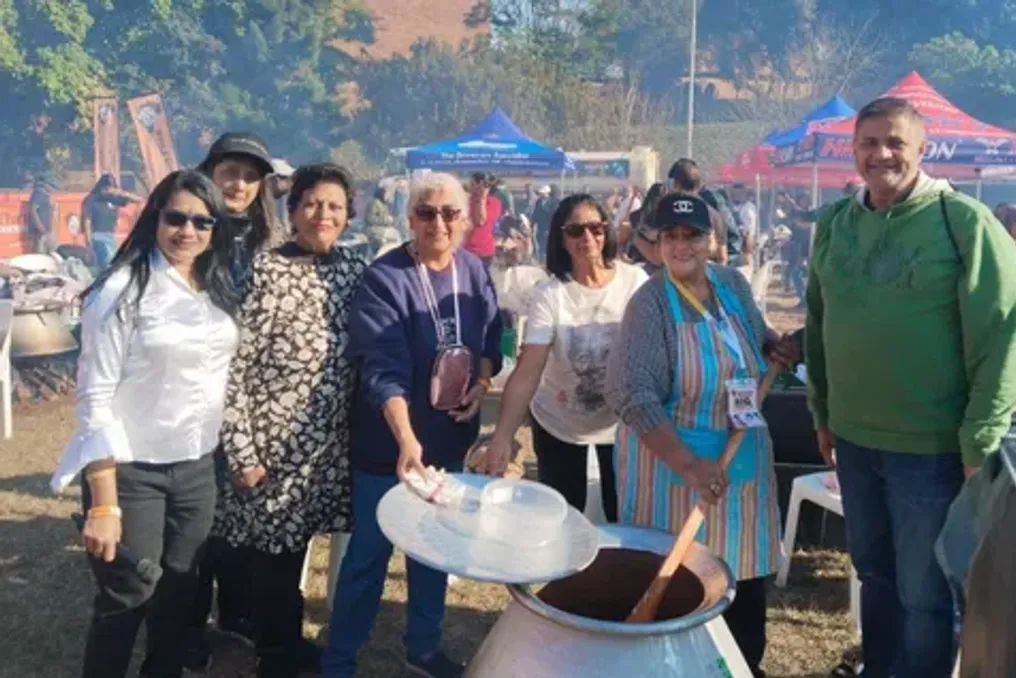
Food for Love Africa recently conducted its annual community aid initiative called The Big Feed at the TPA primary school. As part of this event, 108 portions of vegetable biryani were prepared, equivalent to approximately 27,000 servings.
Food for Love Africa recently conducted its annual community aid initiative called The Big Feed at the TPA primary school. As part of this event, 108 portions of vegetable biryani were prepared, equivalent to approximately 27,000 servings.
This edition of the project, which took place in 2026, was the largest and most demanding event for the organization to date. It held special significance as it coincided with Mandela Day. The prepared food was subsequently distributed in and around the city of Pietermaritzburg.
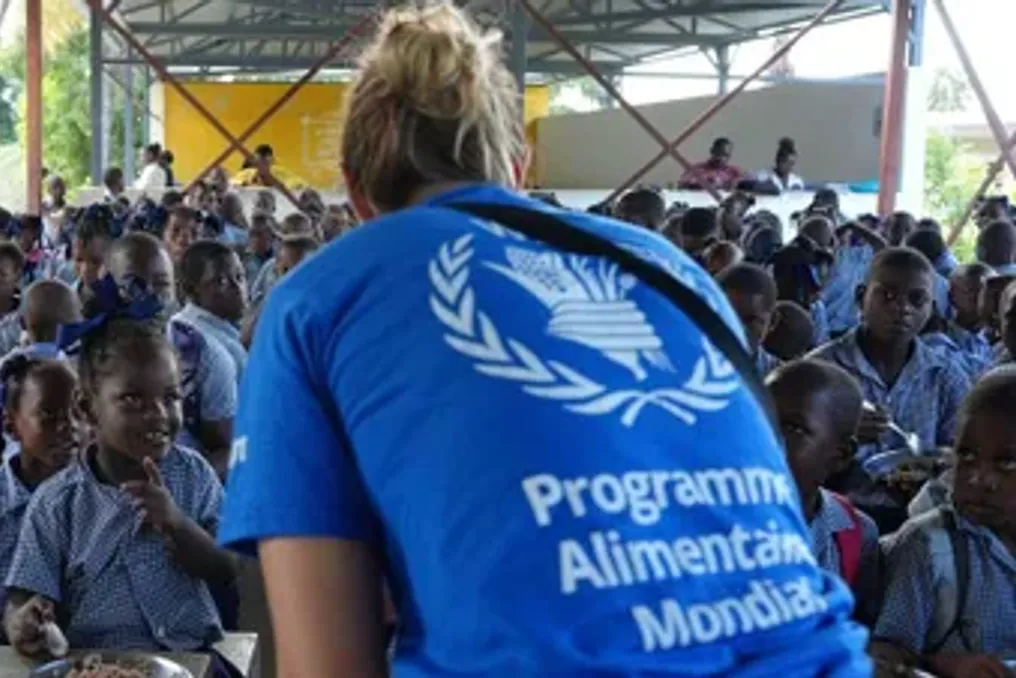
The organization, which operates with the support of a group of volunteers, works year-round to promote positive social change by helping combat hunger. Food for Love Africa is a registered non-profit organization whose goal is to support marginalized communities through large-scale food distribution initiatives and community development projects.
Paras Maharadji, one of the directors of the Food for Love Africa branch in Pietermaritzburg, noted that the 2026 The Big Feed project employed a two-pronged approach. It not only commemorated the legacy of Tata Madiba but also addressed the critical issue of food insecurity by supporting needy populations and organizations in the region.
He highly praised the work of the volunteer team, who played a crucial role in coordinating such a large-scale logistical task. Maharadji emphasized that preparing the sports field infrastructure at the school took a week of intensive planning and work. Cooking on the day of the event was only a small part of the entire behind-the-scenes preparation.
The team ensured a smooth and methodical sequence of events, including adherence to safety standards on site, transportation of prepared meals, and hosting an entertainment program. Maharadji stated that preparing 108 portions was a massive logistical undertaking, but witnessing the direct impact on the Pietermaritzburg community made every minute worth the effort.
He added that on that day, culinary teams were formed from representatives of businesses, families, and corporations that sponsored one or more pots. The NGO itself provided the recipes, kitchen utensils, and ingredients for the biryani and cooking stoves. Maharadji noted that observing different teams cooking at their assigned stations embodied the true spirit of Ubuntu.
Food for Love Africa relies on community and corporate sector support, as well as the energy of its volunteers, to maintain weekly feeding programs and various support initiatives throughout the year. As part of its commitment to the community, the Food For Love Africa Operational Team (FFLA) is currently implementing two long-term projects at the TPA primary school in Northdale.
The first project involves installing a water source, which will significantly reduce the school's municipal water costs and guarantee students and staff access to a vital resource—clean and reliable water. The second project aims to illuminate the school's sports fields, creating a safe and well-lit environment where children and local community members can engage in sports, exercise, and recreation in the evenings.
This initiative is intended to promote healthy lifestyles, strengthen community engagement, and provide youth with a safe gathering place after school. The organization's mission is not only to feed hungry stomachs but also to nourish communities by creating opportunities, restoring dignity, and leaving an indelible mark where they work. These projects reflect Food For Love's belief that serving the community goes beyond simply providing food, as investing in sustainable infrastructure helps build stronger, healthier, and more resilient communities for future generations.
According to the latest United Nations report on global food security, Africa is now the region with the highest number of hungry people in the world, surpassing Asia. In 2025, the continent faced a severe hunger problem affecting 309 million people.
The report, jointly prepared by the Food and Agriculture Organization (FAO), the International Fund for Agricultural Development (IFAD), UNICEF, the World Food Programme (WFP), and the World Health Organization (WHO), presents a mixed picture of the situation on the continent. Estimates suggest that in 2025, 7.8% of the world's population suffered from hunger, amounting to about 645 million people. This figure is a decrease compared to 8.1% in 2024 and 8.6% in 2022, indicating a reduction in the number of hungry people by almost 14 million compared to 2024 and by 43 million compared to 2022.
Although the level of hunger in Africa showed signs of stabilization after a period of deterioration, the continent remains the most vulnerable to food shortages globally and is expected to bear the greatest burden of hunger by the end of the decade. In 2025, according to the report, approximately one in five Africans, or 20% of the continent's population, faced hunger. For comparison, hunger affected 6% of Asia's population and 4.8% of Latin America and the Caribbean residents.
The report noted that although global hunger has been decreasing for the third consecutive year, Africa's share among the world's hungry population continues to grow. Maxime Torero, FAO Chief Economist, stated that ongoing geopolitical instability, including the conflict in the Middle East in 2026, could undermine recent progress by disrupting food markets and increasing pressure on Africa and Asia. He predicts that by 2030, up to 510–520 million people worldwide may still face hunger, depending on the duration of the crisis's impact on food inflation, which is driven by rising energy and fertilizer prices.
Torero also emphasized that this year's study examined the cost of healthy eating as a major reason for the significant rise in obesity and overweight among adults, as a healthy diet remains unaffordable for billions of people today.
Despite the grim forecasts, the report noted an encouraging point: 'the continuing upward trend of hunger in Africa has stopped,' indicating the first improvements on the continent since the adoption of the Sustainable Development Goals in 2015. However, the report warns that healthy food remains financially inaccessible to a large part of the African population. In 2025, about 66.6% of Africans could not afford a healthy diet, more than double the corresponding figures for Asia (28.9%) and Latin America and the Caribbean (25.7%).
The average cost of a healthy diet in Africa in 2025 reached $4.35 USD on a purchasing power parity per person per day, reflecting persistent inflationary pressure and rising food prices. Structural factors contributing to the high cost of nutritious food in African countries include low agricultural productivity, inadequate transport infrastructure, weak logistics networks, expensive electricity, limited cold chain facilities, and insufficient investment in agricultural research and development.
Torero noted that subsidizing and supporting high-value goods leads to a reduction in the cost of healthy food. He concluded that a combination of policies investing in hard infrastructure, necessary at both the value chain and market access levels through roads, and policies aimed at reducing the cost of high-value goods will enable a reduction in the cost of healthy food.
Animal products are the most expensive component of a healthy diet in Africa, making balanced nutrition particularly difficult for low-income households. Nutritional indicators are also concerning: only 20.5% of African children aged six to 23 months receive a minimally diverse diet, and only 43% of women aged 15 to 49 achieve minimal dietary diversity—the lowest rate among all global regions. Although Africa is making progress in reducing child stunting and is on track to meet global goals on child malnutrition and overweight, anemia among women continues to worsen globally, and overall nutritional improvement is too slow to meet international targets by 2030.
Food Indaba 2026 is a major event dedicated to sustainable food and culture in Cape Town, where traditions meet an emphasis on water resources, well-being, and community spirit. This annual event takes place from July 20 to August 2 and is organized by the SA Urban Food & Farming Trust.
The event is aligned with the spirit of Mandela Day and the principle of Ubuntu. Instead of academic lectures, Food Indaba 2026 offers over 17 immersive events across the City Bowl, focusing on locally sustainable food. This year's central theme is ROAR (Water and Food Systems: Rivers, Oceans, Aquifers, and Precipitation).
As climate change intensifies, collective well-being is being tested. Food Indaba 2026 demonstrates how local communities, urban farmers, and leading chefs collaborate with nature to protect mental, physical, and social health.
Various experiences are offered to understand and support the invisible networks that feed the city, immersing participants in Cape Town's sustainable food cultures.
Walking Gastronomic Tours (July 21–23) are held in the Bellville, Langa, and Central Business District (CBD) areas. These tours differ from standard excursions: participants explore the vibrant informal economy of taxi ranks in Bellville, learn about community-led composting initiatives in Langa, and trace the ancient freshwater sources that sustained the first residents of the CBD.
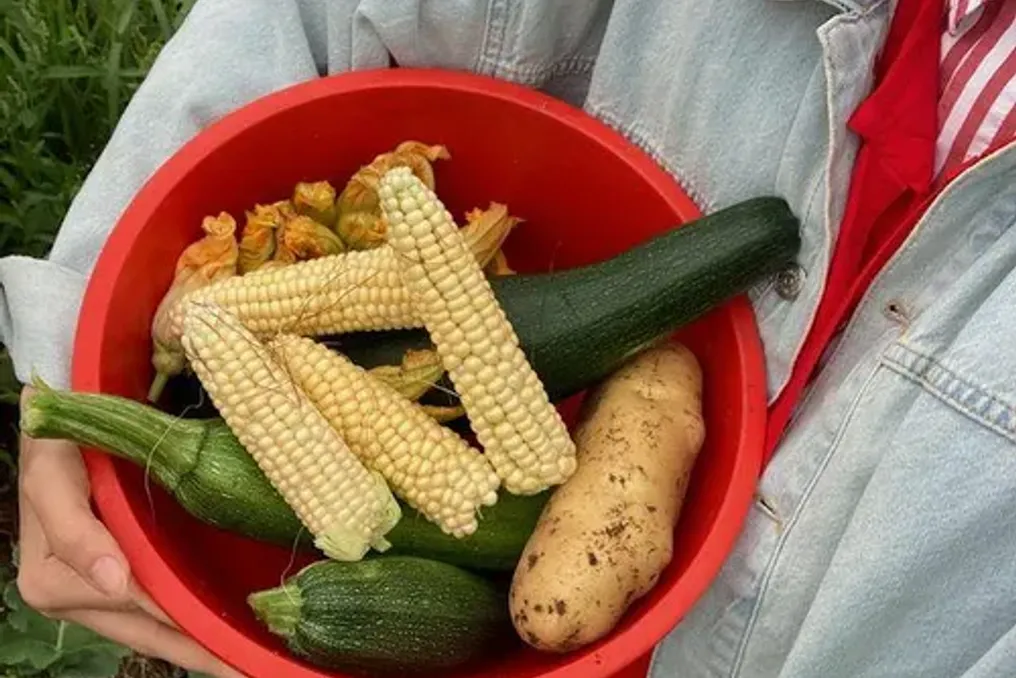
At the MRKTPLC market (July 25–26) in Makers Landing, visitors can see Cape Town's live food culture before it becomes mainstream. This vibrant market features 15 young food entrepreneurs from lesser-known corners of the city, offering unique snacks, small-batch spices, and traditional pantry items.
Food is viewed not just as energy, but as a carrier of memory, culture, and medicine. Exclusive events explore how the wild South African landscape can contribute to improving our relationship with food consumption.
As part of a workshop at Wolfgat (July 23 at Makers Landing), Chef Kobus van der Merwe and his team leave Paternoester to conduct an intimate and rare lesson in the city. Participants will gain insight into how the menu at their world-renowned restaurant is determined by wild coastal ingredients, Strandveld succulents, and small-scale sustainable fishing.
The World of Mouth: Wetlands Within event (July 25 at Tauyaa Wine Room) is a multi-sensory, story-based dinner prepared by Li and Lerato Waters-Myn (Mpintshi Yum). The menu, created using carefully sourced ingredients and a traditional herbal tea ceremony, beautifully illustrates the journey of water through the earth, the human body, and collective memory.
High-energy workshops have been developed to inspire the next generation of environmentally conscious citizens, turning sustainability into a game.
At the WATERLESS Cooking Jam youth food fair (August 1 at Soute by Food Jams), forty teenagers will be challenged to create an incredible dish without using any water. Instead, they will study methods of perspiration, pressing, and steam capture to extract moisture directly from raw ingredients.
For children aged 6–12, there is an interactive WATER Lab (August 1 at Cape Town Science Centre) that makes water conservation tangible and edible. Children will learn how desert plants, coastal fog, and local knowledge help conserve water in challenging conditions.
For those who wish to feel more grounded and inspired, opportunities are provided to step away from screens and connect with those who grow our food. 'Tea with a Farmer' sessions (August 1 at Oranjezicht City Farm and Langa) invite conversation with passionate urban growers over freshly brewed herbal tea. This space is for discussing water-wise agriculture, local cultural knowledge, and the benefits of being on the land for mental health.
A panel discussion on regenerative agriculture (July 23–26) is designed for an in-depth exploration of well-being theory. These panels bring together soil specialists, ethical consumers, and food writers to discuss the real challenges of responsible sourcing and changing the world through narrative.
Food Indaba is the perfect opportunity to celebrate the spirit of Mandela Day by interacting with the people who are making our food systems stronger, smarter, and more unified.