Millions of students in South Africa face a serious obstacle to education due to a severe shortage of school desks and chairs, highlighting the urgent need for equitable solutions to give every child a chance to succeed.
Current Furniture Situation
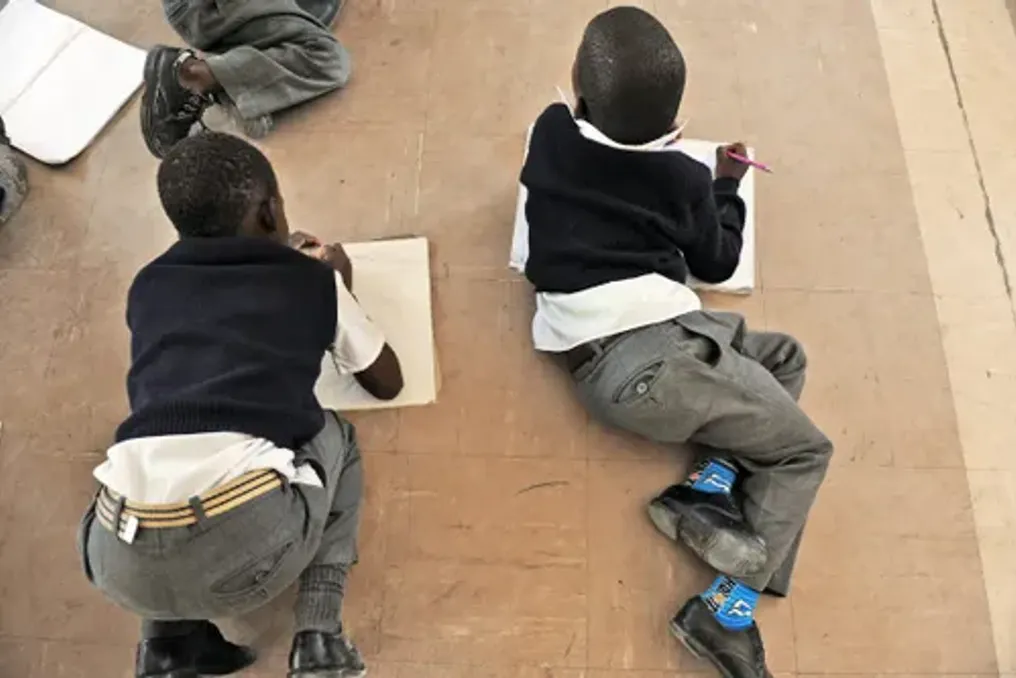
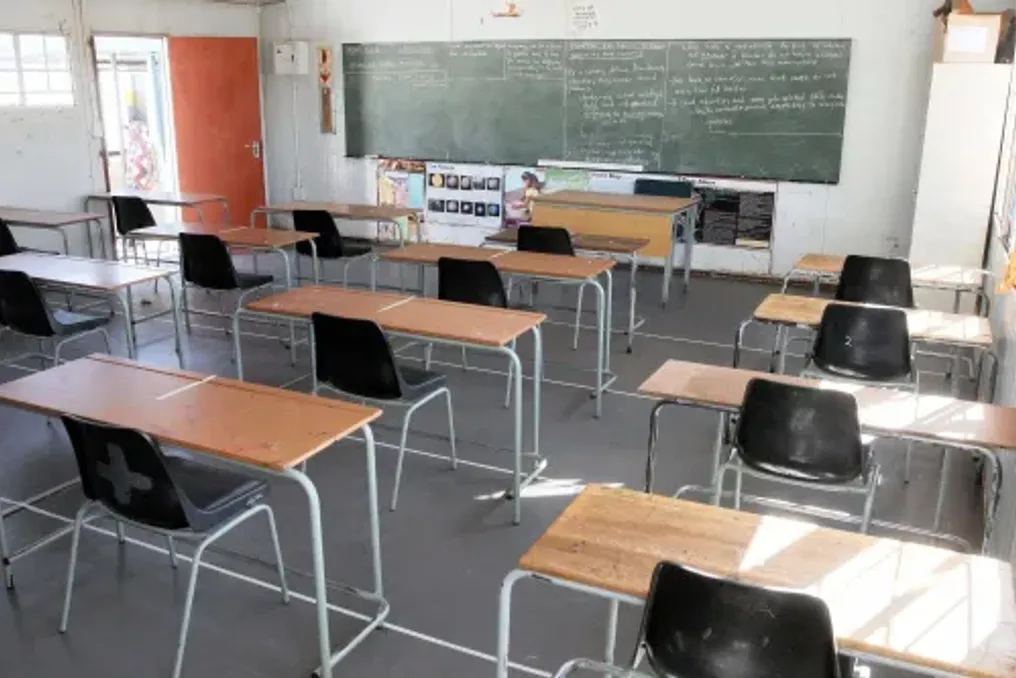
Across the country, students are forced to share desks, place textbooks on their knees, or write directly on the floor in classrooms because schools lack sufficient furniture. New data from the Department of Basic Education (DBE) shows that state schools still require 1,896,402 pieces of furniture for students across 7,166 schools. This indicates that while the overall deficit has decreased, hundreds of thousands of children continue to study in classrooms without proper furniture.
The latest figures reflect a reduction in the need by more than 420,000 units compared to the previously stated ministerial deficit, pointing to progress despite thousands of schools still lacking basic resources to create an effective learning environment.
Challenges and Regional Differences
Education experts warn that the deficit goes beyond mere classroom discomfort, undermining the literacy, numeracy, and problem-solving skills children need to succeed in school and ultimately in the workplace. Organizations working in schools note that the shortage affects a large number of students, especially in overcrowded rural and township schools.
There are significant provincial differences in the level of deficit. Gauteng has the highest demand for student furniture, requiring 544,693 units, followed by Free State (374,456) and KwaZulu-Natal (235,100). At the opposite end of the spectrum, the Northern Cape needs only 2,400 units, followed by North West (49,387) and Mpumalanga (84,323).
For the 2026/27 financial year, provinces have been allocated a total of 394.3 million rand for student furniture, but procurement issues are slowing down deliveries in some areas.
Department of Education's Efforts
A DBE representative, Terence Hala, stated that providing student furniture remains an ongoing process due to the annual change in enrolled students, as well as regular damage or loss of desks and chairs. He clarified that the ministry holds quarterly meetings with provincial departments of education through the Interprovincial School Furniture Committee, where provinces report on progress, discuss procurement challenges, and exchange strategies to reduce the backlog.
Hala also noted that the DBE attracts donors to assist provincial departments of education and has active memorandums of understanding with the Department of Employment and Labour, as well as the Department of Correctional Services. He acknowledged that procurement remains one of the main obstacles to eliminating the deficit.
He explained that Limpopo, Mpumalanga, and Gauteng do not have active contracts for school furniture. As a temporary measure, Limpopo and Mpumalanga participate in the North West contract, and Gauteng participates in the DBE memorandum with the Department of Employment and Labour.
Impact on Learning and Development
While the ministry views providing furniture as an ongoing program, organizations working directly with schools speak to consequences measured not by delivery targets, but by lost learning opportunities. Talita Boudhraam, Director of Impact at MiDesk Global, believes that furniture is often perceived as a procurement issue when it is one of the most vital tools for educating children.
Boudhraam cited an example from the Eastern Cape where nearly 60 students were placed in a classroom designed for 35 people. Three or four children shared desks meant for two, while others wrote with books on their knees because there was no other space. She noted that the teacher could not move freely between rows because there were no actual rows.
Boudhraam emphasized that such conditions are most common in under-resourced rural and township schools, where overcrowded classrooms exacerbate existing infrastructure problems. Without a stable surface for reading, writing, and completing school assignments, students spend energy overcoming discomfort instead of focusing on lessons.
Hala confirmed that the ministry recognizes that inadequate furniture directly affects educational outcomes. He stated that instances where students share desks or use damaged furniture lead to students having difficulty maintaining attention and participating effectively in classes, which reduces learning time and classroom productivity.
Boudhraam added that a desk is more than just comfort. It provides children with a dedicated space for learning, promoting concentration, confidence, and a sense of dignity. While a desk itself will not solve South Africa's educational problems, it creates the conditions under which teaching and learning can occur more effectively.
MiDesk monitoring revealed improvements in concentration and comfort in the learning environment across all participating schools. Nine out of ten participating schools also reported improved attendance and mathematics performance, and 70% recorded improved handwriting.
Social and Systemic Significance
For organizations advocating for equal access to education, this deficit serves as a reminder of deep-rooted inequalities in South African education, despite years of investment in school infrastructure. The organization Equal Education stated that students in low-income public schools continue to bear the brunt of inadequate infrastructure, being forced to share desks or work without suitable furniture, while better-resourced schools offer entirely different learning environments.
Equal Education believes that desks are necessary to realize the constitutional right of students to basic education, as they support literacy, numeracy, and classroom participation. This organization links the persistent shortages to a combination of poor infrastructure planning, rapid population growth in some provinces, corruption affecting infrastructure programs, and budget constraints slowing the replacement of damaged furniture.
The South African Teachers Union (SADTU) noted that the shortage places additional pressure on educators who are already working in overcrowded classrooms with limited resources. The union added that desks contribute to dignity and help teachers manage crowded classrooms.
Future Workforce Prospects
According to education expert Professor Mary Metcalf, the furniture shortage should be viewed only as part of a much broader problem facing South Africa's education system. She cautioned against reducing the country's skills crisis solely to an unemployment issue. Metcalf stated that the skills crisis cannot be confused with a limited labor absorption capacity of the economy. The real problem lies in the lost potential of many young people who fail to achieve a strong foundational education and pass through a system with poor results, repeat years, and eventually drop out of school.
She stressed that children who do not master literacy and numeracy in the early grades are more likely to repeat years, disengage from school, and leave without the necessary skills for employment. Metcalf believes that solving the skills gap in South Africa requires sustained investment in the initial phase, where literacy, numeracy, and critical thinking skills are first developed.
While adequate furniture alone will not solve the country's educational problems, it is part of the basic conditions necessary for effective teaching and learning, alongside qualified teachers, appropriate learning materials, manageable class sizes, and strong school leadership. Metcalf also called for improved management of infrastructure budgets and a fairer distribution of investments so that schools with the greatest need receive resources faster.
Hala stated that the ministry considers improving basic school infrastructure a prerequisite for preparing South Africa's future workforce. He noted that a conducive learning environment, including well-equipped and furnished classrooms, is critical for fostering a positive and productive learning atmosphere. Such an environment supports the development of critical skills and knowledge needed for participation in the future workforce and economic growth.
He added that restoring damaged school furniture through partnerships with the Department of Employment and Labour and the Department of Correctional Services helps address the shortage while creating jobs, supporting small, medium, and micro-enterprises, and providing opportunities for skill development for youth and people with disabilities. Despite the reduction in the overall deficit, education experts argue that the remaining shortage requires greater urgency if South Africa is serious about improving educational outcomes and preparing youth for an increasingly competitive economy.