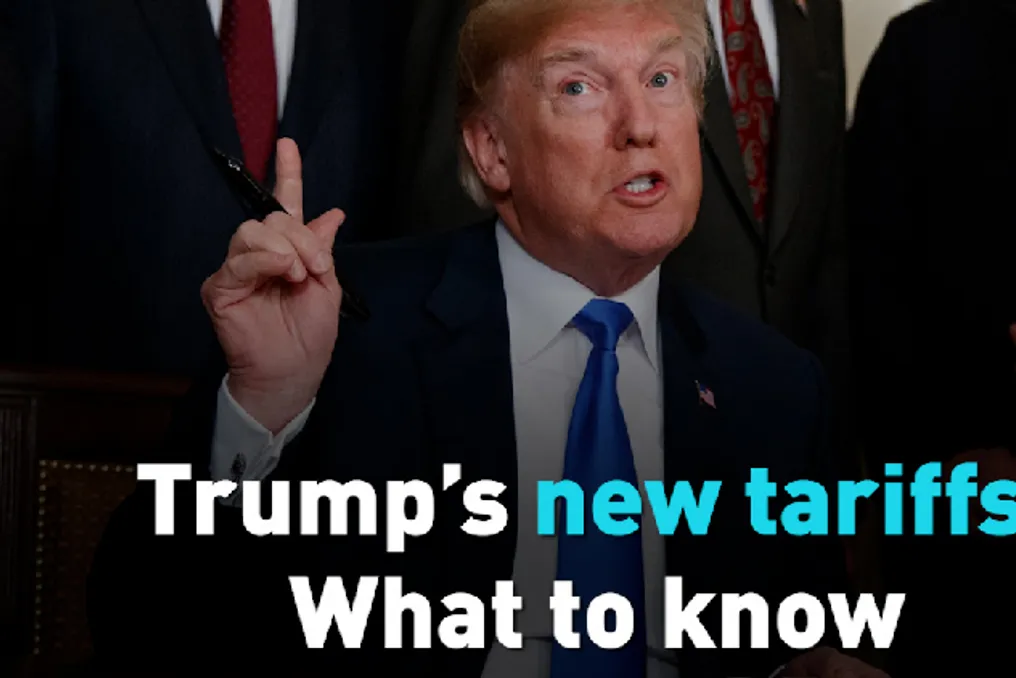
US President Donald Trump introduced a new round of tariffs on Thursday, July 23. This step was taken after the previous tariffs imposed by the Trump administration were set to expire on Friday, July 24.
US President Donald Trump introduced a new round of tariffs on Thursday, July 23. This step was taken after the previous tariffs imposed by the Trump administration were set to expire on Friday, July 24.
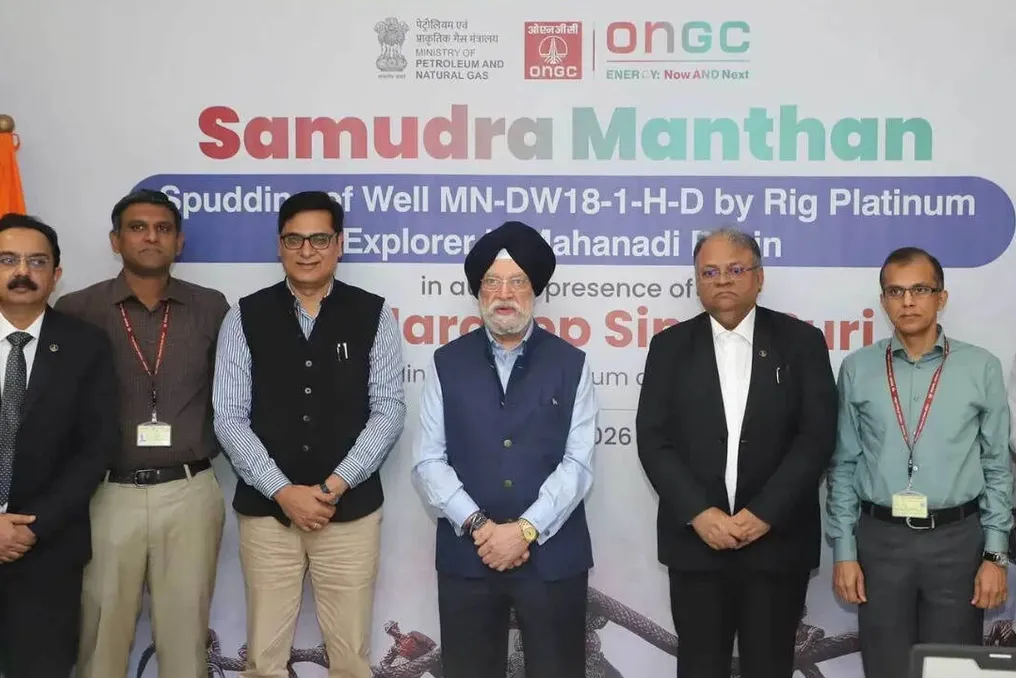
The first deepwater exploratory drilling has commenced in the Mahanadi basin off the coast of India, marking a significant step in assessing the hydrocarbon potential of one of the country's most promising offshore regions. This initiative paves the way for increased domestic production of oil and gas.
The borehole, named MN-DWN18-1-HD, is the first of four planned deepwater exploratory wells in this basin. The drilling program will utilize advanced deepwater technologies to determine the commercial viability of hydrocarbon reserves.
The Minister of Petroleum, Hardeep Singh Puri, who inaugurated the drilling, noted that this activity signifies 'the beginning of a new chapter' in India's efforts to strengthen energy security and reduce dependence on imported crude oil and natural gas. India imports nearly 90% of its crude oil needs and about half of its natural gas requirements, making increased domestic production critical for long-term energy security strategy to lessen vulnerability to global supply disruptions and price fluctuations.
According to the minister, a series of policy reforms over the last decade has transformed the country's exploration and production sector. These reforms include the Hydrocarbon Exploration and Licensing Policy (HELP), the Open Acreage Licensing Programme (OALP), the revenue sharing regime, and the opening up of nearly 99% of previously restricted 'No Access' offshore zones for exploration.
The minister stated that approximately 81% of India's active exploration blocks have been allocated since 2014, reflecting growing investor interest following the reforms. Puri also mentioned that the government has expanded geophysical data generation through initiatives such as the Anveshan Mission, the National Seismic Programme, and the National Data Repository to enhance exploration success in new regions. Under OALP, 172 exploration blocks covering almost 380 thousand square kilometers have been allocated to date, attracting investments exceeding $4.3 billion. He added that during the 2025–26 period, plans include drilling around 674 exploratory wells, discovering five new hydrocarbon fields, and bringing seven fields into production. The government is focused on finding new oil and gas resources as well as improving recovery from existing producing fields by implementing advanced technologies and best global practices.
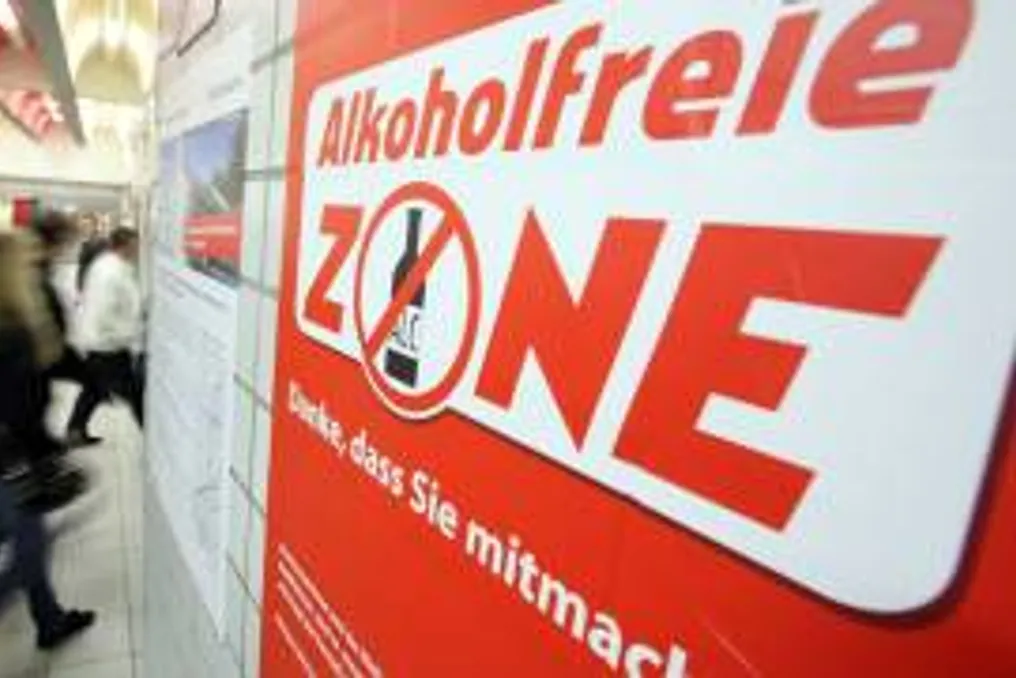
The national railway company of the FRG, Deutsche Bahn, has decided to ban the consumption of alcoholic beverages at over five thousand railway stations across the country.
The new regulation will be introduced in phases and will cover all stations by October 15. Currently, this rule is in effect at 30 stations in cities such as Cologne, Hamburg, and Munich. In September, the ban will also be introduced at Berlin's central station and other major stations, after which the order will begin to apply nationwide.
Company head Evelyn Palla emphasized that alcohol consumption has become a cause for an increase in violence cases in recent years. She cited an example where a drunken passenger attacked a security staff member during a ticket check, leading to the employee falling from the door of a moving train and sustaining serious injuries.
Individuals who violate the new rule will be removed from the station premises. Repeat offenders may receive a permanent ban from visiting these locations. Nevertheless, it is permitted to carry alcoholic beverages in sealed packaging in luggage or shopping bags. Furthermore, the restrictions do not apply to trains.
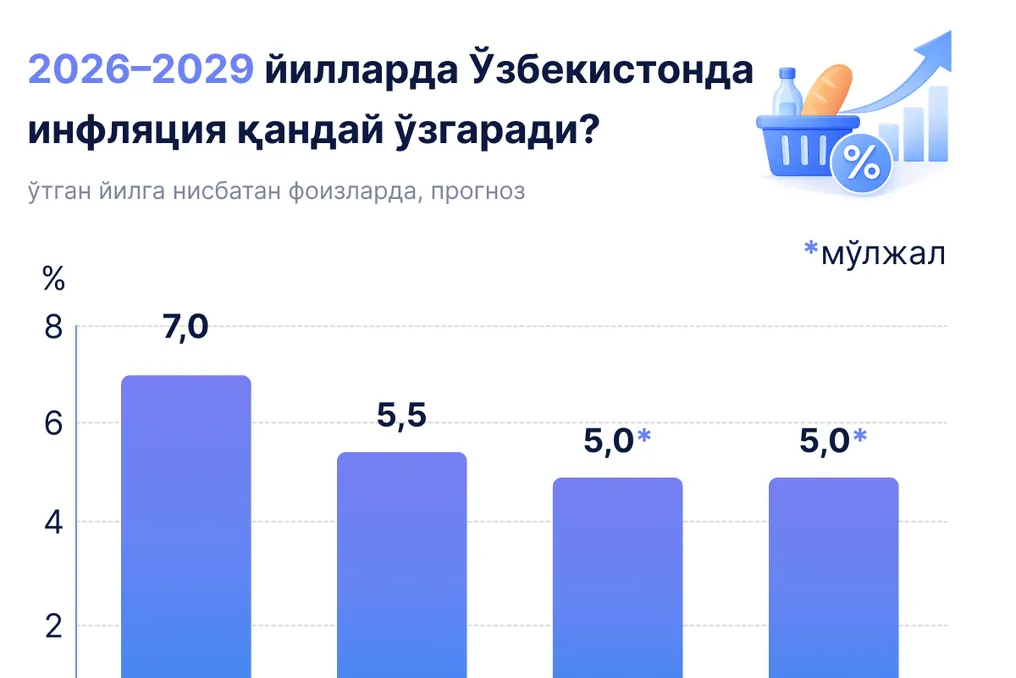
The Ministry of Finance predicts that inflation in Uzbekistan will stabilize at the level of 5.5–5.0% starting from 2027.
According to the recently published forecast for the period 2026–2029, the Ministry of Finance plans a number of measures aimed at achieving the goal of stabilizing the inflation rate.