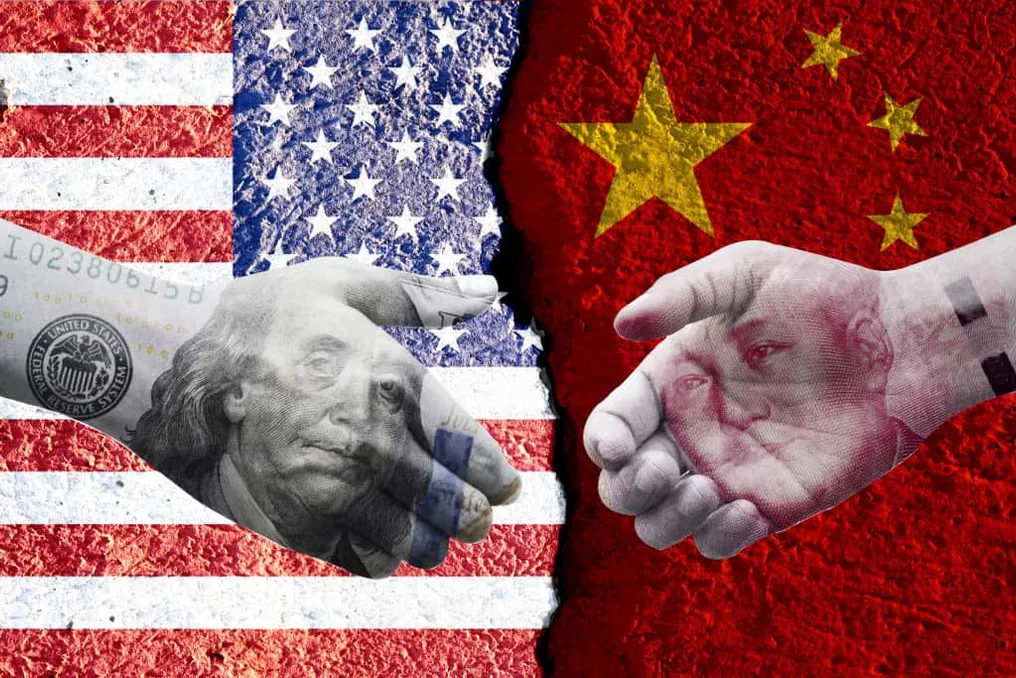
The United States and China are scheduled to hold the first official round of dialogues on artificial intelligence since Donald Trump's return to the White House, which is expected to take place in September this year.
Negotiation Context
This initiative was established after the meeting between Trump and Xi Jinping in May and precedes the Chinese president's visit to the US, scheduled for September 24. The conversations involve the two largest global technology powers, addressing the rapid advancement of cutting-edge AI models and inherent concerns regarding security, military use of the technology, essential infrastructure, and economic impacts.
It is expected that the American delegation will be led by the U.S. Secretary of the Treasury, Scott Bessent. Although details such as location, participants, and agenda are still being defined, the governments are working on preparations for this meeting, which represents the resumption of a formal communication channel on AI between Washington and Beijing under the current American administration.
Priorities and Common Concerns
Both countries approach the negotiations with distinct focuses but share the goal of debating methods to mitigate risks associated with the most sophisticated AI platforms. Mutual areas of interest include the potential use of these systems in military actions, cyberattacks targeting strategic structures, and observed consequences in the job market.
American and Chinese Perspectives
From the American perspective, discussions are taking place in a scenario where restrictions on the export of high-performance AI chips to China already exist. Additionally, U.S. authorities are examining possible limits on the use of Chinese open-source models by American companies, given the rapid technological evolution of these systems. In Beijing, the government is also reviewing new guidelines regarding international access to domestically developed AI models, considering restricting the availability of the most advanced tools abroad while assessing digital security risks.
Scott Bessent had previously indicated before the date was set that future talks would aim to prevent extremely complex models from falling into the hands of non-state actors. At that time, the U.S. Secretary of the Treasury mentioned that the meetings could begin in a few weeks.
Recent Developments
Following Donald Trump's visit to China, the Chinese government confirmed the agreement between the two countries to establish an intergovernmental mechanism focused on the debate over artificial intelligence. However, Beijing has not released further public details about the preparations for this initiative.
Analysts cited by Reuters indicate that China plans to dedicate part of the discussions to the Mythos model, created by Anthropic, and seek clarification on how the US intends to oversee the launch of future cutting-edge AI systems, as well as any restrictions applied to open Chinese models. Concurrently, the American government is maintaining conversations with industry companies to create voluntary safety standards for the release of new AI models, although it has not yet announced final regulations.
Chinese preparations are also underway. Sources informed by Reuters reported that authorities will continue to internally debate the issue before determining which ministries and representatives will participate in the negotiations. An individual familiar with the preparations told Reuters that the Chinese priority is to establish a technical and practical dialogue on AI, preventing the meeting from becoming predominantly political.