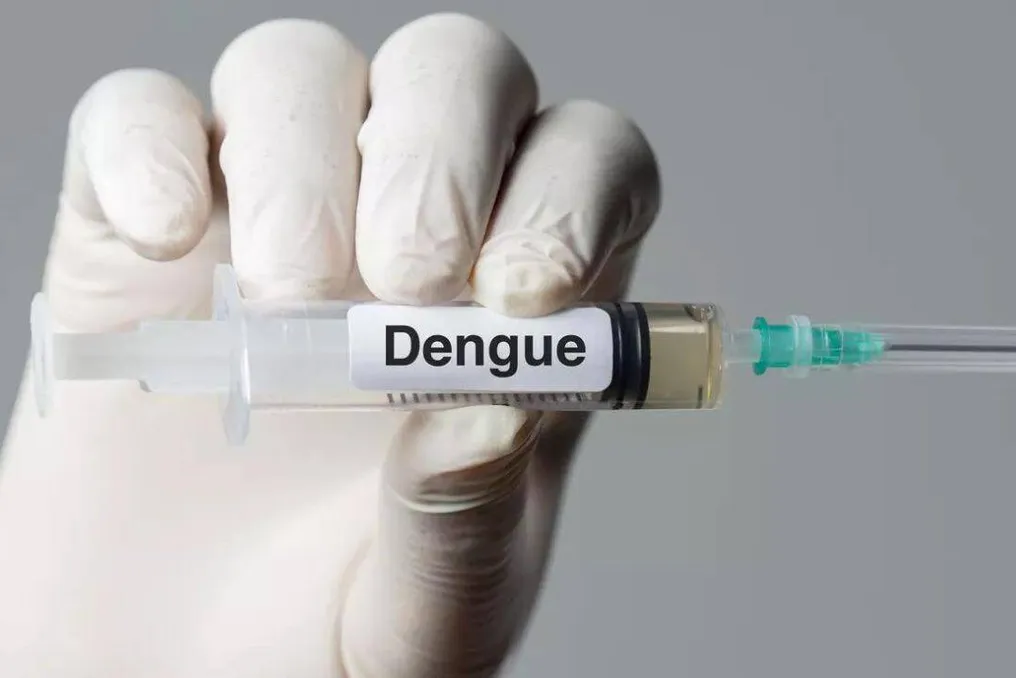
India has granted marketing approval for the first dengue vaccine, QDENGA, which was issued by the Drugs Controller General of India (DCGI). This vaccine was developed by Takeda Biopharmaceuticals India.
Indications and Features of the Vaccine
The vaccine is approved for individuals aged 4 to 60 years and can be administered regardless of whether the person has previously had dengue. A distinguishing feature of QDENGA is that it does not require prior screening before vaccination, allowing eligible patients to receive the shot without mandatory testing for past dengue infection.
Significance of the Approval for India
Takeda stated that this approval marks a significant step forward in India's fight against dengue—a mosquito-borne disease that affects millions annually. Mahender Nayak, Head of Intercontinental Markets at Takeda, noted that since its launch in 2022, QDENGA has been approved in 43 countries, with over 32 million doses distributed globally. He emphasized that this approval is an important step in strengthening dengue prevention in India.
Scientific Data and Application
According to the company, long-term studies conducted over seven years have demonstrated that the vaccine continues to provide protection against infection and hospitalization caused by all four serotypes of the dengue virus. The Indian approval is based on the results of Takeda's global clinical development program, which included 19 Phase I, II, and III clinical trials involving over 28,000 volunteers in regions where dengue is prevalent and in areas where it is not found.
The decision was also supported by data from the Phase III clinical trial DEN-302, conducted in India, which assessed the safety and immune response of the vaccine in people aged 4 to 60. QDENGA is administered as two 0.5 ml injections given subcutaneously three months apart.
Global Context and Recommendations
Takeda pointed out that India faces one of the highest rates of dengue incidence globally, as all four serotypes of the virus circulate simultaneously in different parts of the country. Goh Chu Beng, Head of Medical Affairs for the Southeast Asia and India Cluster at Takeda, stressed that QDENGA is designed to protect against all four serotypes, irrespective of previous exposure. He added that its approval contributes to strengthening India's comprehensive approach to dengue prevention, which includes vector control, epidemiological surveillance, public awareness, and other public health measures.
The company also reported that the World Health Organization (WHO) recommends using QDENGA in dengue-endemic regions and supports its inclusion in national immunization programs in high-risk areas without the need for prior screening. Furthermore, QDENGA has received WHO prequalification, confirming compliance with international standards of quality, safety, and efficacy, making the vaccine available for procurement by global agencies such as UNICEF and the Pan American Health Organization (PAHO).
Dengue is a mosquito-borne viral disease registered in over 125 countries. According to the company, India accounts for nearly a third of the global dengue burden, with urbanization, climate change, and widespread mosquito proliferation continuing to increase the risk of infection across the country.