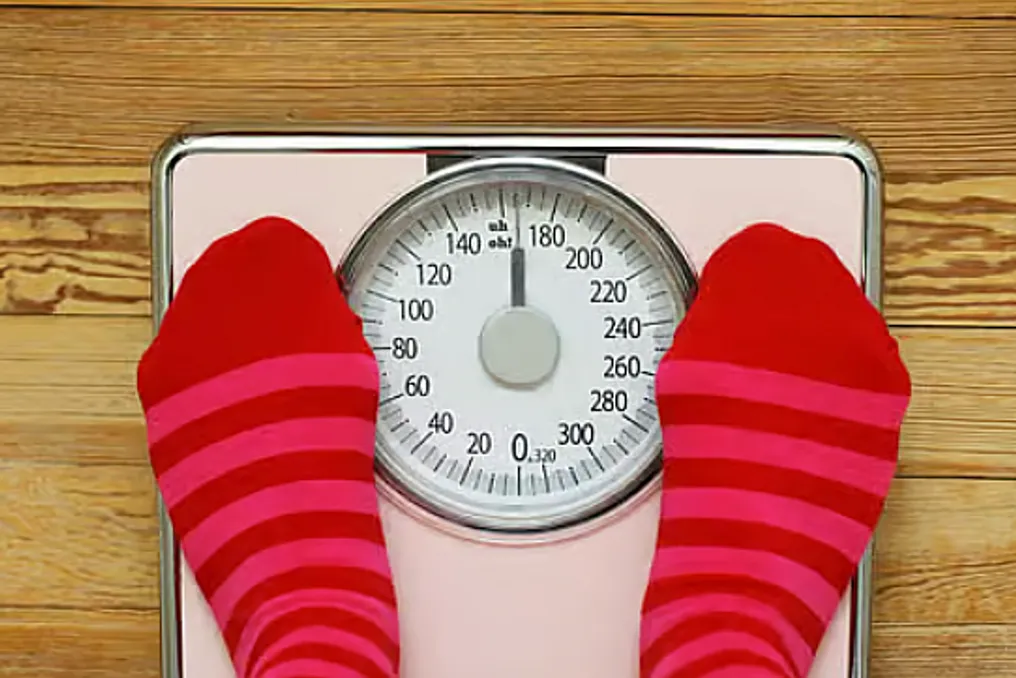
The fitness industry has long been focused solely on helping people lose weight. However, the growing popularity of GLP-1 class medications, such as Ozempic, Wegovy, and Mounjaro, is fundamentally changing this paradigm.
The fitness industry has long been focused solely on helping people lose weight. However, the growing popularity of GLP-1 class medications, such as Ozempic, Wegovy, and Mounjaro, is fundamentally changing this paradigm.
In Dubai, fitness trainers note a sharp increase in clients taking these medications, forcing gyms to revise their approaches to training programs and dietary advice. Instead of chasing rapid weight loss, the emphasis is shifting towards maintaining muscle mass, improving body composition, and supporting long-term health.
Sarah Lindsey, founder of Roar Fitness and three-time Olympic champion, stated that GLP-1 medications have completely changed trainers' approach to new clients. She noted that while the priority used to be fat burning, now, when working with GLP-1 clients, the main task is preserving muscle and building strength.
Trainers are no longer just creating exercise plans for calorie burning; they first ascertain the client's appetite level, energy status, and the body's reaction to the medication before developing personalized programs. Lindsey emphasized that the drug suppresses appetite but does not build a strong physique on its own. Without strength training, a significant portion of the lost weight comes from muscle mass, not fat.
Furthermore, trainers are paying more attention to protein intake and recovery, as many clients significantly reduce food consumption while taking the medications. In Lindsey's opinion, strength training has ceased to be an optional extra because rapid weight loss without resistance can lead to the loss of not only fat but also muscle tissue.
She added that muscles play a key role in metabolism, determine strength, bone density, and aging quality. Silent muscle loss undermines the very results people expect to achieve. Demand for specialized coaching has sharply increased in Dubai as clients actively seek recommendations on maintaining muscle while on GLP-1.
This shift is also transforming the business models of premium fitness clubs, moving their focus from general memberships to personalized coaching aimed at specific outcomes. Clients need trainers who can adapt programs weekly and understand the processes occurring in their bodies.
Medical experts acknowledge that these drugs have transformed obesity treatment, but insist that they should only be used under a doctor's supervision and in conjunction with lifestyle changes. Dr. Kingini Bhadran, an endocrinologist at Aster Clinic in Kusais, believes that GLP-1 has helped reframe obesity as a chronic disease rather than just a lifestyle issue.
However, she warned that patients who do not consume enough protein or do not engage in regular strength training risk losing muscle mass. Muscle loss can slow down metabolism, weaken strength, impair physical function, and increase the likelihood of regaining weight after stopping treatment. To minimize these risks, she recommends adequate protein intake, strength training at least two to three times a week, and regular medical monitoring.
Both experts expressed concern about the increasing number of people using GLP-1 primarily for cosmetic weight loss. Lindsey noted that the most common misconception is the belief that the drug works on its own. She cautioned that some use the medication merely to become thinner, ignoring the necessary lifestyle changes for long-term success.
Dr. Bhadran agreed, noting that she observes a rise in GLP-1 requests among individuals who do not meet medical criteria. She stressed that these medications are not intended to provide quick fixes or replace a healthy lifestyle. Improper use can expose people to unnecessary side effects, nutrient deficiencies, muscle loss, and potential long-term health risks.
Growing awareness of weight loss medications is prompting parents in the United Arab Emirates (UAE) to consult doctors about using these drugs for their children. However, specialists warn that such treatments are only suitable for carefully selected patients and should not be viewed as a quick way to lose weight.
Dr. Reham Ghanim, a pediatric endocrinologist at Metabolic, notes that she frequently hears discussions about GLP-1 medications on social media and in the news. She emphasizes that a common misconception among parents is the assumption that any GLP-1 drug approved for children can be used for weight loss. Dr. Ghanim explains that parents often perceive this as a quick fix, similar to taking paracetamol for a fever, whereas different medications have specific approved uses.
Specifically, Wegovy (semaglutide) is approved for treating obesity in adolescents over 12 years of age under certain medical criteria. Meanwhile, Mounjaro (tirzepatide) is intended for treating type 2 diabetes in children aged 10 and older, not for weight loss. The specialist points out that the use of GLP-1 drugs is considered only after lifestyle changes have been properly implemented and when obesity is accompanied by complications such as insulin resistance, prediabetes, diabetes, fatty liver disease, or high cholesterol.
Dr. Ghanim stresses that these medications are breakthrough treatments, but they are not 'magic pills.' Parents must understand that these are serious medical interventions requiring long-term commitment to healthy eating, physical activity, and regular monitoring. She adds that if GLP-1 is used in isolation, the likelihood of regaining weight after stopping the medication is very high; the main goal is to establish sustainable eating and physical activity habits, with the medication merely facilitating this process.
Fourteen-year-old Bara Ayaz incorporated treatment into a broader lifestyle change. Before starting Wegovy in May 2025, he struggled with overeating, severe insulin resistance, and persistent stomach issues. He realized the need for intervention when he became tired even climbing a single flight of stairs, noting that he often felt short of breath in situations where he shouldn't have.
Despite continuing to play football and basketball, his weight negatively affected both his self-confidence and how others perceived him. Although he had support from close friends, he was not popular among his peers. Bara noted that the medication alone did not change his health; the greatest improvements occurred after combining therapy with a calorie-controlled diet, regular gym sessions, and physical exercise later that same year. Since then, he has lost 40 kg, reducing his weight from 94 kg to 54 kg.
In addition to the positive changes, the teenager reported that the treatment went generally smoothly, although increasing to a higher dose caused severe abdominal pain, vomiting, and diarrhea during one period. He also experienced body dysmorphia, sometimes failing to notice physical changes even though others could see them. Currently, while gradually reducing the dose under a doctor's supervision, his main concern is whether his appetite will return after discontinuing the drug. He believes he can manage it through calorie deficit and how he learned to cope with food cravings.
Dr. Ghanim confirmed that this is precisely why medications must always be combined with sustainable lifestyle changes. She also added that children receiving GLP-1 therapy undergo regular monitoring of blood sugar levels, liver health, cholesterol, muscle mass, bone health, and growth, and treatment plans are individualized. She concludes that obesity is a chronic disease, and these drugs are just one tool that works best in combination with long-term lifestyle changes, family support, and meticulous medical supervision.