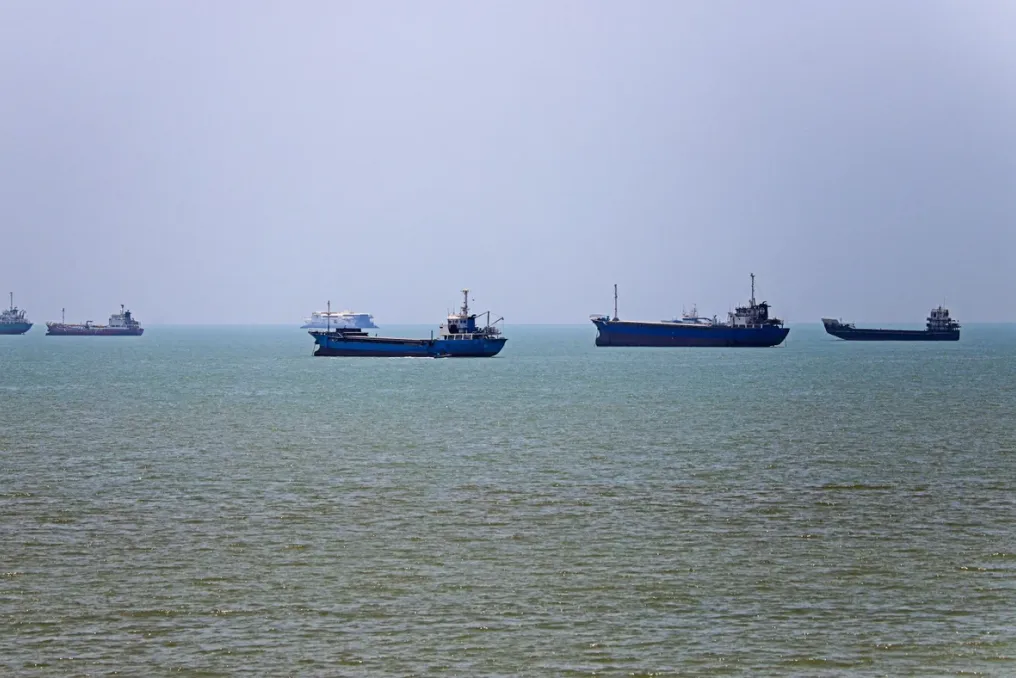
According to data provided by Kpler, the number of vessels crossing the Strait of Hormuz was only six. However, the overall nature of shipping traffic remains mixed.
According to data provided by Kpler, the number of vessels crossing the Strait of Hormuz was only six. However, the overall nature of shipping traffic remains mixed.
The number of tankers passing through the Strait of Hormuz reached its lowest level in the last two months in the past day. This is due to the escalation of military actions between the US and Iran, as well as attacks on vessels, which heightens safety concerns.
Sources in the shipping industry reported that vessels are increasingly disabling their public AIS transponders, making it difficult to determine the actual number of moving ships.
Nevertheless, according to tracking analysis conducted by Kpler, the movement of oil and gas tankers has fallen to its lowest level since May 25.
Shipping broker Gibson noted in his report that if the renewed escalation in the strait leads to another prolonged closure of Hormuz, the world will find itself in a significantly more difficult situation. He added that given the rapid depletion of global reserves in recent months, this will create conditions for a sharp reduction in supplies, price increases, and a substantial risk for tanker markets.
According to tracking data from LSEG and MarineTraffic, among the few visible vessels heading toward the entrance of the strait near the Iranian side was the product tanker Sea Faith.
