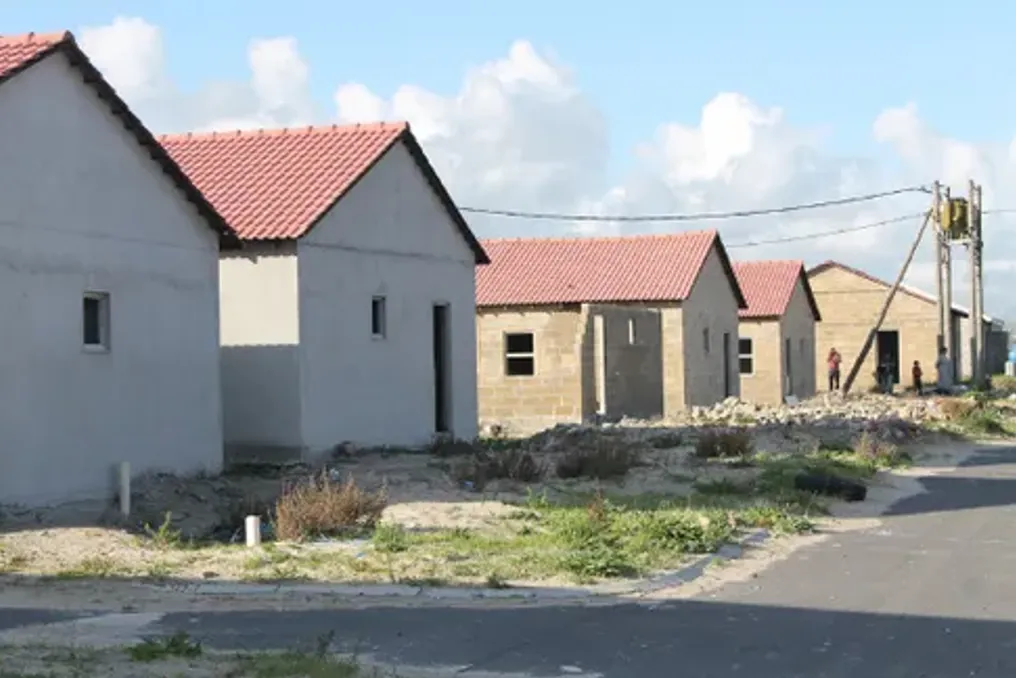
The increase in the cost of living is significantly impacting first-time home buyers in South Africa, changing perceptions of what it means to own a home.
A new approach to assessing housing affordability
François Viruli, Chief Economist at Datazone, argues that housing affordability can no longer be assessed simply by comparing house prices with household incomes. He emphasizes that the true cost of housing must account for expenses such as transport, electricity, municipal payments, water, and insurance, as well as other unavoidable living costs.
Viruli notes that when these costs rise simultaneously, households have less disposable income for housing, making both renting and buying property less affordable.
Inflation and transport costs
According to the June 2026 Consumer Price Index (CPI) published in South Africa, the rising cost of living is putting increasing pressure on households. Statistics South Africa (Stats SA) reports that the overall inflation rate reached 5.0% in June. Although this figure is within the South African Reserve Bank's target range (3%–6%), it continues to move towards the upper limit of this range.
In Viruli's view, the most alarming aspect of the June CPI is transport inflation. Transport prices rose by 12.7% over the year, becoming the largest driver of overall inflation. Fuel price increases were 34.3%, while passenger transport services increased by 12.5%.
Many low-income households spend almost as much on transport as they do on housing. Statistics South Africa estimates that many of these households already spend more than 20% of their income on public transport, while broader studies in South Africa show that for the poorest passengers, transport costs can range from 30% to 40% of total income.
Implications for the real estate market
Viruli concludes that transport has become an integral part of housing affordability, strengthening arguments for dense development, mixed-use neighborhoods, and locating housing closer to workplaces. Furthermore, the cost associated with housing is also rising: annual inflation for housing and utilities was 5.5%, adding 1.3 percentage points to overall inflation. Electricity, gas, and other fuel costs rose by 9.9%, while water and municipal service costs rose by 6.9%.
Despite relatively moderate rental inflation, the increase in utility costs continues to raise the overall cost of living. Of greatest concern is the sharp rise in administrative prices, which increased by 15.5% over the last year—more than three times the rate of overall inflation. Administrative prices include tariffs for electricity, water, waste removal, assessment taxes, and public transport fares, which are largely determined or regulated by the government.
The cumulative effect of rising transport costs, municipal tariffs, and utility charges is gradually reducing household purchasing power and weakening housing affordability. Higher living costs also restrict the amount people can borrow, thereby dampening housing demand even when interest rates fall.
Decline in young buyers
According to TransUnion, South African households continue to face financial pressure over the past year, with little sign of recovery. The proportion reporting better-than-expected finances has dropped to 43%, while the proportion in worse shape has risen to 40%.
Samuel Niburg, Head of Sales and Business Development, noted that statistics show young South Africans have stopped buying homes. He cites an example: in 2005, 108,000 people under 35 purchased property, compared to only 45,000 in 2025. This means more than half of the market for first-time buyers has disappeared in 20 years.
Breakdowns show that buyers under 30 have decreased from 58,600 to 21,300 (a drop of 64%), and buyers aged 31–35 from 49,000 to 24,200 (a drop of 51%). The share of buyers under 35 among all buyers fell from 44% to 30%. Meanwhile, youth make up 37% of the population but own only 7% of properties, whereas people over 50 make up 29% of the population but own 68% of properties.
Niburg states that wages and real incomes are not keeping pace with property prices. He also points out that tightening criteria and rising mortgage interest rates over time have pushed young people out of the market. To this has been added a significant decline in youth unemployment. Niburg questions who will stimulate the market in 10 years if an entire generation is excluded from the starting point. He adds that this phenomenon is not unique to South Africa but represents a global shift, although the causes may vary slightly depending on the region.