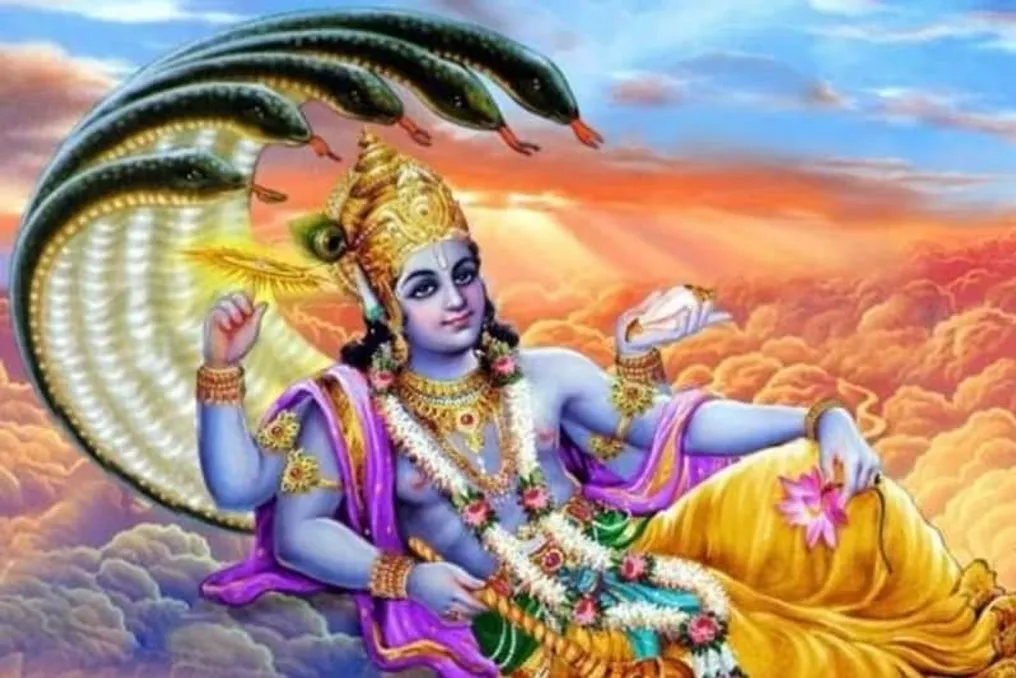
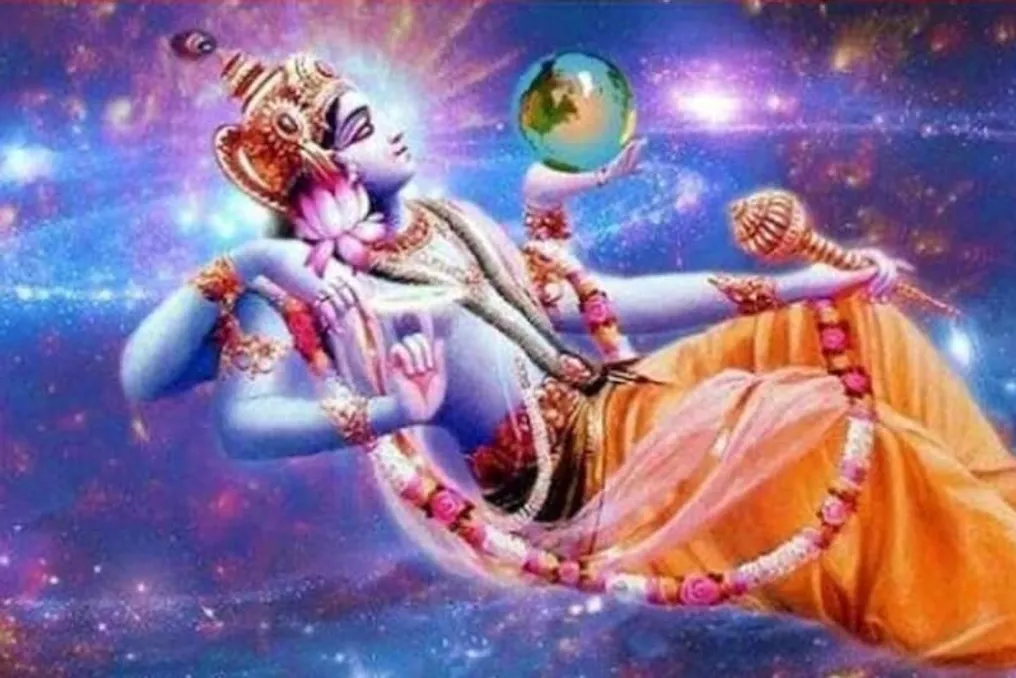
Chaturmas in 2026 will begin with Devashanai Ekadashi on July 25 and extend until November 20. During this period, which lasts 119 days, the preserver of the universe, Lord Vishnu, will be in a state of yoga-nidra in the Kshira Sagara. During this time, conducting any auspicious or ritualistic events, including marriages, is prohibited.
Major Events in Chaturmas
Despite the period of rest, fifteen significant religious festivals are planned for Chaturmas. The beginning of the period is marked by Devashanai Ekadashi, when Lord Vishnu enters yoga-nidra, and devotees perform worship while observing a fast.
Important Dates and Festivals
Guru Purnima is celebrated on July 29, a festival dedicated to knowledge, tradition, and discipleship, where reverence is paid to teachers. The month of Shravana begins on July 30, considered the most sacred time for worshipping Lord Shiva, during which rituals such as sanctification of holy sites, Rudrabhishek, and Monday fasts are especially honored.
Raksha Bandhan takes place on August 28, a festival symbolizing unbreakable love and trust between brothers and sisters. Krishna Janmashtami is celebrated on September 4, the birthday of Lord Krishna, when followers observe a fast and conduct bhajans. Pitru Paksha begins on September 8, a sacred period dedicated to expressing respect and gratitude to ancestors, during which Tarpan, Sharaddha, and Pindadaan are performed to receive the blessings of the deceased.
Ganesh Chaturthi is celebrated on September 14, the festival marking the appearance of Lord Ganesha, when Ganpati is installed in homes and pavilions for prayers for wisdom and success. On the same day, Hartalika Teej is observed, an important fast for married and unmarried women, during which they worship Mother Parvati and Lord Shiva, praying for a happy marriage and well-being.
Autumn and Winter Celebrations
Sharadiya Navratri begins on October 11, a nine-day period of worship of the nine forms of Mother Durga, accompanied by fasting and the installation of a Kalasha, symbolizing the victory of positive energy over negativity. Vijayadashami or Dussehra is celebrated on October 20, the festival of the triumph of truth, commemorating the victory of Lord Shri Rama over Ravana, spreading the message of following virtue through the burning of evil.
October 25 falls on Sharad Purnima, considered the brightest full moon of the year, when Goddess Lakshmi and Chandra Dev are worshipped, and a sherbet is left under the moonlight. Karva Chauth is observed on October 29, the main fast for married women, who observe a waterless fast from sunrise until sighting the moon for the longevity and prosperity of their husband. Dhanteras is celebrated on November 6, the first major festival of Dipotsava, when Lord Dhanvantari, Mother Lakshmi, and Kubera are worshipped, and it is considered auspicious to acquire valuables.
The culmination of the season is November 8—Diwali, the greatest Indian festival of light, joy, and new beginnings, during which lamps are lit and Mother Lakshmi and Lord Ganesha are worshipped. The entire period concludes on November 20 with Devutni Ekadashi, when Lord Vishnu emerges from yoga-nidra, marking the beginning of all auspicious events, including weddings, and special worship of Vishnu and the Tulsi-Shaligram marriage is performed.