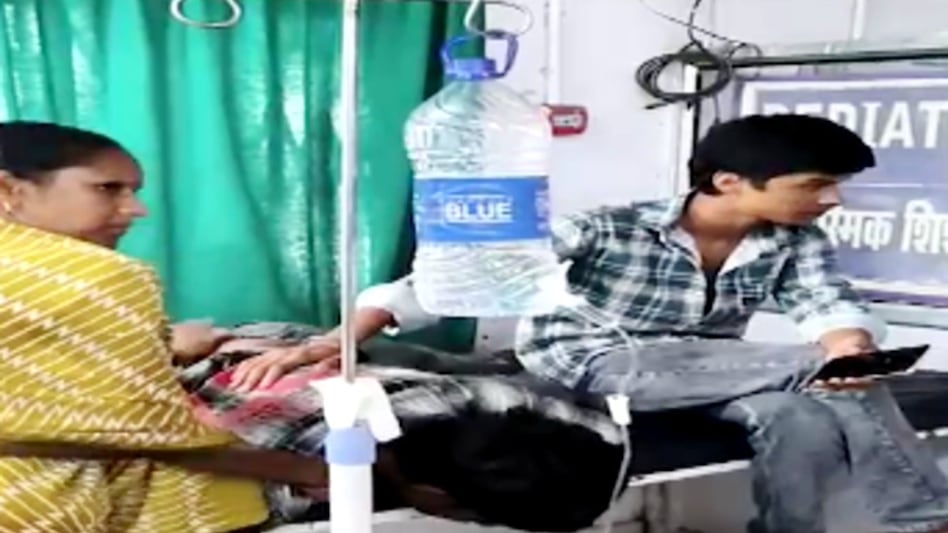
A doctor at a government hospital in the Dindori district of Madhya Pradesh was summoned for an explanation. He was accused of using bottled drinking water for a 'stomach pumping' procedure while treating a young man who had ingested rodenticide.
A doctor at a government hospital in the Dindori district of Madhya Pradesh was summoned for an explanation. He was accused of using bottled drinking water for a 'stomach pumping' procedure while treating a young man who had ingested rodenticide.
Gastric lavage, often referred to as 'stomach washing,' is performed in emergency situations. During this procedure, a tube is inserted into the stomach through the mouth, and the stomach is cleansed with sterile water or saline solution. Video footage of this case went viral and caused public outcry.
The Chief Medical and Health Officer, Dr. Manoj Pandey, stated that the doctor was summoned for an explanation, but he denied reports that the patient was administered bottled water intravenously. CMHO Manoj Pandey told a news agency: 'No medicines or water were administered intravenously.'
Dr. Pandey clarified that the junior doctor asked the patient's family to bring a bottle of bottled drinking water. Furthermore, the hospital has its own equipment for gastric lavage, and the water is supplied to the patient through a special 'Ryle' tube.
The patient, Satyam Yadav (18 years old), was admitted to the hospital's emergency department on Wednesday afternoon. It is alleged that he consumed rat poison. Sources report that the doctor asked a nurse to use a bottle of bottled drinking water during the procedure. When the nurse objected, the doctor performed the procedure himself.
The opposition leader in the Madhya Pradesh Legislative Assembly, Umang Singhare, criticized the Bharatiya Janata Party (BJP) government over this incident. He accused the government of deteriorating the public healthcare system and demanded that those responsible be held accountable.
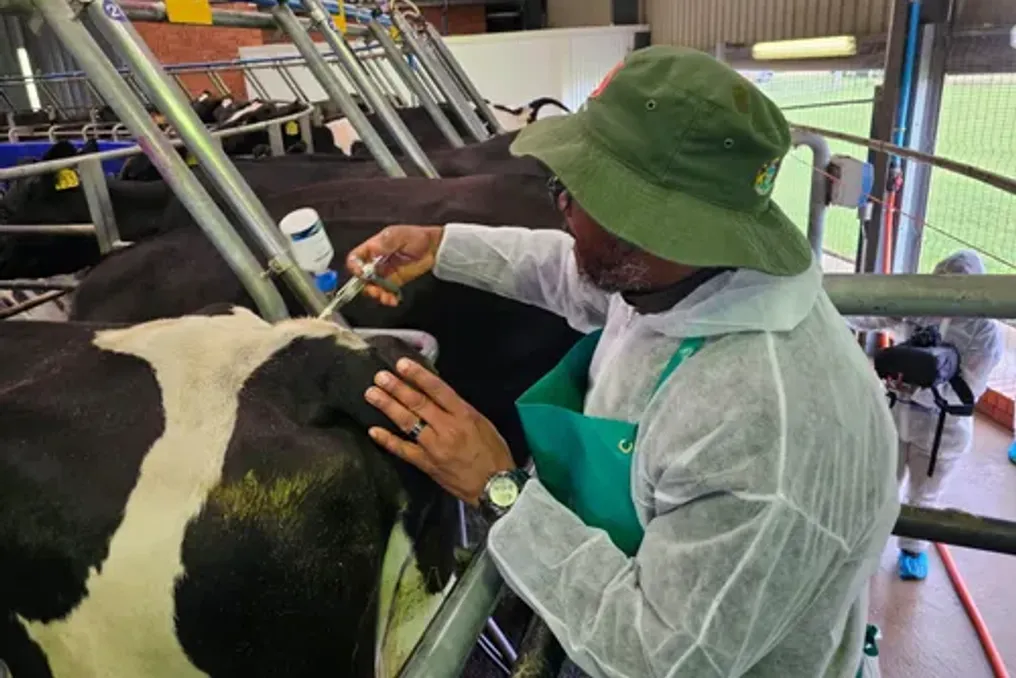
The South African government has implemented a new online authorization system that allows livestock owners to apply independently for permission to vaccinate their animals against Foot-and-Mouth Disease (FMD). This measure is part of South Africa's efforts to contain outbreaks and restore the country's status as FMD-free.
Agriculture Minister Willie Aukamp introduced this digital platform, which places greater responsibility on livestock owners and farm managers in managing FMD risks while ensuring compliance with biosecurity and reporting requirements. This step follows actions by the government and industry stakeholders aimed at strengthening disease control measures after FMD outbreaks disrupted livestock movement and jeopardized agricultural exports.
According to Aukamp, the launch of the system enables livestock owners and managers to conduct voluntary vaccination of their herds against FMD. He emphasized that this is just the beginning, and the Department of Agriculture is ready to support the private sector in combating this outbreak.
Under the new procedure, livestock owners must first apply for 'Authorized Person' status through the FMD reporting platform. After approval, they must notify the relevant Provincial Director of Veterinary Services or State Veterinarian no later than five days before administering vaccines. By submitting the notification, approved applicants can obtain vaccines directly from authorized veterinarians.
After vaccination, animals must be registered within 14 days, providing a detailed report on the number of vaccinated animals, the vaccine used, and the farm where the vaccination took place. The Ministry stated that the system is designed to comply with legal traceability and biosecurity requirements, as well as to improve oversight of the national vaccination campaign.
Furthermore, farmers may use approved private reporting platforms, such as systems managed by RMIS, SAAI, and Buffalo Analytics, provided they are authorized by the Director of Animal Health. Data collected through these platforms will be transmitted to the Department of Agriculture and integrated into its monitoring systems.
Aukamp noted that collecting vaccination data will be crucial for demonstrating the effectiveness of disease control measures in South Africa to international bodies. He added that all information gathered through these feedback systems will allow the government to track the progress of the vaccination program and effectively provide up-to-date information on the program's success to the World Organisation for Animal Health (WOAH) when reapplying for FMD-free status.
The Minister also called on organized agricultural groups to collaborate closely with vaccine importers and veterinarians to determine demand and ensure adequate vaccine supply nationwide. The government stated that farmers participating in the voluntary vaccination program are responsible for purchasing vaccines for their hoofed animals, but the state will continue to provide vaccines in recently affected outbreak areas and to farmers who cannot afford the cost of vaccination.
Aukamp expressed gratitude to farmers, agricultural organizations, and officials of the Department of Agriculture for their contribution to creating this system. The Ministry believes that the new online authorization process will accelerate vaccination efforts, improve epidemiological surveillance, and strengthen South Africa's application to restore FMD-free status, while protecting the country's agricultural industry.
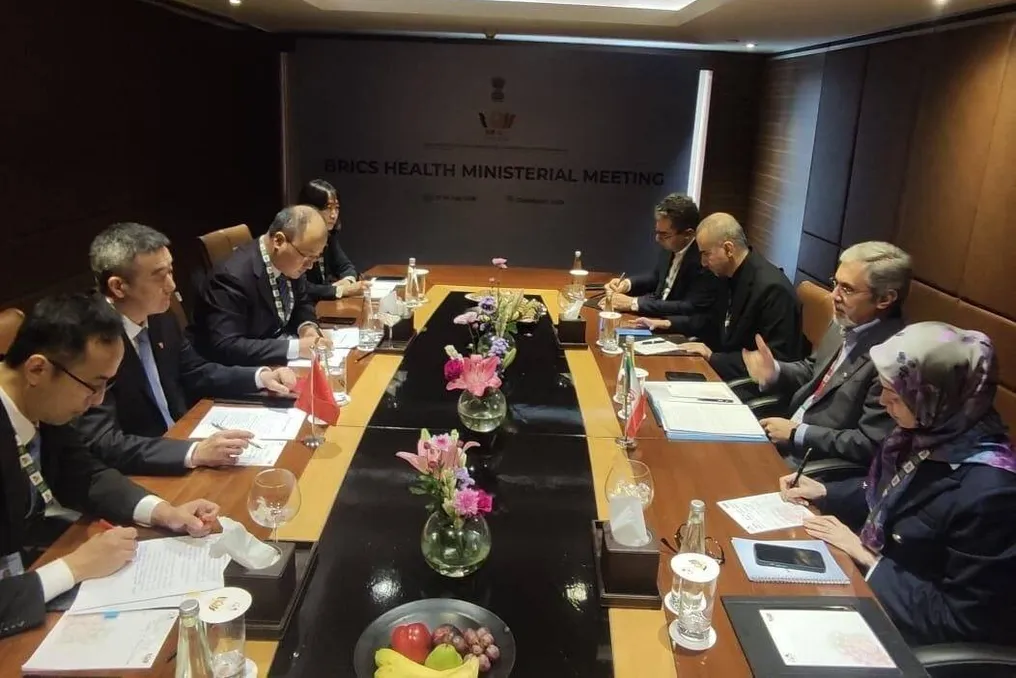
Officials from Iran and China held discussions aimed at developing joint work in the healthcare sector. Special attention was paid to the supply of pharmaceuticals, raw materials, and medical equipment.
The meeting took place on the sidelines of the XVI BRICS Ministerial Meeting on Health, which was held in Chandigarh, India, from July 21 to 25. Ali Jafarian, Senior Advisor to the Iranian Minister of Health, emphasized the significance of traditional medicine in both countries.
He spoke about the possibility of integrating Persian medicine into the national healthcare system using a scientifically sound approach to ensure the safe and proper application of traditional treatment methods, and called for expanding ties in this area, according to IRNA.
Jafarian also addressed the topic of scientific research cooperation in vaccine production within BRICS, noting the potential of the two countries for joint vaccine development. He stressed the need for the exchange of knowledge, experience, and technologies between Iran and China.
For his part, Zeng Yixin, Deputy Director of the Chinese National Health Commission, welcomed the deepening of bilateral relations in line with existing memorandums between Beijing and Tehran. He stated the readiness to increase cooperation in traditional medicine, highlighting its special importance to China as an integral part of cultural heritage, rather than just a component of the healthcare system.
In 2025, Iran and China agreed to implement joint programs in the pharmaceutical and medical fields under a 25-year agreement signed by both sides. Hamid Inanlou, an official from the Food and Drug Administration (FDA), reported that these programs are designed to stimulate the commercial, scientific, and industrial potential of both nations, boost domestic production, and facilitate access to regional markets.
He added that part of the 25-year strategic partnership focuses on expanding healthcare cooperation, including the exchange of experience and technologies, conducting medical research, training, exchange of specialized personnel, and developing new drugs. Inanlou also noted plans for the production of medical and laboratory equipment, such as syringes, diagnostic kits, health products, as well as joint investments and the creation of joint ventures.
In June 2025, Ding Zhisheng, Vice Premier of the People's Republic of China, expressed China's willingness to strengthen scientific and technological cooperation with Iran under the Belt and Road Initiative (BRI). Zhisheng met with Hossein Afshin, Vice President for Science, Technology, and Knowledge-Based Economy, on the sidelines of the Second Conference on Science and Technology Exchange within the BRI, held in Chengdu, the capital of Sichuan Province in southwestern China, from June 10 to 12.
The Chinese official stated that China intends to effectively implement the Iran-China strategic partnership and promote high-quality cooperation within the BRI. According to Zhisheng, 'we strive to develop the potential for scientific and technological cooperation between the two sides to bring more tangible benefits to the people of both countries.'
The Iranian delegation actively participated in drafting the declaration and presenting technical and legal proposals to strengthen healthcare cooperation among BRICS member states at the XVI BRICS Ministerial Meeting on Health.
Iran's position was based on prioritizing consensus while safeguarding national interests, protecting the authority of regulatory bodies, expanding production and research capacities, ensuring equal access to medicines, vaccines, and medical technologies, and promoting cooperation in traditional medicine and mental health.
The Iranian delegation emphasized that cooperation within BRICS must go beyond declarations and transform into joint, actionable initiatives with measurable results. They also noted that access to medical products and technologies should not be blocked by obstacles disrupting supply chains, technology transfer, joint production, or timely patient access to treatment.
Clarifying the country's achievements in healthcare during crises, Jafarian put forward three key priorities for developing the 'BRICS Action Plan'. The first proposal concerned strengthening joint preparedness, including establishing early warning systems, emergency response networks, combating antimicrobial resistance, and environmental threats while respecting national sovereignty.
The second proposal was the development of pharmaceutical innovations, suggesting a shift from unilateral technology transfer to joint research, local production, and the creation of resilient supply chains. The third proposal focused on improving regulatory interaction. Stating Iran's readiness to participate in BRICS GxP initiatives, the official stressed the importance of experience exchange and reducing duplication of efforts to accelerate access to safe and quality medicines.
He also noted that despite strong pressure from recent illegal attacks by the US and Israel on the country, especially on hospitals, medical staff, and the pharmaceutical supply chain, the provision of essential medical services in Iran has not ceased, demonstrating true resilience. For example, during a 40-day military crisis in March, 15 complex liver transplant operations were successfully performed in Tehran.
Iran is ready to expand cooperation in various fields, including tuberculosis research, new vaccines, and advanced diagnostics.
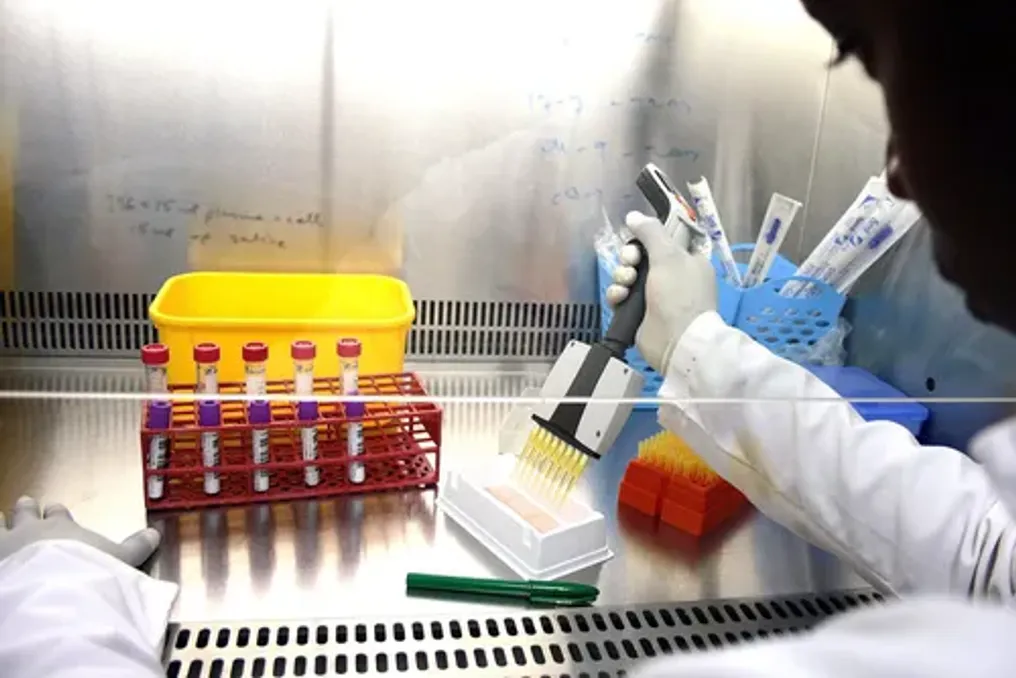
In Phase 1 clinical trials aimed at assessing the safety and efficacy of a new Ebola vaccine, the first dose was administered to a volunteer on Friday. This vaccine was rapidly developed and targets the Bundibugyo strain, which causes a deadly outbreak in the Democratic Republic of Congo, according to Oxford University.
According to the latest data from the World Health Organization, more than 1270 people have died out of nearly 3000 infected since the outbreak began in May in the DRC and Uganda. Researchers and medical organizations are urgently working to bring a vaccine or treatment for this relatively rare strain into human clinical trials.
Earlier this month, a team from Oxford University in the UK announced the start of the first trial of their ChAdOx1 BDBV vaccine, which uses the same technology as the AstraZeneca vaccine against Covid-19. The first dose was given to a 37-year-old volunteer named Ed Hunt in Oxford on Friday, an university representative told AFP.
David Pulido-Gomez from the Oxford Institute for Pandemic Sciences stated in a release: 'We moved this vaccine candidate from concept to clinic in just eight weeks.' He added that achieving this milestone in such a short time reflects exceptional collaborative efforts. The trial received funding from the Coalition for Epidemic Preparedness Innovations (CEPI), and the Serum Institute of India has already produced a supply of 620,000 doses.
The Phase 1 trial plans to assess the safety and efficacy of the vaccine in 50 healthy adults in the coming weeks, while researchers continue to recruit additional volunteers. Upon receiving regulatory approval, the team is preparing for further clinical trials of the vaccine with partners in Uganda, according to Oxford University. Other candidates for a Bundibugyo vaccine are being developed in parallel, and work is underway on two potential treatments.
The Ebola outbreak is the 17th in the history of the DRC, but only the third caused by the Bundibugyo strain, for which there are no approved vaccines or treatments. WHO Director-General Tedros Adhanom Ghebreyesus wrote on X late Thursday that 'the outbreak continues to outpace the response,' partly because contact tracing cannot cover every remote community.
He also warned that due to 'insecurity and active conflict continuing to restrict access to affected areas, the actual number of people sick with the disease could be more than double.' The outbreak remains concentrated in the mineral-rich and conflict-affected northeastern province of this vast country. Cases of Ebola, transmitted through close contact and infected bodily fluids, have also been detected in four other provinces of the DRC.