The exponential increase in Artificial Intelligence (AI) is generating strong demand for memory chips, which, according to General Motors (GM), will result in higher car prices. AI consumption in global memory production already reaches 32% and is projected to reach 48% by 2028.
Impact on Automotive Costs
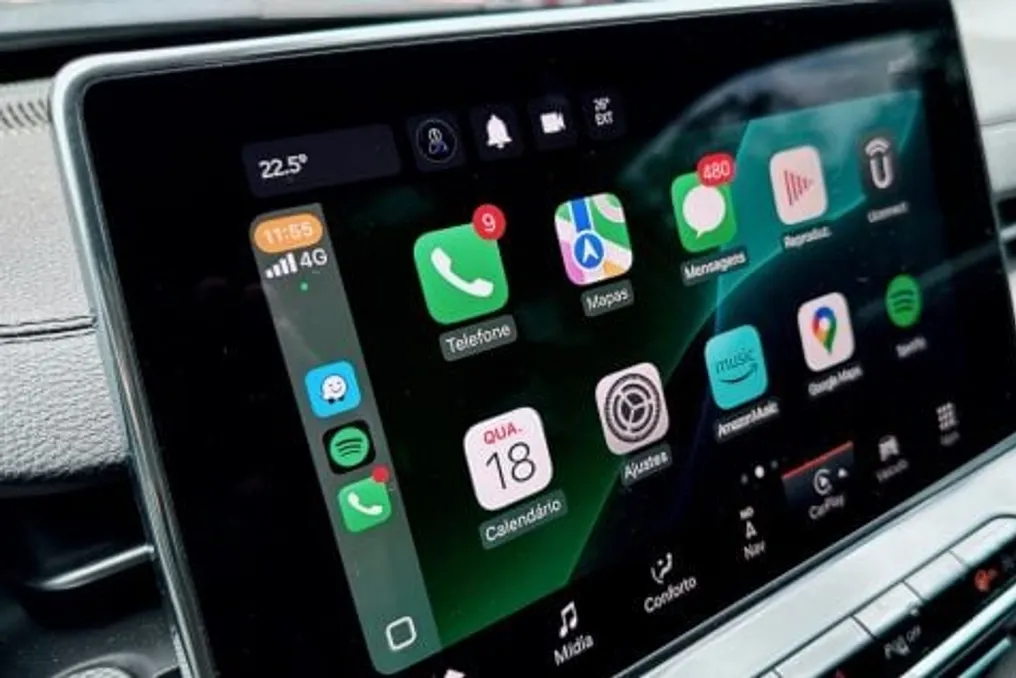
This increased demand pressures the prices of DRAM components, which are essential for temporary data storage. Currently, these components cost six times more than they did a year ago. Since all aspects of modern cars, from basic dashboard systems to advanced driving assistants, depend on this type of silicon, manufacturers feel the impact directly.
In conversation with Nikkei Asia, Paul Jacobson, GM's chief financial officer, stated that the automaker forecasts an increase in input costs between US$ 1.5 billion and US$ 2 billion this year. He emphasized that this figure does not yet account for import tariffs, and the cost pressure tends to intensify in the second half of the year.
Market Projections and Scarcity
The consultancy AlixPartners points out that the automotive industry uses approximately 10% of all globally produced DRAM. AI, as the main isolated consumer, is surpassing smartphones and computers in this segment. When data centers and AI consume half of world production, other sectors, including automakers, will have to bear the cost.
In addition to the price increase, there is a scarcity problem, as chip producers cannot meet the growing demand rate.
Automaker Strategies
Faced with this scenario, manufacturers are adopting preventive measures. GM and Ford, along with seven other parts suppliers such as Denso and Astemo, recently signed long-term supply agreements with Micron. Automakers are also seeking to stockpile DRAM before the scarcity expected next year.
GM has already adjusted its price estimate for North America, moving from an expectation of stability or a slight decrease of 0.3% to a projected average increase of 0.3% in the value of new vehicles this year. The company itself coined the term 'chipflation' to describe this inflationary phenomenon of chips.
Regional Differences in Cost
Chinese manufacturers feel the impact more acutely, as their advanced electrified vehicles use a greater quantity of chips compared to many Western options. The brokerage Huayuan Securities calculated that the memory cost in cars manufactured in China exceeded US$ 70 per unit in November 2025, while in Japanese models, this value was around US$ 30. Some Chinese brands have already begun passing on these costs, raising the price of optional driving assistance packages.