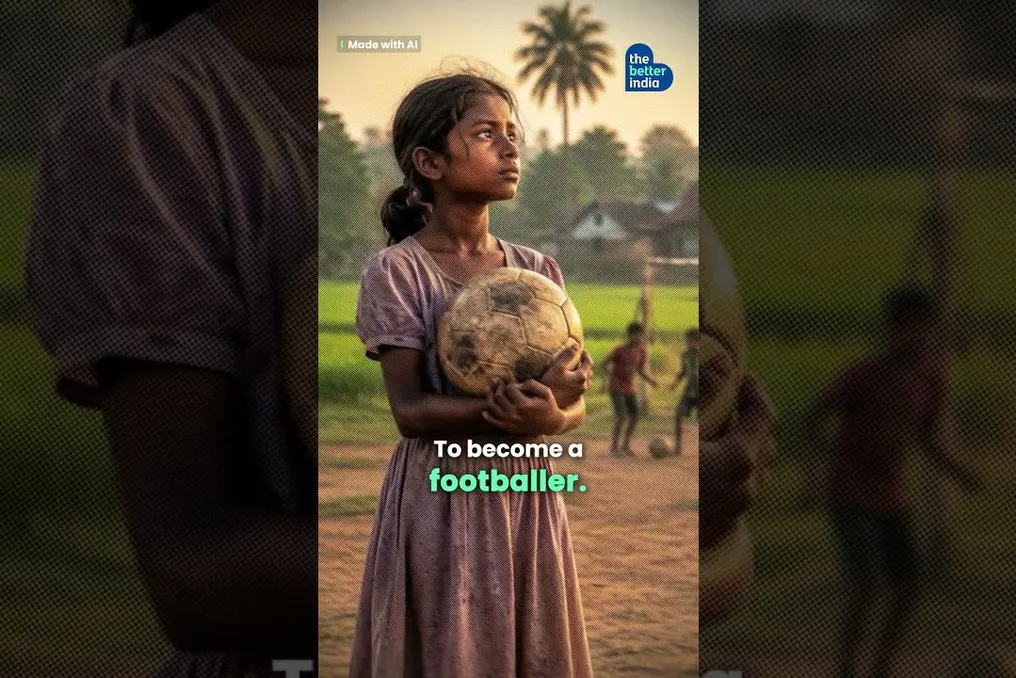
In rural areas of India, there is still a belief that girls should avoid playgrounds, especially if they dream of playing sports like cricket. For daughters from tribal communities, the chances can be even more difficult due to financial hardships and social expectations that often hinder their ambitions.
However, 22-year-old Kranti Gaur from Madhya Pradesh has demonstrated that talent, backed by determination and unwavering family support, can change these perceptions. Today, she has etched her name into cricket history as the first woman to appear in the prestigious Lord's match Hall of Fame.
The Journey from Village to Cricket
Kranti was born in Ghuwara, a predominantly tribal village in Madhya Pradesh, as the youngest of six children. Life changed drastically when her father, a police constable, was dismissed, plunging the family into severe financial difficulty. There were times when securing food became a problem, and Kranti eventually had to drop out of school.
Despite the difficulties, her parents supported her dream of playing cricket. Although many questioned why they were 'spending money on a girl,' they decided to invest in her future. At a local cricket academy, Kranti trained diligently, often in worn-out clothes and shoes. Her dedication soon caught the attention of coach Rajiv Biltare, who noticed her natural pace and helped her acquire proper gear, shoes, and sporting equipment, providing the necessary support to pursue her dream.
Historic Match and Achievements
Years of hard work culminated in a remarkable moment at the historic Lord's cricket ground in England. In only her second Test match, Kranti delivered a sensational spell of 5 wickets for 37 runs conceded, helping to dismiss England for 170 runs. This performance secured her place in the prestigious Lord's match Hall of Fame, making her the first woman to achieve this feat.
For Kranti, the historical achievement is only part of the dream. She hopes one day to buy a house for her family—the people who supported her when others did not. Beyond records and awards, however, she wishes every girl holding a cricket bat to believe that neither money nor background should determine how far she can go. Her journey proves that when a family chooses belief over fear, and someone is willing to nurture raw talent, even a girl from a small tribal village can find her place on one of cricket's greatest stages.