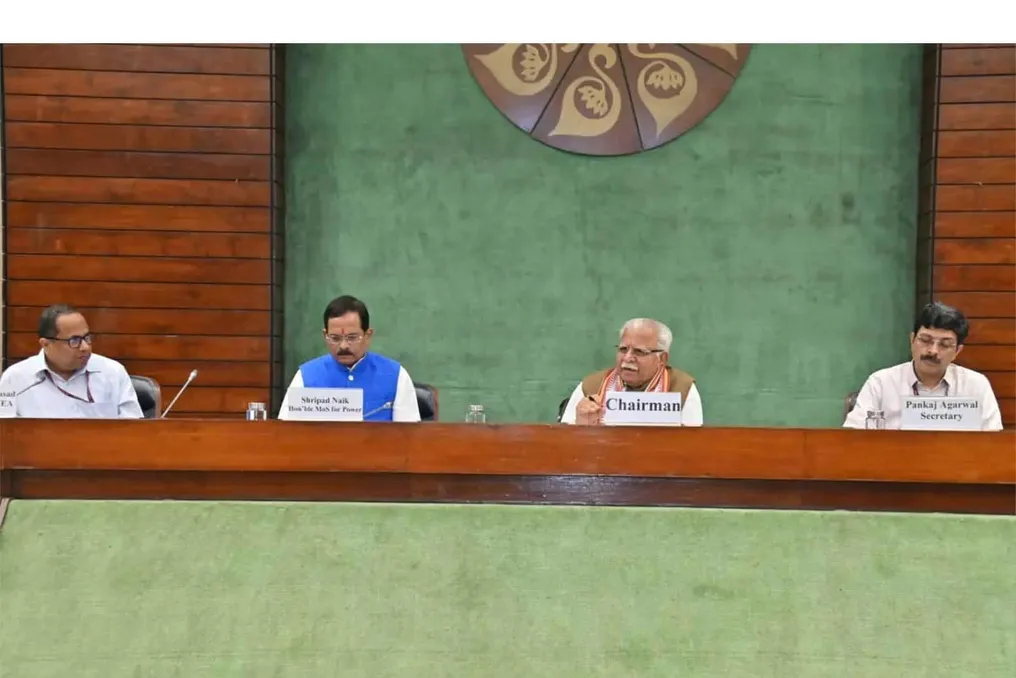
The Union Ministry of Energy's advisory committee held a meeting on Thursday to discuss a consumer-oriented licensing model for parallel distribution. This model would allow multiple electricity suppliers to use the same distribution network.
Goals of the Reform
The proposed reform aims to improve service quality, stimulate competition, prevent infrastructure duplication, and give consumers the ability to independently choose an electricity supplier.
The draft National Energy Policy-2026, which is currently under consultation and may soon be presented to the cabinet of ministers, also emphasizes the need to eliminate the monopoly in electricity distribution and introduce competition by allowing multiple market participants.
Problems with the Existing System
According to officials, the current legal framework permits more than one distribution licensee in one zone but requires each of them to create its own distribution network. This leads to infrastructure duplication, increased capital costs, reduced interest in new investments, and causes 'inefficient resource utilization.'
Example and Proposals
Mumbai is the only example where consumers have had the choice of a supplier for several years, while the distribution network develops in a coordinated manner under the supervision of the state electricity regulatory commission. Union Energy Minister Manohar Lal, emphasizing the consumer nature of the reform, stated that consumers will gain the freedom to choose a supplier, similar to what is available today in sectors such as telecommunications and aviation.
The Minister noted at the meeting that 'strengthening competition should contribute to improving consumer service, increasing reliability, greater levels of innovation, and operational efficiency, while ensuring optimal use of existing infrastructure and avoiding unnecessary expenses.'
Mechanism of the New System
The Ministry of Energy announced in a statement that members of parliament on the advisory committee made valuable suggestions regarding the proposed structure. According to this proposal, existing distribution licensees will retain the right to own, operate, and maintain their networks. New licensees will be able to use the existing network by paying regulated transit fees (wheeling charges), while retaining the option to develop their own network where permitted by the relevant state electricity regulatory commission.