In the pursuit of making the fashion industry more ecological, manufacturers are searching for cleaner methods to replace one of the most energy-intensive and depleting stages of the textile supply chain—the process of fabric dyeing. Although every piece of clothing starts with fiber, its color is often achieved at a great cost to the environment.
The Problem with Traditional Dyeing
Conventional textile dyeing requires a massive amount of water, heavily relies on synthetic dyes based on petrochemical products, and generates about 20% of all industrial wastewater globally. Oxman, a design and technology company based in New York, offers a solution to this problem through an experimental project that asks: 'what if fabrics could create their own color?'
The 'Vigils' Project and Biological Dyeing
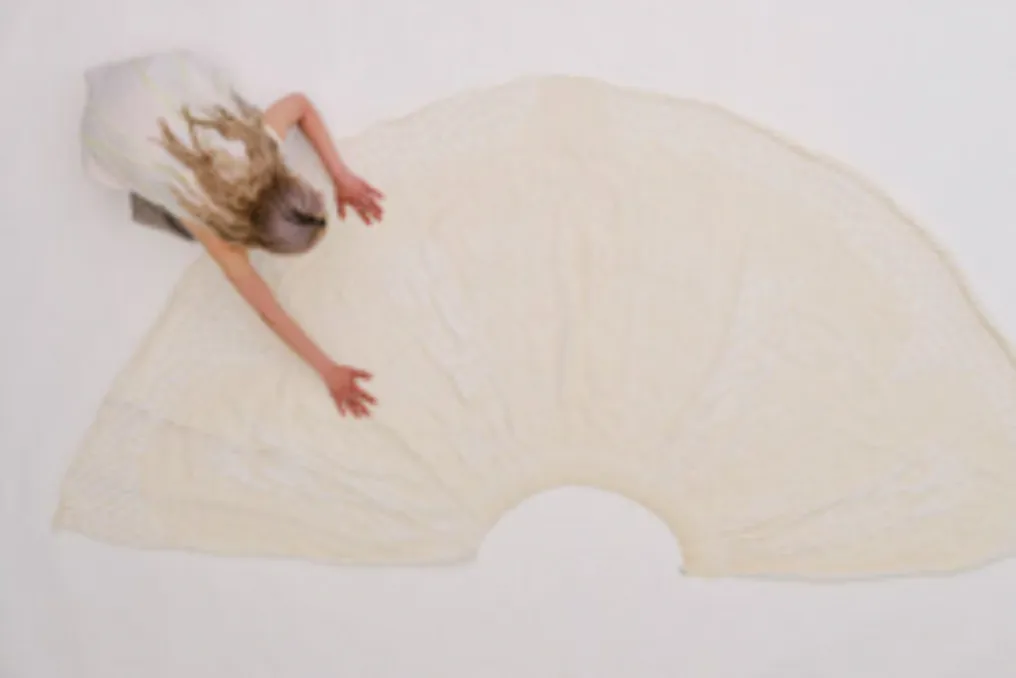
Oxman's project, named 'Vigils,' investigates replacing traditional dyeing with living, pigment-producing bacteria. Instead of applying color after the textile is manufactured, the bacteria are cultivated directly onto knitted fabrics, where they produce natural pigments as they grow. Color ceases to be a surface coating and becomes an integral part of the material itself.
This approach draws inspiration from biological systems where color arises from growth rather than production. Nature creates color through living processes, whether it is the wings of butterflies, flower petals, berries, or animal markings. Oxman applies this principle to textiles, viewing microorganisms as co-creators in the design process.
Philosophy and the Future of Production
This method reflects the evolving philosophy of Neri Oxman, known as Nature-Centric Design, according to which living systems actively participate in production, rather than merely serving as a source of inspiration. The 'Vigils' project remains experimental, yet it points toward a possible future where biology can replace some of the most resource-intensive processes in fashion. By integrating color production into the material's growth, the project eliminates the need for separate dye baths and suggests textile systems that integrate more harmoniously into natural cycles. The goal is to reimagine production itself as a regenerative, living system, where the most sustainable palette can be created by nature's smallest collaborators.